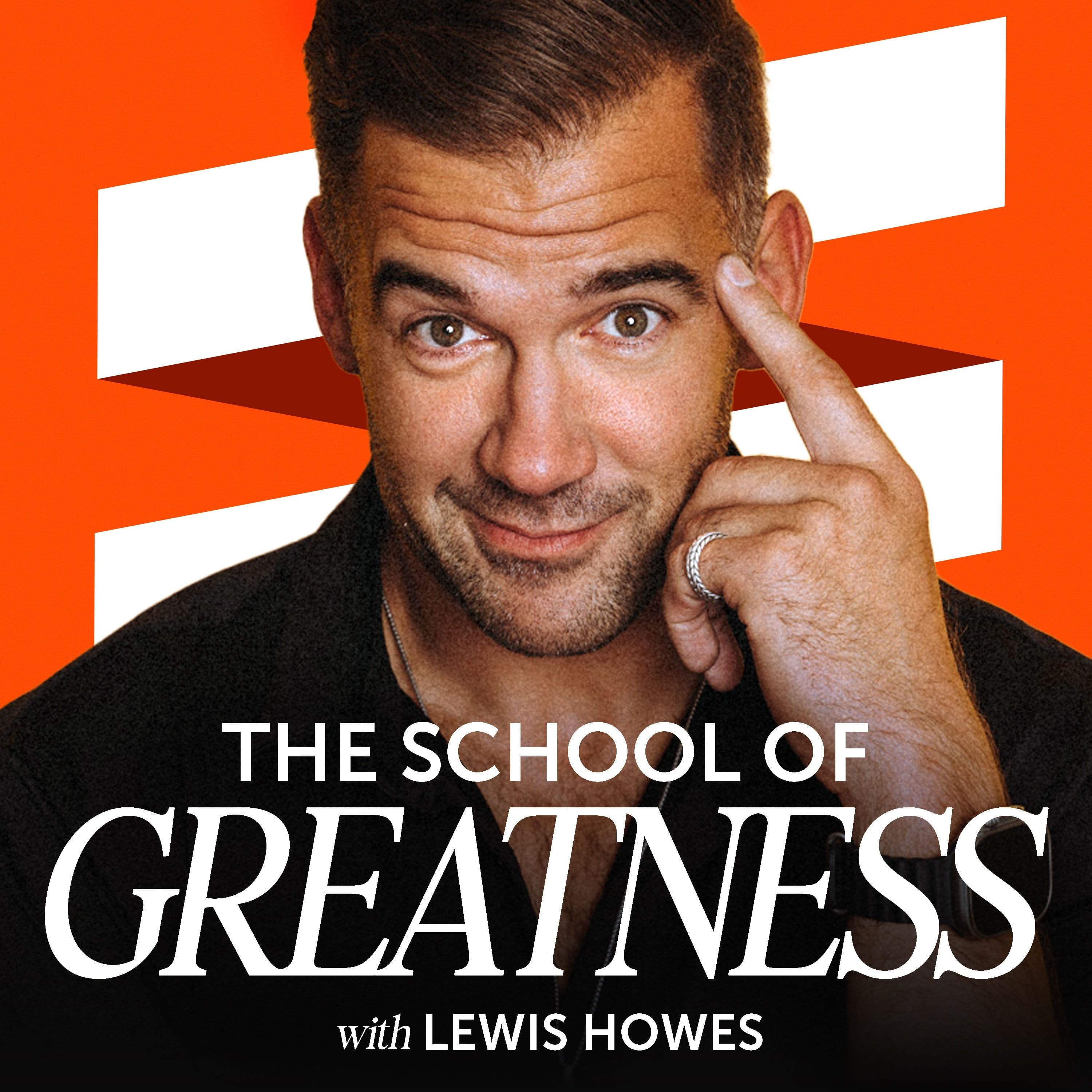
Andrew Huberman: The #1 Reason Why Faith-Based Practices Matter When It Comes To Your Mental Health
Timestamps are as accurate as they can be but may be slightly off. We encourage you to listen to the full context.
Podcast Summary
This episode of the Summit of Greatness features renowned neuroscientist Dr. Andrew Huberman sharing science-backed strategies for improving brain function, emotional regulation, and overall wellbeing. The conversation begins with an unexpected deep dive into the neuroscience behind prayer and faith-based practices, revealing how these activities provide measurable health benefits including reduced cardiovascular disease and improved recovery from grief and addiction. (00:34) Dr. Huberman emphasizes that simply believing in a higher power isn't sufficient - it's the active engagement in faith-based practices that yields results.
- Core themes include the science of neuroplasticity, the importance of curiosity over cynicism, practical protocols for optimizing cortisol rhythms, and innovative approaches to learning and brain change through self-guided "activations"
Speakers
Dr. Andrew Huberman
Dr. Andrew Huberman is a renowned neuroscientist and professor at Stanford University who has become one of the most influential science communicators in the world. He hosts the massively popular Huberman Lab podcast and has dedicated his career to studying neuroplasticity, brain development, and human optimization. At age 50, he continues to be a practicing researcher while translating complex neuroscience into actionable protocols for peak performance and wellbeing.
Lewis Howes
Lewis Howes is the host of The School of Greatness podcast and founder of the Summit of Greatness conference. As a former professional athlete turned entrepreneur and author, he focuses on helping high achievers optimize their performance and find fulfillment. He is expecting twins and has been applying performance optimization strategies for over two decades.
Key Takeaways
Faith-Based Practices Provide Measurable Health Benefits
Research by Dr. David Disteno at Northeastern University shows that engaging in active faith-based practices - not just believing in a higher power - yields significant health benefits including reduced cardiovascular disease, faster recovery from grief and addiction, and improved overall wellbeing. (00:20) The key distinction is between passive belief and active practice. Dr. Huberman emphasizes that these benefits come from practices that "get your mind outside itself" and acknowledge something greater than oneself, whether through prayer, communal worship, or other faith-based activities.
Curiosity Is the Gateway to Neuroplasticity While Cynicism Destroys It
Cynicism is fundamentally anchored in the belief that things cannot change, making it the enemy of brain plasticity and personal growth. (13:28) In contrast, curiosity - defined as genuine interest in what might be possible coupled with the willingness to do the work to find out - is directly linked to neuroplasticity. Dr. Huberman points to great learners like Richard Feynman and Oliver Sacks who maintained curiosity about diverse subjects throughout their lives. The practical application is actively asking questions of yourself and remaining open to change rather than dismissing possibilities.
Errors and Friction Are Essential Signals for Learning
The most counterintuitive aspect of neuroplasticity is that the difficulty and errors experienced during learning are actually the signals that trigger brain change. (20:18) Recent neuroscience research shows that dopamine is released in response to errors made while trying to learn, which alerts the brain to opportunities for change. This means that frustration and struggle during the learning process should be embraced as prerequisites for growth rather than avoided. The key is maintaining alertness and focus while engaging with challenging material, understanding that the friction itself is what drives adaptation.
Self-Testing Prevents Forgetting More Effectively Than Repetition
Revolutionary research in learning science demonstrates that reading material once followed by self-testing leads to significantly better retention after 3-6 months compared to reading the same material four times. (29:47) This principle, called "anti-forgetting," works because reflection on what was learned - including acknowledging what wasn't retained - locks information into long-term memory. Dr. Huberman emphasizes that this applies to all types of learning, from academic material to physical skills to relationship interactions. The practical application is creating deliberate reflection periods after learning sessions to test recall and identify gaps.
Cortisol Rhythm Optimization Is the Master Framework
Rather than viewing cortisol as simply a "stress hormone," understanding its natural rhythm provides a master framework for organizing daily protocols. (47:19) Cortisol should be high in the first hour after waking and low at night, regardless of your specific wake time. Morning cortisol can be amplified through bright light exposure, exercise, caffeine (for regular users), and even grapefruit consumption. This high morning peak ensures a low evening trough, making it easier to fall asleep and stay asleep. Most protocols for optimization naturally fall into supporting this rhythm.
Statistics & Facts
- 85% of the vagus nerve pathway is sensory, carrying information from the body up to the brain, while only about 20% carries motor information downward to control bodily functions. (39:58) This demonstrates that the brain is constantly receiving status updates from the body about physical and emotional states.
- For men, the myelination process - the development of tissue that allows fast transmission between neurons - doesn't complete until age 50. (19:25) This finding explains why cognitive development and decision-making continue to mature well into middle age.
- Reading material once and self-testing later results in significantly better retention after 3-6 months compared to reading the same material four times. (29:47) This counterintuitive finding revolutionizes how we should approach learning and skill development.



