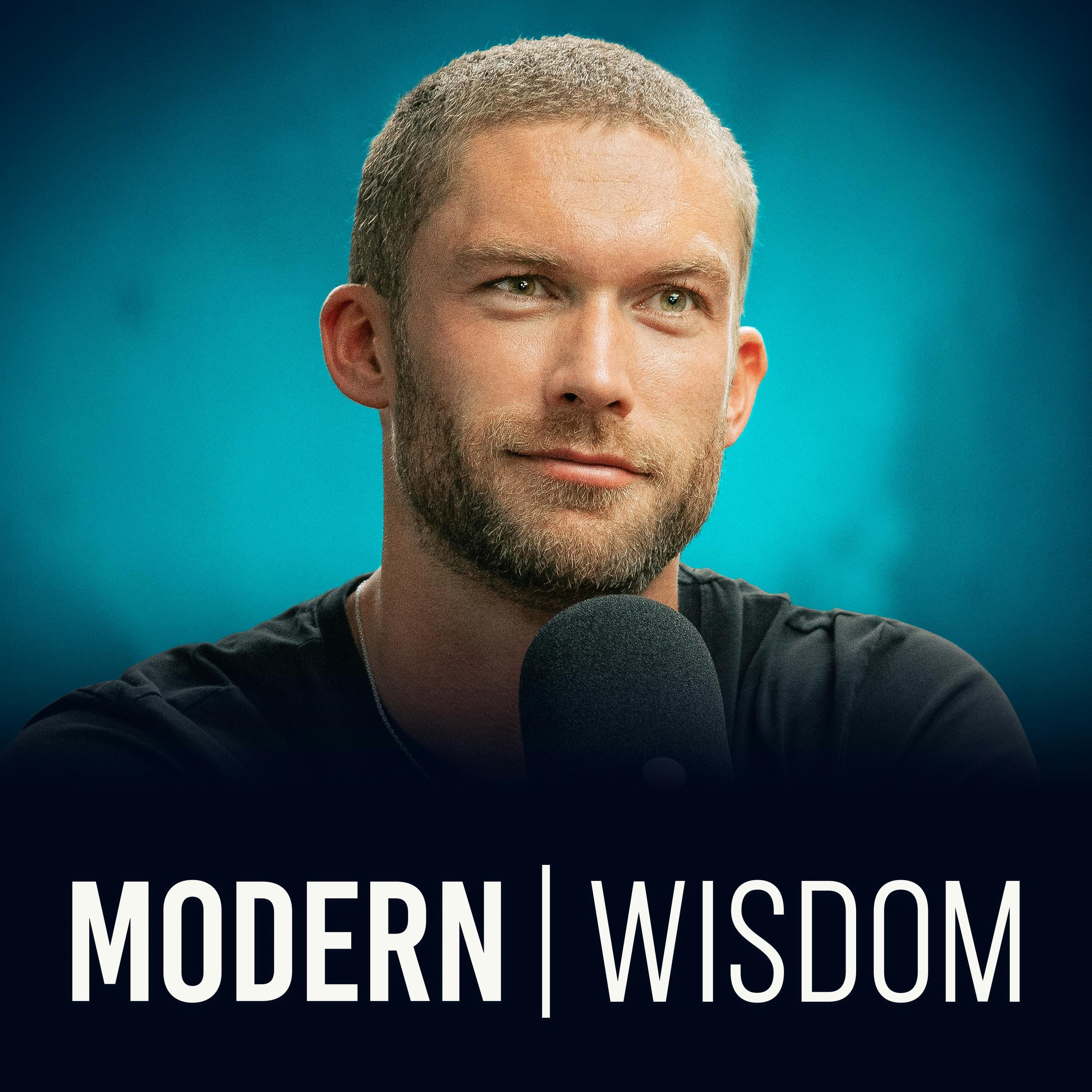
#1043 - Arthur Brooks - 14 Habits for an Optimised Morning & Evening Routine
Timestamps are as accurate as they can be but may be slightly off. We encourage you to listen to the full context.
Podcast Summary
In this engaging episode, Chris Williamx sits down with Harvard professor and social scientist Arthur Brooks for a deep dive into the science of happiness and well-being. Brooks, author and co-author with Oprah Winfrey, shares evidence-based insights on everything from understanding your emotional temperament to designing optimal morning and evening routines. (03:03)
- Core themes include the biological nature of psychology, the four emotional temperaments (mad scientist, cheerleader, judge, poet), and practical strategies for managing both happiness and unhappiness through structured daily protocols.
Speakers
Arthur Brooks
Arthur Brooks is a social scientist, professor at Harvard University, and prolific author who specializes in the intersection of behavioral science and human flourishing. He co-authored a book with Oprah Winfrey and teaches at Harvard Business School, where he helps future business leaders understand the science behind happiness and success.
Chris Williamx
Chris Williamx hosts the Modern Wisdom podcast, which ranked 8th globally on Spotify in 2025. He's a former club promoter turned entrepreneur who has built one of the world's most successful podcasts focused on psychology, productivity, and human optimization.
Key Takeaways
Understanding Your Emotional Temperament Changes Everything
Brooks reveals that 25% of the population has both high positive and high negative emotions - dubbed "mad scientists." This group includes many podcasters and entrepreneurs who experience intense feelings on both ends of the spectrum. (04:03) Understanding your temperament helps you know whether to focus on managing unhappiness (for high-negative-affect people) or boosting happiness (for low-positive-affect people). This isn't about eliminating emotions but learning to work with your natural wiring rather than against it.
The Success Addiction Trap Starts in Childhood
Brooks explains how successful people often develop a pathological relationship with achievement because they learned as children that love is earned through performance. (16:36) When children only receive attention and affection for accomplishments like good grades or making the team, they wire their brains to believe they must be special to be loved. This creates a literal dopamine dependency on winning and external validation that can become destructive in adulthood, leading to workaholism and an inability to find satisfaction in ordinary moments of life.
Suffering Is Your Greatest Teacher - Don't Avoid It
The most important insights about life's meaning come from our worst times, not our best ones. Brooks emphasizes that nobody ever said "I really figured out what I was made of that week at the beach in Ibiza." (51:11) Instead, people discover their true character and purpose during loss, illness, failure, or fear. A culture that tries to eliminate pain through therapy or medication also eliminates meaning. The goal isn't to avoid suffering but to understand it and let it teach you about your resilience and values.
Optimize Your Brain Chemistry With Strategic Timing
Brooks advocates getting up before dawn (the "Brahma Mahurta" or creator's time), doing substantial physical exercise, and delaying caffeine until after spiritual/meditative practices. (60:05) This sequence optimizes both well-being and productivity by aligning your adrenal system first, then applying psychostimulants when your brain is ready to focus rather than just wake up. The key is using caffeine for concentration, not consciousness, which prevents afternoon crashes and improves sleep quality.
Relationships Require Intentional Connection Protocols
Brooks shares that going to bed early with your partner - but not immediately sleeping - can save most marriages. (82:04) Spend 5-10 minutes making eye contact while holding hands and having real conversation. Women need more eye contact than men (they can produce three times as much oxytocin), while men need more physical touch. The practice of "always be touching" and "never stop looking at each other when talking" can transform relationship satisfaction through simple biochemical interventions.
Statistics & Facts
- 25% of the population has both above-average positive and above-average negative emotions, creating four distinct emotional temperaments. (04:03)
- CEOs have more alcohol problems than unemployed people, according to OECD data showing highly successful, educated, high earners struggle more with alcohol than those on the lower end of the spectrum. (08:28)
- Taking acetaminophen (Tylenol) can reduce heartbreak by about one-third in college students going through bad breakups, as it works on the affective component of pain rather than just physical inflammation. (92:15)



