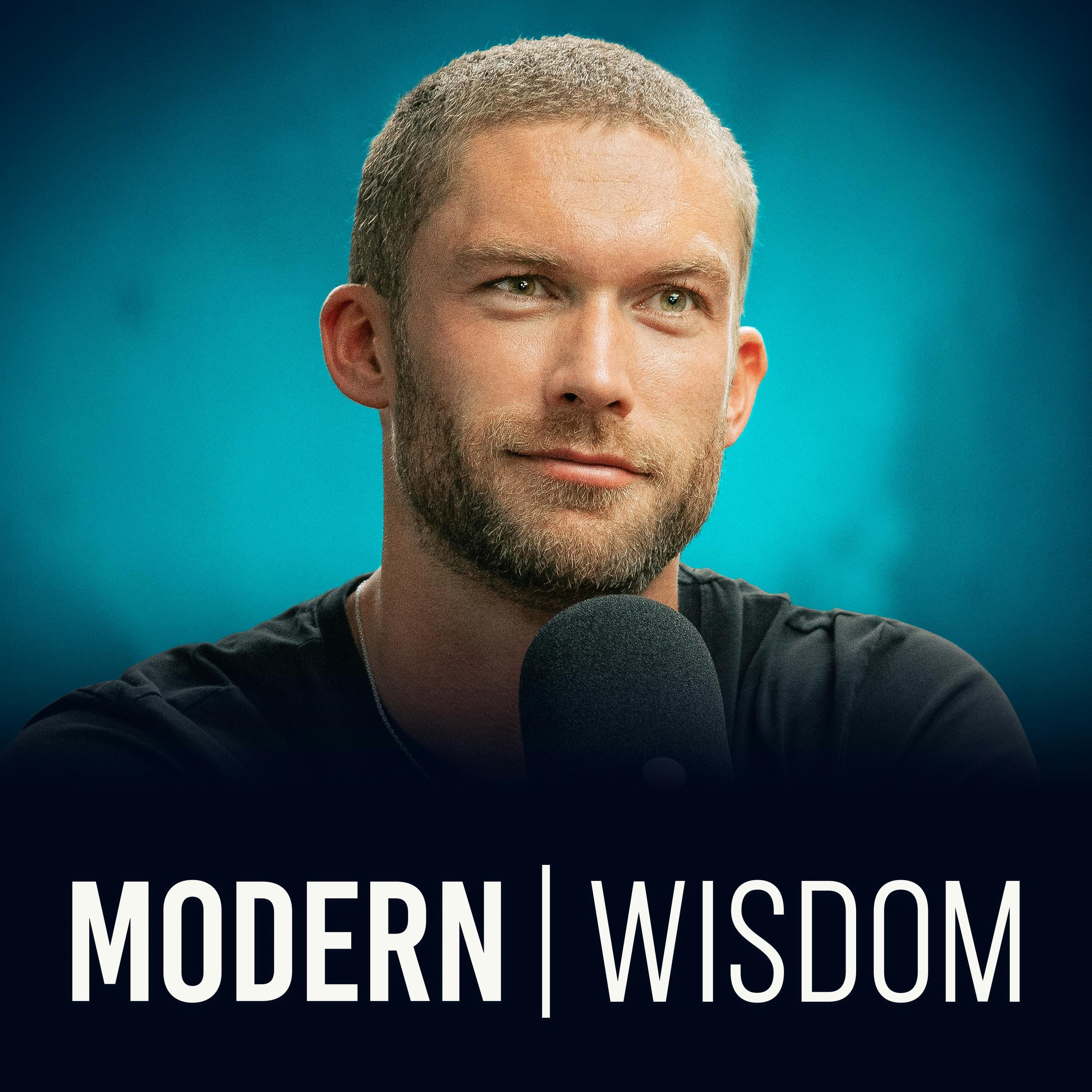
#1042 - Dr Andrew Huberman - How to Reclaim Your Brain in 2026
Timestamps are as accurate as they can be but may be slightly off. We encourage you to listen to the full context.
Podcast Summary
In this comprehensive 3+ hour episode, Dr. Andrew Huberman joins Chris Williamson to explore cutting-edge neuroscience and practical health strategies. The conversation spans from the misunderstood benefits of cortisol and morning sunlight to the science of habit formation, sleep optimization, and the profound relationship between spirituality and personal development. (00:00)
- Core Focus: Practical neuroscience protocols for optimizing cortisol rhythms, sleep quality, habit formation, and overall well-being, with an emphasis on understanding mechanisms to enable flexible application of health strategies.
Speakers
Dr. Andrew Huberman
Dr. Andrew Huberman is a neuroscientist and Associate Professor at the Stanford University School of Medicine, as well as host of the popular Huberman Lab podcast. He's dedicated his career to translating complex neuroscience research into actionable protocols for improving human health and performance, with particular expertise in circadian rhythms, stress physiology, and neuroplasticity.
Chris Williamson
Chris Williamson is the host of Modern Wisdom, one of the world's fastest-growing podcasts. A former nightclub promoter turned entrepreneur and content creator, Chris brings a unique perspective to conversations about human optimization, combining academic rigor with real-world experience and an ability to make complex topics accessible to millions of listeners.
Key Takeaways
Master Your Cortisol Curve for Peak Performance
Most people think cortisol is inherently bad, but Huberman reveals it's actually essential for optimal functioning. The key is timing - you want high cortisol in the morning and low cortisol at night. (01:54) During the first hour after waking, viewing bright light can increase your morning cortisol spike by up to 50%, setting you up for sustained energy and better sleep later. This isn't about avoiding stress - it's about strategically timing it to work with your biology rather than against it.
Combat Burnout Through Strategic Rest, Not Just More Sleep
Huberman identifies two primary forms of burnout: the "wired but tired" state where you're exhausted in the morning but can't sleep at night, and the constant high-stress state where cortisol remains elevated throughout the day. (09:25) The solution isn't just more sleep - it's about creating stark contrasts between your active and rest periods. Treat the first 3-6 hours as "go time" with bright light, hydration, and movement, then do the exact opposite in your final 2-4 hours with dim lights, limited hydration, and calming activities.
Use Eye Movements to Hack Your Sleep
Huberman shares a powerful but little-known technique for falling asleep faster: controlled eye movements with closed eyes. (28:49) Move your eyes slowly from side to side, then in counterclockwise and clockwise circles, then up and down, finishing with a gentle cross-eyed attempt while exhaling. This works because falling asleep requires forgetting about your body position, and these movements help transition your vestibular system from active awareness to passive rest.
Eliminate Distractions Before They Start
Focus isn't just about what you do during work - it's heavily influenced by what you do before work. (53:16) Thoughts are built by layering sensory memories on top of each other, so excessive sensory input before focused work creates competing thought streams. Huberman advocates for "boring breaks" and limiting sensory stimulation in the 10-15 minutes before important work to allow your brain to enter what he calls "attractor states" - deep valleys of focus that become self-sustaining once established.
Leverage Belief Systems for Effortless Behavior Change
The most difficult personal changes become easier when you stop trying to do them through willpower alone. (75:15) Huberman explains how spiritual practices and belief in higher power create relief from the constant top-down control required for breaking bad habits. This isn't just psychological - it appears to be a unique human capacity to hand over behavioral control to something greater than ourselves, making previously impossible changes feel natural and sustainable rather than forced.
Statistics & Facts
- Viewing bright light in the first hour after waking can increase your morning cortisol spike by up to 50%, setting up optimal energy and sleep rhythms for the entire day. (03:01)
- Methamphetamine increases dopamine levels by approximately 1000-fold compared to natural activities, while cocaine increases it by roughly 200-fold, explaining why these substances are so addictive and damaging to natural reward systems. (89:01)
- People who sleep in rooms with overhead lighting as dim as 100 lux show abnormally elevated morning glucose levels through closed eyelids, demonstrating how even minimal light exposure during sleep can disrupt metabolic function. (12:04)



