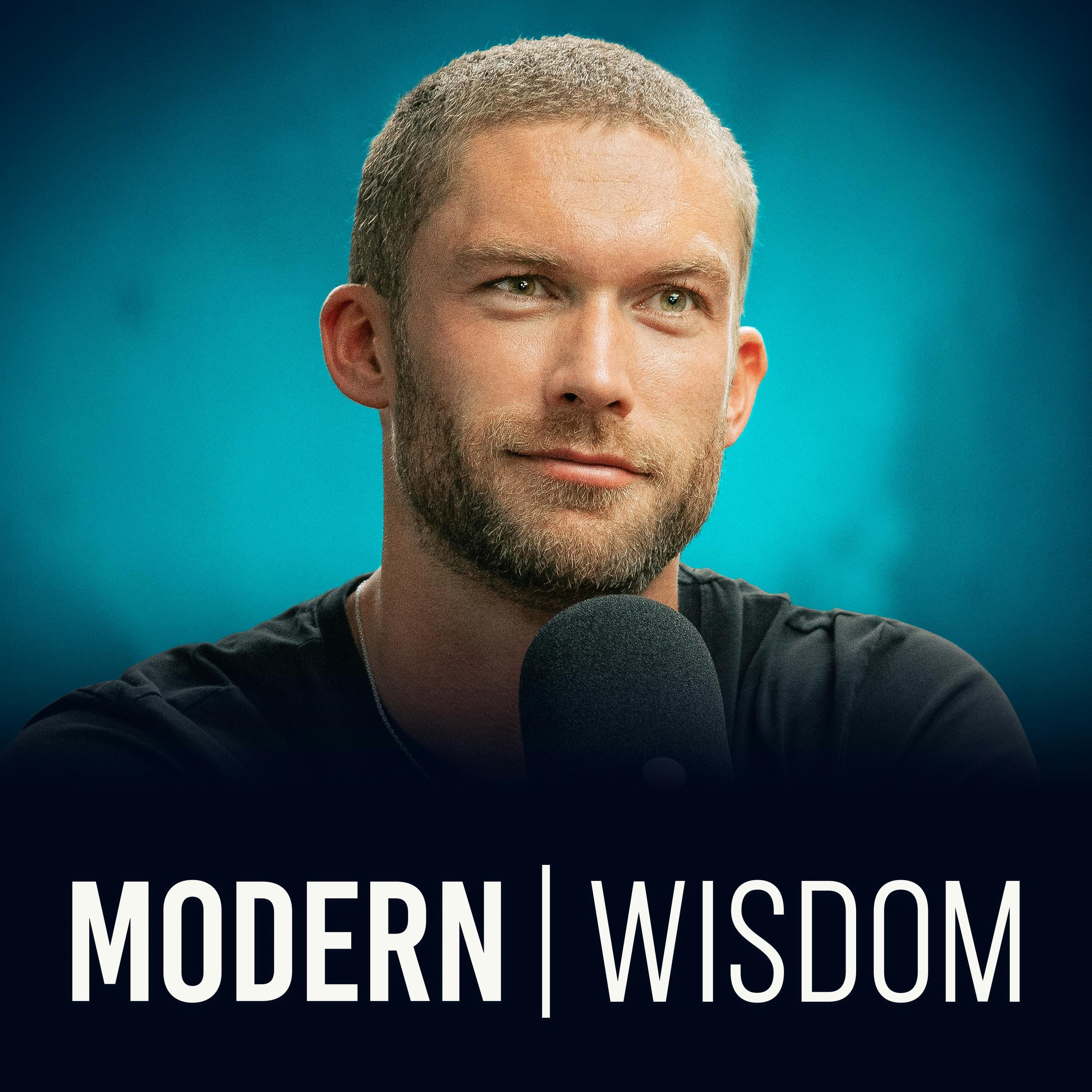
#1006 - Chris Bumstead - Life After Olympia: Fatherhood, TRT & Finding Purpose
Timestamps are as accurate as they can be but may be slightly off. We encourage you to listen to the full context.
Podcast Summary
Chris Bumstead opens up about the emotional and psychological challenges of retirement from competitive bodybuilding after winning his sixth Mr. Olympia title. The conversation explores the unexpected difficulties of stepping away from a decade-long singular focus, the process of rediscovering identity beyond athletic achievement, and the journey toward finding fulfillment in family life and personal relationships. (01:06)
- Core themes: Identity transformation after elite athletic retirement, the hidden costs of relentless achievement, and discovering sustainable sources of self-worth through relationships and authentic living
Speakers
Chris Bumstead
Six-time Mr. Olympia Classic Physique champion who retired at age 30 at the peak of his career. Known for his mindful approach to bodybuilding and openness about mental health, Bumstead has built a significant social media following while advocating for sustainable training practices and the importance of family relationships. He's married to Courtney and is a father, currently transitioning from competitive bodybuilding to focus on business ventures and personal development.
Chris Williamson
Host of the Modern Wisdom podcast, one of the top-rated podcasts globally. Williamson is known for conducting deep, philosophical conversations with high-performers across various fields, focusing on personal development, psychology, and human optimization. His interviewing style combines intellectual rigor with genuine curiosity about the human experience.
Key Takeaways
The Hidden Hypervigilance of High Performance
Bumstead reveals that years of competing created a state of constant hypervigilance that was masked by the momentum and success of competition. (04:07) This state meant he was always "on," constantly stress-aware even when not consciously feeling stressed. The practical capabilities of understanding emotion were strong, but the ability to actually express and feel through emotions was underdeveloped. Only after retiring and slowing down could he recognize how tired his nervous system truly was, evidenced by his historically poor HRV scores averaging just 29.
Progress Addiction as Identity Protection
The need to constantly improve and make progress can become a sophisticated form of self-protection. (07:11) Bumstead discovered he had an addiction to progress - constantly needing to improve something to feel worthy. This allowed him to project that "tomorrow will be better," making today's inadequacies tolerable. When that forward momentum stops, you're forced to find self-worth from present-moment authenticity rather than future potential, which requires developing entirely different psychological muscles.
Goals Must Be Free Choices, Not Survival Mechanisms
The difference between healthy and unhealthy goal pursuit lies in whether you're choosing to pursue something or feel you have to in order to be good enough. (09:10) When self-worth becomes attached to achieving a goal, it's no longer a free choice but a survival mechanism. This creates intense tension and pressure that ultimately drains rather than energizes. Bumstead realized he had unconsciously tied his identity to bodybuilding success, making what started as love for the sport into a psychological prison.
Relationships as the Ultimate Identity Hedge
Having people in your life who love you regardless of your external achievements provides the ultimate psychological safety net. (46:28) Bumstead describes his wife and daughter as not caring whether he wins or loses competitions - they see him the same way regardless. This "cheat code for life" allows you to take bigger risks, make authentic decisions, and weather failures because your core sense of being loved and valued isn't dependent on performance outcomes.
Structure Provides Freedom, Not Restriction
Contrary to common belief, disciplined structure in daily habits creates more freedom and mental bandwidth for what matters most. (37:37) When Bumstead stopped his structured eating, training, and sleeping routines after retirement, he felt worse rather than liberated. Returning to structured workouts, meal timing, and consistent sleep gave him more energy and mental clarity for family time and personal growth. Discipline in the fundamentals creates space for spontaneity and presence in relationships.
Statistics & Facts
- Bumstead's heart rate variability (HRV) averaged just 29 during his competitive years, indicating chronic stress on his nervous system. (04:28) This extremely low score reflects the hidden physiological cost of maintaining peak performance under constant pressure.
- When Bumstead stopped training for three months due to shoulder surgery, he lost approximately 25 pounds of muscle mass. (73:55) However, he notes that muscle memory allowed for relatively quick recovery once he resumed training.
- Historically, about 40% of men reproduced compared to 80% of women ancestrally, meaning men had to compete more intensely for reproductive success. (101:10) This evolutionary context helps explain why men may feel more disposable and need to "earn" their worth through achievement.



