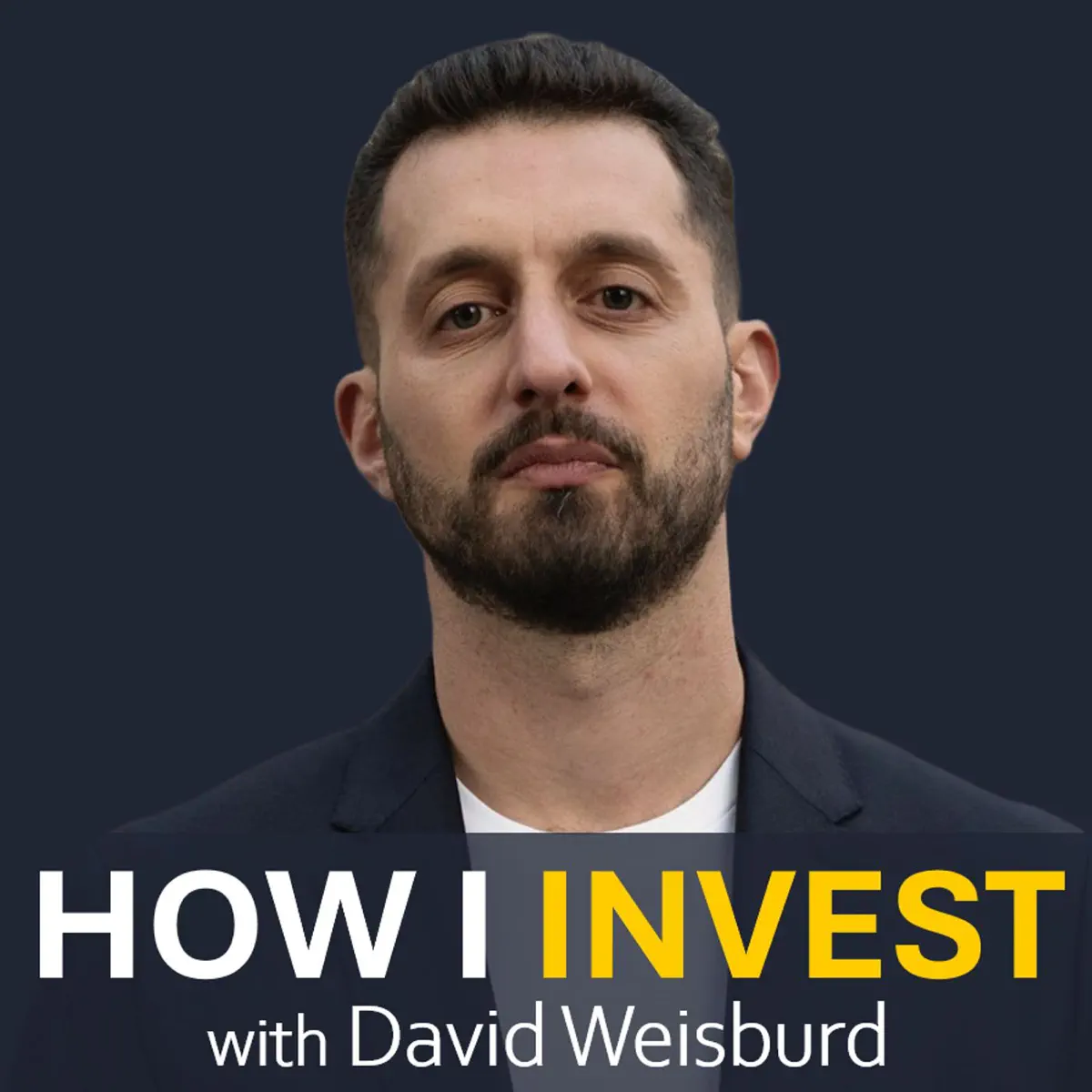
E232: The CIO of Hunter Point Explains the New Era of GP Stakes Investing
Timestamps are as accurate as they can be but may be slightly off. We encourage you to listen to the full context.
Podcast Summary
This episode features Melvin Hibberd, Chief Investment Officer of Hunter Point Capital, sharing insights on how his firm is transforming GP stakes investing through proprietary deal sourcing, strategic partnerships, and long-term alignment. Hibberd discusses his journey from pioneering GP stakes at Blackstone Strategic Partners to launching Hunter Point in 2024, explaining how they avoid auction dynamics that can distort relationships between investors and GPs. (01:37) The conversation covers Hunter Point's differentiated approach to building trust through bilateral partnerships rather than competitive processes, their focus on mid-market alpha generators, and how they provide strategic value beyond capital through procurement savings, capital formation support, and business building advice.
- Main Theme: How Hunter Point Capital is redefining GP stakes investing by prioritizing strategic partnerships over transactional relationships, avoiding auction dynamics, and creating long-term value through proprietary deal sourcing and comprehensive strategic support.
Speakers
Melvin Hibberd
Melvin Hibberd is the Chief Investment Officer of Hunter Point Capital, which officially started in the market in 2024. He is a pioneer in the GP stakes space, having worked at Blackstone Strategic Partners since 2014 where he helped build one of the first major GP stakes platforms. A Harvard Business School graduate (2011), Hibberd has nearly a decade of experience in GP stakes investing and is recognized as one of the original practitioners in this evolving asset class.
Key Takeaways
Avoid Auction Dynamics to Build True Partnerships
Hibberd emphasizes that auction processes focus primarily on price maximization rather than building sustainable partnerships. (03:16) When GPs enter auction dynamics, they miss the opportunity to discuss shared future vision, alignment structures, and how to build something together long-term. Hunter Point deliberately avoids auctions because they distort the relationship-building process that's essential for successful GP stakes partnerships. In bilateral settings, what appears as a price gap becomes a structuring puzzle that both parties can solve collaboratively, leading to better alignment and stronger partnerships from day one.
Leverage Structural Creativity for Win-Win Solutions
Rather than competing solely on price, successful GP stakes require creative structuring across multiple variables. (07:50) Hibberd explains that it's operationally impossible to negotiate five or six different structural levers across 20 different buyers in an auction. Hunter Point uses tools like attachment mixes (adjusting management fee versus carry exposure), minimum yield features, risk-sharing mechanics, and different attachments between core and new business lines. This approach allows both parties to suit their preferences while establishing proper alignment for long-term success rather than short-term deal optimization.
Build Proprietary Deal Flow Through Value Creation
Hunter Point's competitive advantage comes from originating deals outside competitive processes, with 80-90% of their transactions being proprietary. (04:54) This is achieved by demonstrating tangible value creation to existing portfolio companies, which creates a flywheel effect. For example, their procurement platform delivers approximately $63 million in annualized savings across 59 programs, directly benefiting LPs in underlying GP portfolios. (29:59) Success with existing partners generates credible references and attracts high-quality GPs who value substance over just capital, creating sustainable competitive differentiation.
Practice Strategic Patience Over Speed
One of Hibberd's most important lessons was learning that relationships in GP stakes don't operate on your timeline and develop at their own pace. (44:45) Some of Hunter Point's best partnerships started as casual conversations a year before any transaction was considered. (45:58) He learned that "you can't just will trust or success into existence. You kind of have to earn it, kind of have to keep showing up, kind of have to let credibility build over time." Patience in this context isn't passivity—it's strategic commitment that leads to better partnerships and investment outcomes.
Focus on Alpha Generators in the Mid-Market
Hibberd identifies two parallel tracks in the market evolution: large global "beta generators" that provide broad exposure and institutional access, and mid-market "alpha generators" (typically $20-50 billion AUM) that compound from category-defining edges while preserving focus and culture. (25:29) Hunter Point focuses on supporting these sector specialists by providing tools and capabilities they might not otherwise access. This strategy allows them to target firms with high ceilings while avoiding the commoditized competition for mega-fund relationships, creating opportunities for meaningful partnership and value creation.
Statistics & Facts
- Hunter Point's procurement platform delivers approximately $63 million in annualized savings through 59 individual programs across their portfolio companies. (29:59) This directly benefits LPs in the underlying GP portfolios by improving net returns.
- Hunter Point typically targets ownership stakes between 15% and below 25%, ensuring they remain a relevant and important partner while keeping the majority of equity and value with the GP team. (04:04)
- 80-90% of the GP stakes market is still intermediated by a relatively small set of investment banks, but Hunter Point has successfully originated the vast majority of their deals outside competitive auction processes. (15:53)