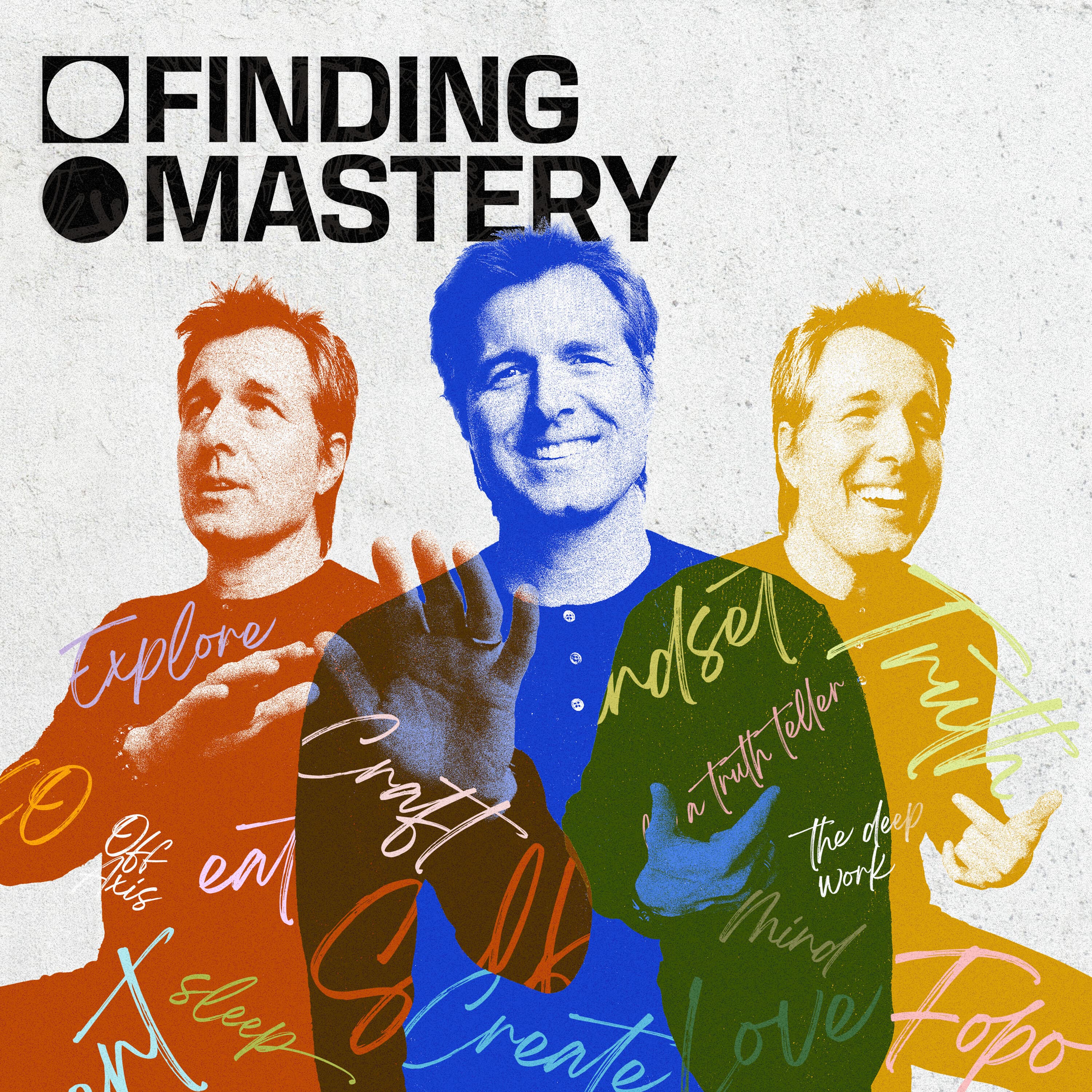
This Is Why You’re Tired, Stressed, and Not Healing | Biohacker, Dave Asprey
Timestamps are as accurate as they can be but may be slightly off. We encourage you to listen to the full context.
Podcast Summary
In this thought-provoking episode of Finding Mastery, Dr. Michael Gervais sits down with biohacking pioneer Dave Asprey for a nuanced exploration of performance, recovery, and living with vitality. Dave, who transformed from a 300-pound, chronically fatigued entrepreneur to the father of modern biohacking, shares profound insights on emotional regulation, mitochondrial health, and longevity practices. (04:06)
- Core themes include the intersection of biology and consciousness, efficient paths to transformation through neurofeedback technology, and the philosophy behind sustainable performance optimization versus the "hustle hard" mentality
Speakers
Dave Asprey
Dave Asprey is an entrepreneur, four-time New York Times bestselling author, and widely regarded as the father of the modern biohacking movement. He founded Bulletproof and Upgrade Labs, transforming from a 300-pound, cognitively impaired executive to a leader in the $36 billion biohacking industry. He has spent 25 years studying consciousness technologies including neurofeedback, and has undergone extensive training in shamanic practices and Buddhist meditation.
Dr. Michael Gervais
Dr. Michael Gervais is a high performance psychologist, founder of Finding Mastery, and host of the Finding Mastery podcast. He explores the minds of the world's greatest thinkers and doers, focusing on the intersection of psychology, performance, and human potential.
Key Takeaways
Emotions Originate in the Body, Not the Brain
Dave challenges conventional thinking by proposing that emotions are processed throughout the body via mitochondria, which act as "preprocessors of reality." (34:41) This means your body reacts to environmental stimuli about a third of a second before your conscious mind processes the information. Understanding this lag time helps explain why we sometimes react emotionally before we can think rationally. This insight is crucial for high performers who need emotional regulation under pressure - recognizing that your body's wisdom often precedes conscious thought can help you develop better self-awareness and response strategies.
Energy Management Drives Emotional Regulation
The ability to manage emotions effectively - like not yelling at loved ones after a stressful day - requires adequate mitochondrial function in the prefrontal cortex. (43:03) Dave explains that when your cellular energy production is compromised, you lack the "horsepower" to inhibit emotional impulses. This reframes emotional regulation from a willpower issue to an energy management challenge. For professionals, this means optimizing factors like sleep quality, nutrition, light exposure, and stress management directly impacts your ability to show up as your best self in challenging situations.
Use Technology to Accelerate Consciousness Training
Traditional meditation paths require decades to achieve mastery, but neurofeedback technology can help you reach advanced brain states in days rather than years. (07:57) Dave describes using 20-channel EEG systems to create a "map" of brain function, then providing targeted feedback to enhance specific consciousness states. This approach allowed him to process major traumas and business setbacks that might have broken others. The key insight is that technology can serve as training wheels for consciousness - providing objective feedback about subjective states that are normally invisible.
Darkness and Sunlight Are Essential Nutrients
Most people suffer from "light malnutrition" - too much artificial light at night and insufficient natural sunlight during the day. (65:07) Research shows that even small amounts of light leaking around curtains increases depression by 69%. Your mitochondria are extremely light-sensitive and use light cues to regulate repair, inflammation, and energy production. Practical application: sleep in complete darkness (eye masks, blackout curtains, covering LED lights) and get morning sunlight exposure to set your circadian clock. This simple practice can dramatically improve sleep quality, mood regulation, and overall health.
Strategic Intermittent Fasting Enhances Longevity
Rather than extreme fasting protocols, focus on strategic intermittent fasting: 12-hour fasts three times weekly for women, with occasional 14-18 hour fasts for both genders. (66:15) The research shows benefits begin with just a 12-hour window - having dinner, sleeping, then waiting a couple hours before breakfast. Monthly 2-3 day fasts provide additional longevity benefits. This approach is sustainable and doesn't require the extreme measures that often lead to compliance issues. The key is consistency over intensity, making it a lifestyle rather than a temporary intervention.
Statistics & Facts
- Dave weighed 300 pounds in his mid-20s despite exercising 90 minutes a day, six days a week for 18 months straight, demonstrating that traditional approaches don't work for everyone. (07:01)
- A Japanese study of 800 people showed that street light leaking around curtains increases depression by 69%, highlighting the critical importance of darkness for mental health. (65:22)
- The biohacking industry that Dave pioneered is now worth $36 billion, showing the massive scale of interest in optimization and performance enhancement. (08:32)



