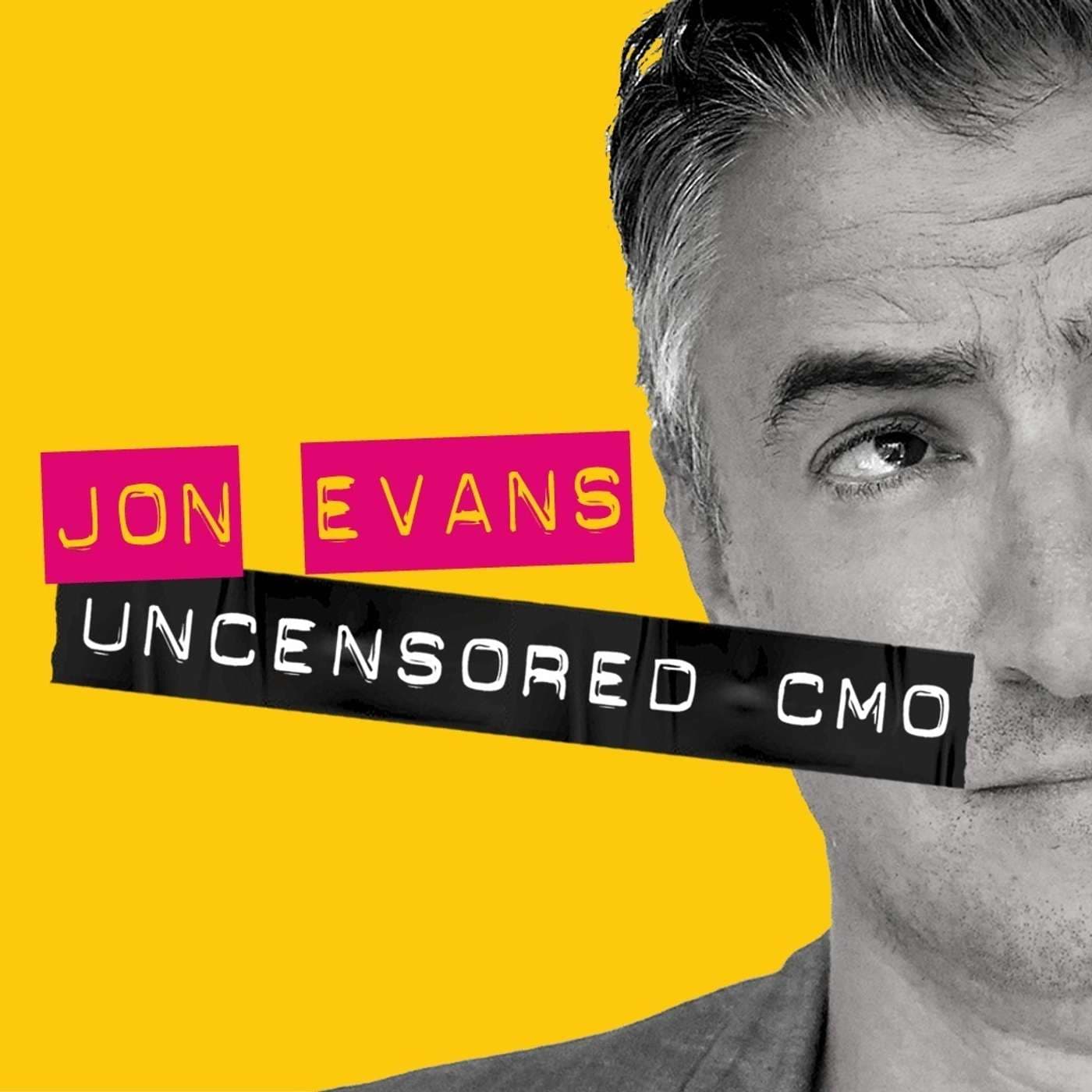
Politics, persuasion and podcasts - lessons from Jimmy's Jobs of the Future
Timestamps are as accurate as they can be but may be slightly off. We encourage you to listen to the full context.
Podcast Summary
In this special crossover episode of Uncensored CMO, host Jon Evans welcomes Jimmy McLoughlin, creator of the UK's influential political podcast "Jimmy's Jobs of the Future." The conversation explores the fascinating intersection of politics, media, and marketing, revealing how big podcasts now rival traditional media in shaping public opinion. (01:37) Jimmy shares his journey from Downing Street advisor to podcaster, including the remarkable story of how he secured interviews with Tony Blair and the current Prime Minister. The discussion dives deep into marketing strategies, comparing the most impactful episodes from both shows, debating trust in marketing versus politics, and examining why humor has become such an undervalued asset in modern advertising.
• Main Theme: The conversation centers on how podcasting has revolutionized political and marketing communication, with emphasis on authenticity, storytelling, and the power of long-form conversations over traditional media soundbites.Speakers
Jon Evans
Jon Evans is the host of Uncensored CMO, a leading marketing podcast that has featured top CMOs and marketing leaders. He previously served as Marketing Director at Lucozade and has won awards at the Marketing Week Awards, establishing himself as a prominent voice in the marketing industry.
Jimmy McLoughlin
Jimmy McLoughlin is a former Downing Street advisor who created "Jimmy's Jobs of the Future," one of the UK's most influential political podcasts. Having worked directly with the Prime Minister and now hosting over 250 episodes, Jimmy has interviewed high-profile guests including Tony Blair, Keir Starmer, and numerous business leaders, focusing on career development and economic trends.
Key Takeaways
Master the Power of Long-Form Conversations
Traditional media offers politicians and business leaders mere minutes to communicate, but podcasts provide hours of authentic dialogue. (06:33) Jimmy explains how Trump's three-hour Joe Rogan appearance demonstrated this shift - "you come across entirely differently when you've got nowhere to hide." This format allows for deeper, more personal connections that can completely transform public perception. For professionals, this means prioritizing meaningful conversations over quick soundbites in networking and leadership communications.
Authenticity Beats Polish in Modern Communication
The most successful podcast episodes often feature guests who don't follow typical corporate speak. (28:47) Jimmy notes that someone like restaurant owner Will Gudara "will just say precisely what needs to be said, and then have a beautiful story" because he's not constrained by corporate presentation habits. This teaches professionals to focus on genuine storytelling rather than rehearsed talking points when presenting ideas or building their personal brand.
Reverse Benchmarking Unlocks Hidden Opportunities
Rather than studying what competitors do well, focus on what they do poorly. (23:38) The story of Eleven Madison Park restaurant illustrates this perfectly - they couldn't compete on food quality, so they revolutionized service standards. This strategy applies to any professional field: identify the overlooked aspects of your industry and excel where others are merely adequate, creating an unfair advantage through attention to neglected details.
Consistency Compounds More Than Innovation
Familiarity breeds contentment, not contempt, in communication. (44:39) Jon explains that "marketers ditch advertising about the point it's starting to work" because repetition actually increases likeability. David Cameron's relentless "long-term economic plan" messaging exemplifies this principle. (45:28) For professionals, this means sticking with core messages and personal brand positioning long after you're personally tired of them.
Human Skills Become More Valuable as AI Advances
While technical skills face AI disruption, human interaction capabilities become increasingly precious. (48:35) Jimmy advises joining communities and developing T-shaped skills - deep specialization combined with broad human capabilities. The key insight is that "human skills are going to become more important than ever before and the only real way that you learn human skills is to interact with other humans." This means prioritizing relationship-building and emotional intelligence alongside technical competencies.
Statistics & Facts
- Happiness is the most powerful emotion in advertising, but humor usage has dropped by half in the last decade while purpose-driven advertising has doubled. (40:08) This represents a fundamental shift in how brands communicate with consumers.
- Among 15 types of happiness measured in advertising, schadenfreude (pleasure at others' misfortune) is the most effective emotion for driving action, while being pleased for others is the least effective. (41:03)
- Only 1% of advertisements ever receive a five-star rating from System One, with banking ads typically performing poorly due to their dull nature, making Monzo's four-star rating particularly impressive. (39:10)



