Mark Ritson's Top Marketing Moments of 2025
Timestamps are as accurate as they can be but may be slightly off. We encourage you to listen to the full context.
Podcast Summary
Marketing professor Mark Ritson returns with his annual tradition of breaking down the top 10 marketing moments of the year, covering everything from major agency mergers to crisis management strategies. (00:32) This episode examines how brands responded to various challenges, from Tesla's fighter brand failures to Starbucks' positioning overhaul under new CEO Brian Nikel. The discussion spans global markets and reveals emerging trends like "maxi-miniflation" - where companies simultaneously shrink products and raise prices. (48:43) Ritson provides his characteristically opinionated analysis on what worked, what didn't, and why traditional marketing theory still matters more than ever.
- Main themes: Crisis management strategies, the power of marketing repetition, CEO leadership transitions, consumer pushback against pricing manipulation, and the importance of strategic patience over reactive marketing.
Speakers
Mark Ritson
Mark Ritson is a renowned marketing professor and columnist who has been delivering his annual top 10 marketing stories for sixteen years. He previously taught at MIT's business school as a case teacher and is known for his direct, theory-based approach to marketing strategy. Ritson regularly writes columns and speaks at major industry events, including sold-out presentations at London's IMAX cinema.
John Evans
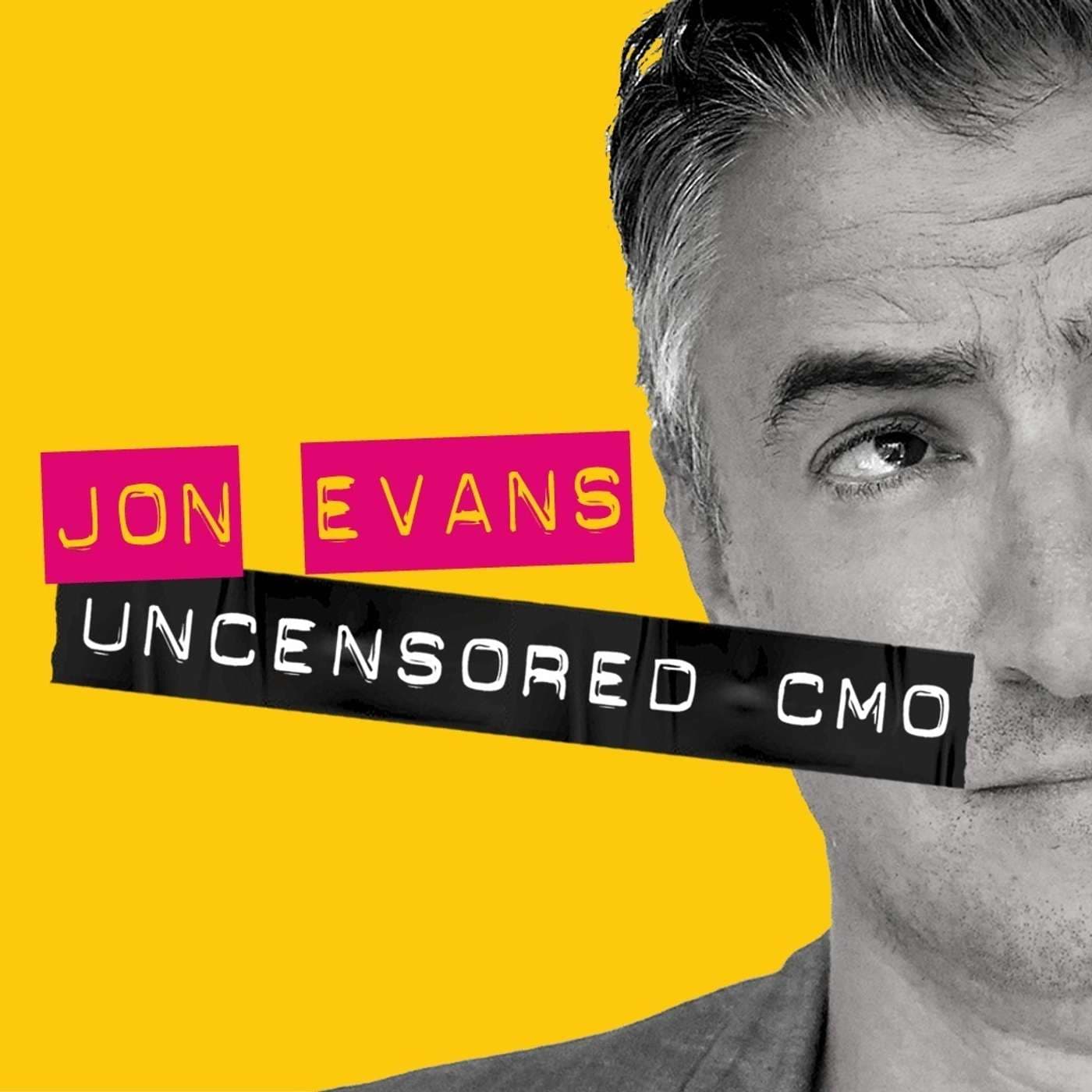
John Evans is the host of Uncensored CMO podcast and works with System1, providing marketing effectiveness data and insights. He conducts interviews with marketing leaders and has extensive experience analyzing advertising effectiveness through consumer testing and behavioral data.
Key Takeaways
Strategic Patience Often Beats Reactive Crisis Management
When faced with President Trump and RFK Junior's attacks on Tylenol, the brand chose to do essentially nothing - a stark contrast to their famous 1982 crisis response playbook. (05:26) Rather than engaging directly with the controversy, Tylenol issued only a brief press release and waited for the story to fade. This "Fabian strategy" - named after the Roman emperor who defeated Hannibal by refusing to engage - proved effective as the brand maintained most of its market share while avoiding prolonged negative attention. For professionals, this demonstrates that not every crisis requires immediate, comprehensive action. Sometimes the best strategic move is to assess whether engaging will amplify or diminish the threat.
Repetition and Familiarity Drive Superior Marketing Results
Amazon's decision to re-run their "Sledging Grannies" Christmas ad instead of creating new creative proved remarkably successful, scoring the maximum possible effectiveness rating of 5.9. (23:03) The strategy allowed Amazon to redirect 20-25% of their budget from creative development to media buying, significantly increasing their share of voice. This approach reflects Andrew Tyndall's research showing that marketers "don't bake their cakes for long enough" - they abandon effective creative too quickly due to internal boredom rather than consumer fatigue. The top four Christmas ads that year all employed some form of repetition, demonstrating that familiarity breeds contentment, not contempt, among consumers.
Fighter Brands Usually Punch Themselves Instead of Competitors
Tesla's launch of a stripped-down, cheaper Model 3 in Germany represents a classic fighter brand strategy - creating a low-priced variant specifically to combat Chinese competitors like BYD. (15:57) However, Ritson argues this will likely backfire, as nine out of ten fighter brands end up cannibalizing their own premium sales rather than effectively competing with the intended target. The budget Tesla removes distinctive features like leather seats and glass roofs, potentially damaging the brand's premium positioning while offering little profit margin. For business leaders, this illustrates the importance of understanding established marketing frameworks rather than assuming innovation alone will overcome strategic fundamentals.
Clear, Humble Positioning Outperforms Purpose-Driven Complexity
New Starbucks CEO Brian Nikel replaced the company's grandiose "changing the world one cup at a time" positioning with a simple focus on "serving the world's best coffee in a nice place where you want to be." (39:11) This shift represents what Ritson calls "relative differentiation" - identifying just one or two things you want to be better at than competitors. The previous positioning lacked clarity and practical application, leaving employees and customers confused about what Starbucks actually stood for. Nikel's approach demonstrates that effective positioning should be humble, realistic, and focused on a maximum of two differentiating factors rather than attempting to solve global problems.
Consumer Tolerance for Stealth Price Increases Is Breaking Down
The phenomenon Ritson terms "maxi-miniflation" - simultaneously shrinking products and raising prices without announcement - is facing unprecedented consumer resistance. (48:43) German consumers' revolt against Milka chocolate, which reduced bar size by 10 grams while increasing price by 50 cents, resulted in 20% sales decline. McKinsey's State of the Consumer survey reveals that price increases now rank as the top concern across 18 countries, surpassing even immigration and healthcare. This shift suggests that the decade-long strategy of stealth price manipulation through shrinkflation is no longer viable, forcing companies to find genuine growth rather than relying on pricing tricks.
Statistics & Facts
- Tesla's European sales declined by 65% year-over-year in markets like Germany, Spain, and France, demonstrating severe market share loss despite strong stock performance. (09:42)
- 45% of negative Twitter reactions to Cracker Barrel's rebrand within the first 24 hours came from bot accounts, suggesting artificial amplification of the crisis rather than genuine consumer outrage. (37:38)
- Meta generates approximately $16 billion annually from fraudulent advertising (about 10% of total revenue), with Reuters reporting that Facebook limits action against fraud to less than 1% of revenue activity. (44:45)



