How SAS went from performance to brand
Timestamps are as accurate as they can be but may be slightly off. We encourage you to listen to the full context.
Podcast Summary
In this episode of The Uncensored CMO, host John Evans speaks with Jenn Chase, CMO of SAS, a global leader in data and AI software celebrating its 50th anniversary. (06:12) The conversation explores how Jenn has transformed SAS from performance-led to brand-led marketing after 27 years at the company, including launching their first brand campaign in 25 years during the COVID pandemic. (08:51) They discuss the challenges of being a founder-led business, building effective relationships with finance teams, leveraging humor in B2B marketing, and SAS's major sponsorship deal with Liverpool FC. (24:43) Jenn also shares insights on AI's impact on marketing, leadership lessons from interviewing Brené Brown, and the skills needed for modern CMO success.
- Main themes include transitioning from performance to brand marketing, stakeholder management, leveraging data for marketing decisions, and building culture in marketing organizations
Speakers
Jenn Chase
Jenn Chase is the CMO of SAS, a global leader in data and AI software, where she has spent an remarkable 27 years across multiple roles including R&D, customer support, and various marketing functions. She took over as CMO in January 2020, just six weeks before the COVID pandemic, and has since led the company's transformation from performance-focused to brand-led marketing, including launching their first brand campaign in 25 years.
John Evans
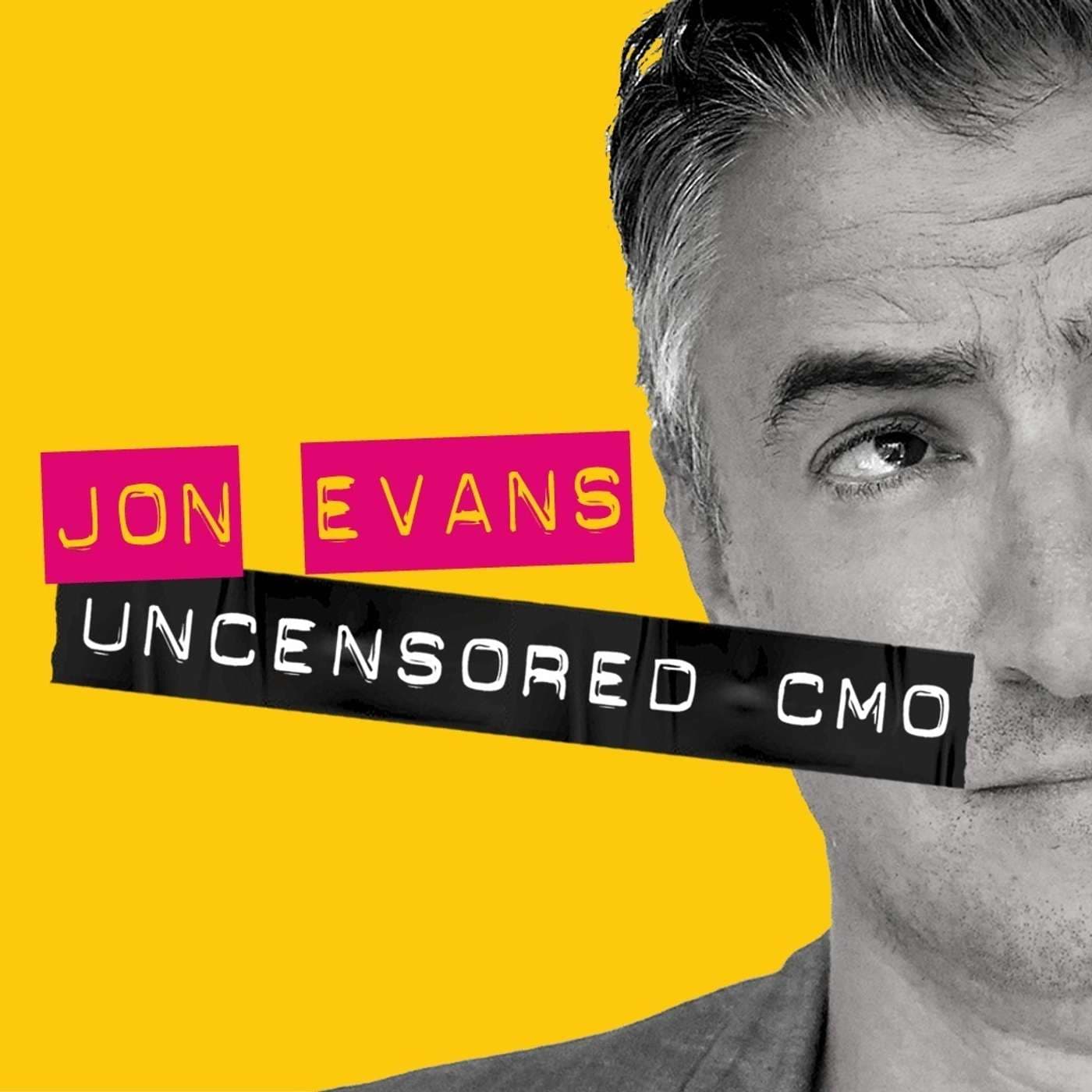
John Evans is the host of The Uncensored CMO podcast and a marketing professional who focuses on interviewing senior marketing leaders about their strategies and experiences. He has conducted extensive research into CMO challenges and effectiveness, including studies on brand versus performance marketing and CMO confessions.
Key Takeaways
Build Strategic Partnerships with Finance to Unlock Brand Investment
Jenn transformed SAS's relationship with finance from transactional budget reviews to strategic partnership by improving her finance literacy while educating finance teams on marketing. (10:47) Rather than receiving additional budget for brand marketing, she convinced leadership to reallocate existing performance marketing spend by presenting data from the B2B Institute about the 95-5 rule and long-term brand building benefits. This partnership resulted in a finance business partner joining her leadership team who now advocates for marketing investments when she's not in the room.
Use Data as Your "Love Language" to Drive Marketing Transformation
As a data and AI company, SAS leveraged their analytical capabilities to justify the shift from performance to brand marketing. (09:46) Jenn presented research from sources like the Ehrenberg-Bass Institute and the B2B Institute, including data on the 95-5 rule (only 5% of buyers are in market at any time) and how brand and demand work together synergistically. This data-driven approach helped overcome internal resistance and demonstrated that brand plus performance delivers exponentially better results than either approach alone.
Master Stakeholder Management as Chief Collaboration Officer
Modern CMOs must excel at stakeholder management, which Jenn considers one of the least understood capabilities of the role. (29:36) She involves C-suite stakeholders early in major decisions, creates comprehensive change management plans, and focuses on being outcome-oriented rather than credit-seeking. For major initiatives like the Liverpool FC sponsorship, she brought stakeholders along at multiple decision points and created internal videos explaining the 18-month decision-making process to build organizational buy-in.
Embrace Humor and Brand Devices to Break Through B2B Sameness
SAS's latest campaign leverages thoughtful humor and distinctive brand devices to stand out in the crowded B2B data and AI space. (22:21) They introduced a pink cube representing insights from their Viya platform and white spheres representing overwhelming data, creating extensible visual metaphors that work globally. The humor focuses on relatable office pain points around data overwhelm rather than dark or mean-spirited comedy, helping make their message more memorable and human-centered.
Evolve AI Usage from Personal to Departmental Productivity
While marketers are early adopters of generative AI for personal productivity, the real value lies in moving up the maturity curve to departmental and enterprise-wide productivity gains. (32:35) SAS has reduced their messaging development process from 30 to 10 days using AI, created agents to score creative briefs for effectiveness, and automated complex RFP processes for analyst relations. The key is using AI not just for cost reduction, but to improve quality and enable marketers to focus on more strategic, meaningful work.
Statistics & Facts
- 92% of the Fortune 500 use SAS software, demonstrating their significant but behind-the-scenes presence in major corporations. (01:31)
- 60% of SAS's leads came from live events before COVID, forcing a complete rethinking of their marketing approach when events disappeared. (07:32)
- SAS found a 5x lift in revenue ability to win when prospects were exposed to their brand advertising, discovered through a clean room analytics project with LinkedIn. (19:56)



