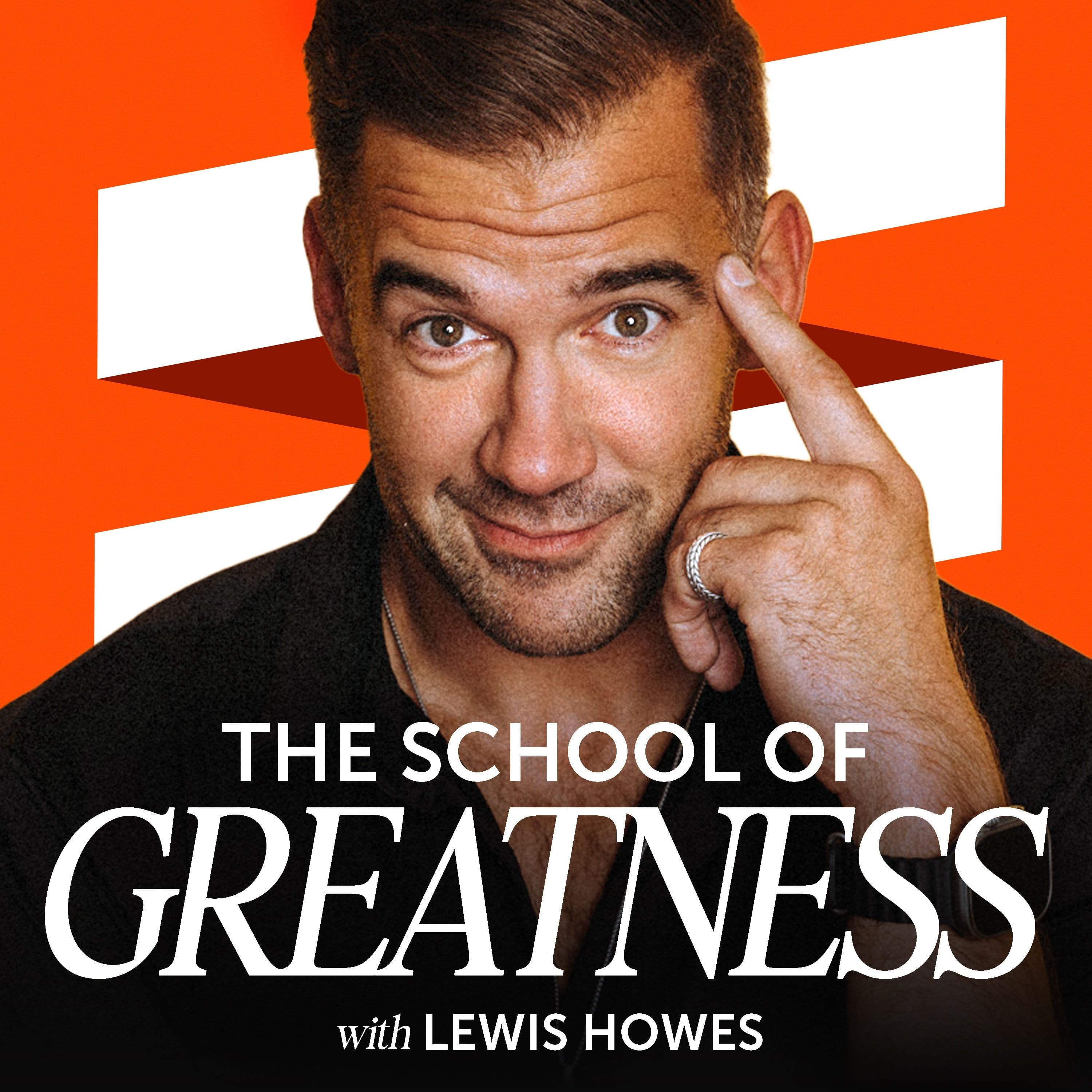
YOU Are Your Greatest Asset | Eric Thomas
Timestamps are as accurate as they can be but may be slightly off. We encourage you to listen to the full context.
Podcast Summary
In this powerful episode of the School of Greatness, Eric "ET" Thomas reveals the brutal truth about overcoming life's most devastating challenges. ET shares his raw journey from living homeless in abandoned buildings in Detroit to becoming one of the world's most influential motivational speakers. (04:47) The episode centers on the pivotal moment when ET realized he was the common denominator in all his struggles, not external circumstances. (04:57) He discusses the importance of taking ownership of your life, becoming your own first best friend, and making fact-based rather than emotion-driven decisions. Throughout the conversation, ET emphasizes that your greatest asset isn't real estate or a career - it's you.
- Main themes include personal ownership, the danger of victim mindset, investing in yourself first, and creating meaningful relationships while building a purpose-driven life.
Speakers
Eric "ET" Thomas
Eric Thomas, known as "ET the Hip Hop Preacher," is a world-renowned motivational speaker, author, and educator. He overcame homelessness and being a high school dropout to earn a PhD at age 44, becoming a New York Times bestselling author. ET has spoken to NFL and NBA teams, Fortune 500 companies, and millions through his viral motivational content, helping people transform their mindset and achieve greatness.
Lewis Howes
Lewis Howes is the host of The School of Greatness podcast, a New York Times bestselling author, and former professional athlete. He has built a media empire focused on helping ambitious professionals achieve personal and professional mastery through mindset, relationships, and purposeful living.
Key Takeaways
Stop Playing the Blame Game and Take Your Keys Back
ET emphasizes that when you blame others for your circumstances, you're essentially giving them the keys to your life and power over your future. (29:10) This happens because blaming external factors feels easier than taking responsibility and doing the hard work of change. The moment you stop saying "my mom, my dad, this person, the police" and start taking ownership is when you can truly begin directing your life. ET learned this lesson when he realized he was the common denominator in all his struggles, not external circumstances. Once you reclaim your keys, you gain more freedom, independence, control, and limitless opportunities rather than being constrained by others' limitations.
Become Your Own First Best Friend
Before seeking validation or happiness from others, you must develop a healthy relationship with yourself. (33:13) ET explains that we're so focused on being in community that we forget we ARE a community within ourselves. Many people struggle because they think they need someone else to be somebody, but two dysfunctional people coming together only creates more dysfunction. The key is becoming emotionally healthy on your own first - knowing who you are, loving yourself, and feeling confident in your own presence. When you achieve this self-awareness and self-love, you can then contribute to healthy relationships rather than seeking others to complete you.
Make Fact-Based Decisions, Not Feeling-Based Ones
ET shares how emotional decision-making led him to live in abandoned buildings as a teenager after discovering his father's true identity. (47:32) The same document that sent him into emotional turmoil could have been interpreted factually - as evidence of a mother trying to protect him and provide a stable family environment. When you make emotional decisions, you get emotional consequences, but fact-based decisions lead to better outcomes. This requires developing mental discipline through practices like meditation to control your mind rather than letting it control you. In business and leadership situations especially, decisions should be based on research, evidence, and empirical data rather than emotions.
Invest in Yourself Before Anything Else
ET's mentors taught him that real estate and careers were his greatest assets, but no one ever told him that he was his greatest asset. (17:04) Before investing in the S&P 500, real estate, or any external opportunity, you must first invest in developing yourself. This means continuously learning, growing, and expanding your capabilities because when you activate yourself and know who you are, there's nothing that can stop you. ET emphasizes checking yourself first in 2025 - looking in the mirror and recognizing that you're your lottery ticket out of any situation. Self-investment includes education, skill development, mindset work, and personal growth that compounds over time.
Create Mental Rock Bottom to Drive Change
For people living comfortable but unfulfilling lives, ET suggests asking "What would life look like if you did it on your terms?" rather than following the prescribed path of compliance and rule-following. (39:35) Many people have done a phenomenal job being obedient and following societal expectations but haven't considered what they truly want to create. The process involves identifying what you really want, determining what it takes to achieve it, and honestly assessing whether you're willing to do that work. ET believes that if you're drawn to content about greatness, it's because you already know greatness is within you - the question is whether you're willing to consistently operate at that level and stop being lazy about activating your potential.
Statistics & Facts
- ET took 12 years to complete a four-year college degree, graduating at age 30, then earned his PhD at age 44, demonstrating that there's no timeline for educational achievement. (12:27)
- ET and his wife Dee Dee have been married for over 34 years, showing the power of finding someone who believes in your potential and is willing to grow with you through challenges. (11:46)
- When ET speaks at schools and asks how many students don't have their fathers in their lives, approximately 90% raise their hands, highlighting the widespread impact of father absence and how this shared experience helps him connect with audiences. (31:14)



