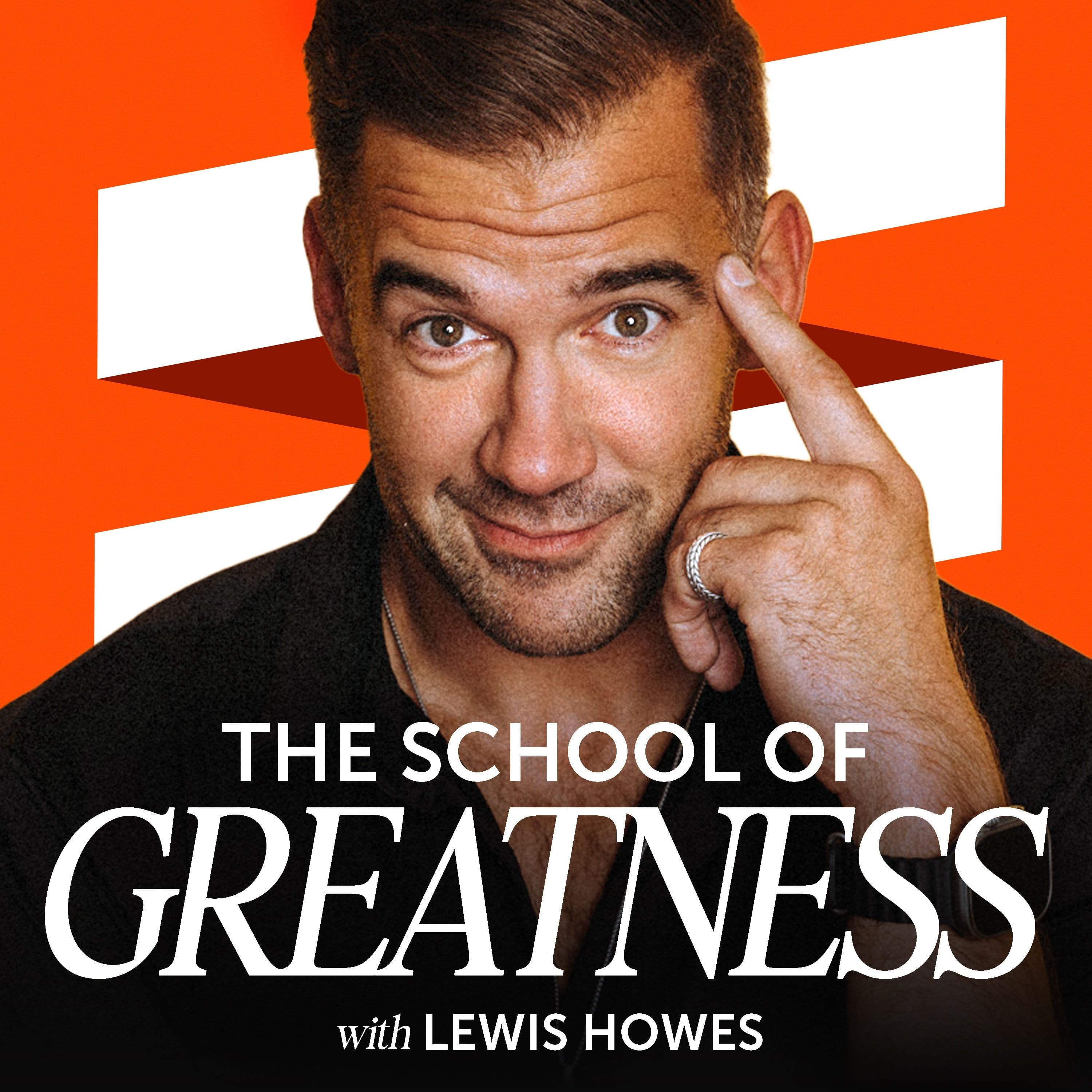
Why You Keep Manifesting the Wrong Things (And How to Fix It)
Timestamps are as accurate as they can be but may be slightly off. We encourage you to listen to the full context.
Podcast Summary
In this powerful episode of The School of Greatness, neuroscientist and neurosurgeon Dr. James Doty explores the fascinating intersection of neuroscience and manifestation. (00:24) Dr. Doty shares his journey from childhood poverty to manifesting every material goal he set at age 12—only to discover profound emptiness at the peak of success. (30:08) The conversation reveals how most people manifest inefficiently because they operate from fear, shame, and limiting beliefs wired into them before age 10. (02:25) Dr. Doty explains the crucial difference between hedonic happiness (pleasure-seeking that leaves you empty) and eudaimonic happiness (purpose-driven fulfillment that lasts), while demonstrating how your brain's networks align to create synchronicities when you shift from fear-based to love-based manifestation. (32:30)
Speakers
Dr. James Doty
Dr. James Doty is a distinguished neuroscientist, neurosurgeon, and author who serves as the founding director of the Center for Compassion and Altruism Research and Education (CCARE) at Stanford University. He is also the former chairman of the Dalai Lama Foundation and has authored the New York Times bestseller "Into the Magic Shop," which has been translated into 36 languages. Dr. Doty overcame extreme poverty and family dysfunction to become a successful neurosurgeon, ultimately learning that true fulfillment comes not from material success but from compassion and service to others.
Lewis Howes
Lewis Howes is the host of The School of Greatness podcast and a New York Times bestselling author. He is known for his work in personal development and interviewing world-class guests about achieving success and fulfillment. Howes brings his expertise in performance psychology and business to create meaningful conversations that help listeners unlock their potential.
Key Takeaways
Manifestation from Fear vs. Love Creates Dramatically Different Outcomes
Dr. Doty explains that most people manifest from fear, insecurity, and shame, which activates the sympathetic nervous system and limits access to creative brain networks. (25:01) When you operate from fear-based desires (hedonic happiness focused on "I want"), you create a prison of attachment that leads to emptiness even when goals are achieved. (30:32) Conversely, manifestation from love and service to others activates the parasympathetic nervous system, creating openness, creativity, and access to executive control networks that maximize manifestation potential. (33:17) This shift from "what you want" to "what you need" fundamentally changes what you attract and how fulfilled you feel when you achieve it.
Your Subconscious Acts as a Bloodhound When You Properly Embed Intentions
The brain processes 10 million bits of information per second but only 50-100 on a conscious level. (04:04) When you value-tag an intention through multiple sensory experiences—writing it down, reading silently and aloud, visualizing—you activate the salience network. (44:51) This creates a "bloodhound" effect where your attention network constantly scans for opportunities related to your intention, similar to how you immediately hear your name at a loud party. (45:06) Dr. Doty demonstrates this with an example of hearing someone discuss his exact project in a coffee shop, leading to a valuable connection because his intention was properly embedded in his subconscious.
Childhood Programming Controls Adult Manifestation Until Consciously Changed
Limiting beliefs and negative self-talk are typically established before age 10 through unpredictable, chaotic environments that chronically activate the sympathetic nervous system. (14:54) These early experiences create attachment and bonding patterns that influence every decision and relationship as an adult. (09:51) Dr. Doty shares how growing up with an abusive father led people to unconsciously seek familiar dynamics in romantic partners, even when painful. (10:10) Breaking these patterns requires developing self-awareness about how childhood baggage affects current behavior, then consciously choosing self-compassion over self-criticism to shift from fear-based to love-based operating systems.
Small Consistent Actions Build Belief Systems More Than Grand Gestures
Rather than attempting massive changes that often lead to failure and reinforce limiting beliefs, Dr. Doty recommends starting with tiny, achievable goals. (59:43) He suggests beginning with something as simple as walking around the block at 6 AM daily, which demonstrates personal agency and builds confidence through small wins. (59:57) This approach gradually rewires belief systems by providing evidence that you can set intentions and follow through, eventually building to larger accomplishments like running marathons. The key is celebrating small victories and allowing them to sink in before adding additional challenges, creating sustainable momentum rather than overwhelming yourself.
Attachment to Outcomes Creates Suffering and Limits Manifestation
True manifestation freedom comes from releasing attachment to specific timelines, methods, and exact outcomes. (78:08) Dr. Doty shares his 13-year journey planning a World Compassion Festival, explaining how dispositional optimism—maintaining unwavering belief without timeline attachment—keeps manifestation energy flowing. (79:09) When you're rigidly attached to how something must happen, you create potential disappointment and may miss better opportunities that don't match your preconceived vision. (78:28) The practice involves holding intentions clearly while remaining open to unexpected pathways, allowing the universe to deliver what you need rather than limiting it to what you think you want.
Statistics & Facts
- The human brain processes 10 million bits of information per second through sensory organs, but can only consciously process 50-100 bits. (04:04) Dr. Doty explains this demonstrates why most manifestation happens on a subconscious level and why embedding intentions properly is crucial for accessing this vast processing power.
- Half of the world's population lives on less than $2.50 per day. (85:47) Dr. Doty uses this statistic to illustrate the importance of gratitude and perspective when feeling dissatisfied with one's current circumstances, emphasizing that most podcast listeners are actually blessed compared to global standards.
- The heart's vibrational energy can be measured at five to six feet away from the body. (07:07) This demonstrates the scientific basis for "energy" and "vibration" concepts in manifestation, showing how our physiological states can influence others and our environment in measurable ways.



