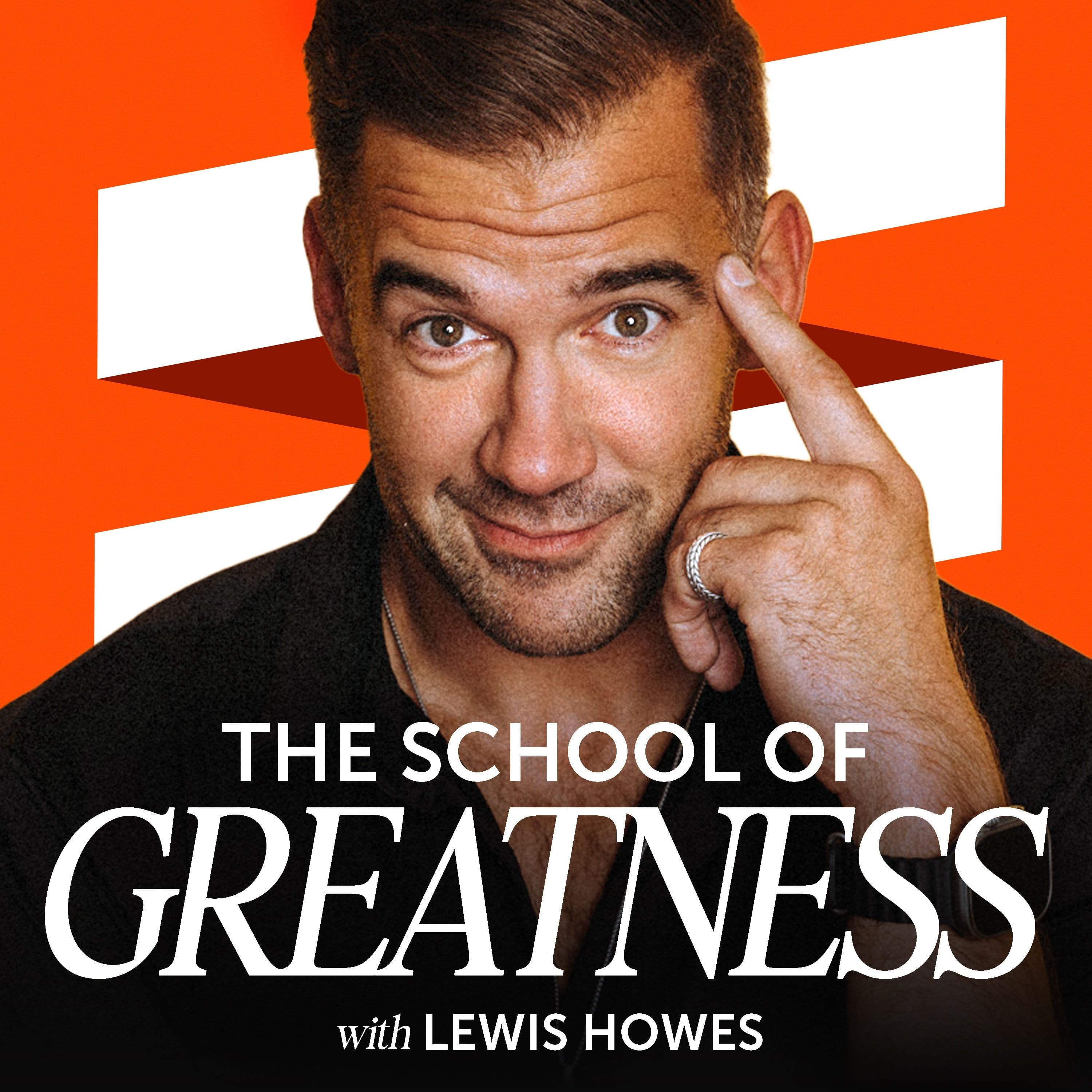
Why I Cried Myself to Sleep Running a Billion-Dollar Brand
Timestamps are as accurate as they can be but may be slightly off. We encourage you to listen to the full context.
Podcast Summary
In this powerful episode of The School of Greatness, jewelry empire founder Kendra Scott reveals the raw truth behind building a billion-dollar brand from $500 and a wooden tea box. (38:00) The conversation explores how the 2008 recession became "the greatest gift Kendra Scott ever got," forcing her to completely reimagine her business model from wholesale to direct-to-consumer retail. (26:55) Scott shares intimate details about her darkest period in 2020, when despite external success, she was "sobbing herself to sleep every night, feeling like a complete fraud" while managing her father's heart attacks, a divorce, and the global pandemic. (02:13) The episode demonstrates how authentic vulnerability and customer connection—from champagne and cupcakes in stores to personally reading every Instagram comment—can build lasting business success.
- Core Theme: How authentic vulnerability, customer connection, and treating failure as a bridge to success can transform both personal struggles and business challenges into exponential growth and meaningful impact.
Speakers
Kendra Scott
Founder and Chairwoman of Kendra Scott jewelry, a billion-dollar fashion brand that started from $500 in supplies and has grown to over 120 retail locations nationwide. She's also a professor at the University of Texas, despite being a college dropout, and recently authored "Born to Shine: Do Good, Find Your Joy, and Build a Life You Love."
Lewis Howes
Host of The School of Greatness podcast, former professional athlete turned lifestyle entrepreneur, and New York Times bestselling author of "Make Money Easy" and "The Greatness Mindset."
Key Takeaways
Authentic Vulnerability Creates Competitive Advantage
Scott discovered that being genuinely vulnerable about her struggles—including being a college dropout and single mother—actually attracted investors and customers rather than repelling them. (44:04) When she stopped trying to be someone she wasn't and started saying "I'm a single mom, I didn't finish college, but I'm a hard worker," she began building authentic relationships that drove business growth. This vulnerability allowed her to connect with other entrepreneurs facing similar insecurities and created a foundation of trust with customers, investors, and team members that became impossible for competitors to replicate.
Make Connection First, Transaction Second
Rather than focusing on sales, Scott built her empire by prioritizing genuine relationships with customers. (31:42) Her stores offer champagne, cupcakes, and a welcoming environment where customers can freely touch and try jewelry, disrupting the traditional intimidating jewelry store model. This connection-first approach proved crucial during the pandemic when customers showed up to support the brand because of the authentic relationship built over twenty years. The strategy demonstrates that when you focus purely on transactions, you lose connections, but when you build genuine connections, transactions naturally follow.
Failure as Bridge to Next Success
Scott reframes failure as an essential bridge to the next level of success rather than an endpoint. (12:22) Her first business failure—a hat company that she ran for five years—taught her lessons that directly contributed to her jewelry empire's success. She noticed customers weren't buying hats but were purchasing her handmade jewelry side projects. The recession of 2008, which initially devastated her wholesale business, forced her to pivot to direct-to-consumer retail, creating the store experience that became her competitive advantage. This mindset shift allows entrepreneurs to extract lessons from setbacks and use them as fuel for exponential growth.
Know Your Weaknesses to Build Strengths
Scott emphasizes that successful entrepreneurs must identify their weaknesses and hire people who excel in those areas. (33:32) She acknowledges this goes against the typical entrepreneurial mindset of trying to be a "magical unicorn" who can do everything. By focusing on her strengths—design, customer connection, and vision—while building a team to handle operations, finance, and other areas, she was able to scale from thousands to billions in revenue. This approach requires entrepreneurs to be honest about their limitations and trust others with critical business functions, but it's essential for moving beyond small business limitations.
Customer as the Ultimate Boss
Scott maintains that regardless of whose name is on the building, the customer is the one signing the paychecks and must be treated accordingly. (35:18) She personally reads every Instagram comment and ensures her team prioritizes customer feedback and experience above all else. This philosophy extends to physically working in stores, asking customers what they love and hate, and constantly asking "How am I going to surprise and delight my customer today?" (60:13) This customer-obsessed approach helped her identify expansion opportunities, from men's jewelry to fine jewelry lines, by listening to what customers actually wanted rather than assuming what they needed.
Statistics & Facts
- Scott started her jewelry business with just $500 worth of supplies and a wooden tea box, growing it into a billion-dollar brand over 20 years. (20:01)
- The company went from 600 retail locations to 400 during the 2008 recession, but this crisis forced the business model pivot that led to explosive growth afterward. (23:25)
- Scott's business experienced lightning-fast growth from $5 million to $25 million, then $25 million to $75 million in consecutive years after opening their first retail store. (57:36)



