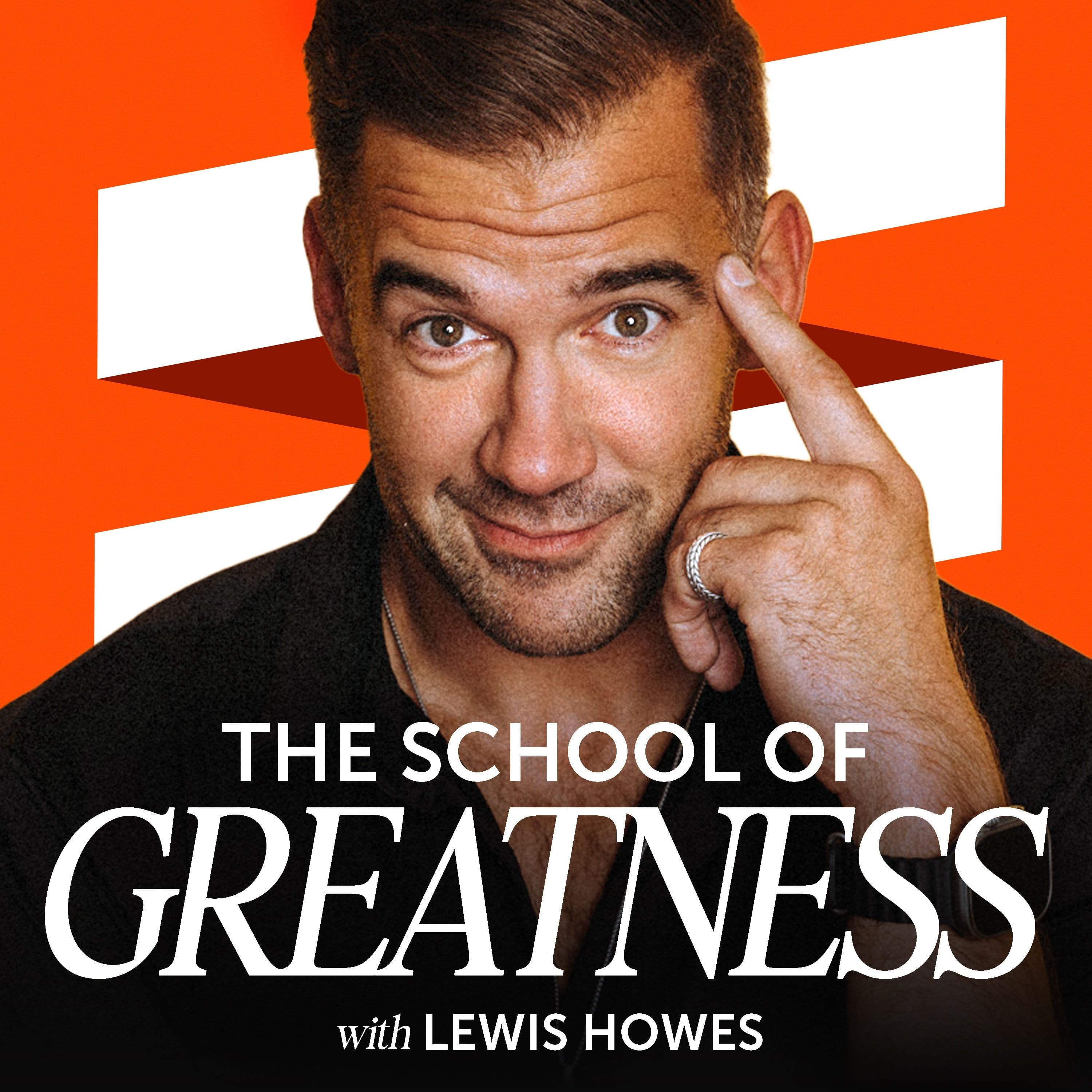
Why Healing Your Past Won't Change Your Life
Timestamps are as accurate as they can be but may be slightly off. We encourage you to listen to the full context.
Podcast Summary
Katherine Woodward Thomas, a licensed marriage and family therapist and New York Times bestselling author, reveals a groundbreaking approach to overcoming the self-limiting beliefs that trap us in cycles of personal suffering. (10:00) Rather than endlessly analyzing past trauma, she advocates for a future-focused methodology that distinguishes between healing (the domain of the past) and transformation (the domain of the future). (57:00) The episode explores her seven-step process for moving beyond painful past experiences to manifest your brightest future, emphasizing that wherever we're centered at the level of identity is where we generate our entire lives from. (33:17)
- Core themes include identifying the 22 most common limiting beliefs (with "I'm not good enough" and "I'm alone" leading the pack), understanding source fracture stories from childhood, and learning to differentiate between trauma responses and truth
Speakers
Lewis Howes
Former professional athlete turned entrepreneur and bestselling author, Lewis hosts the School of Greatness podcast which has been running for 13 years. He has written multiple bestselling books including "Make Money Easy" and focuses on helping people achieve personal and professional greatness through interviews with inspiring guests.
Katherine Woodward Thomas
A licensed marriage and family therapist, New York Times bestselling author, and internationally recognized teacher of personal transformation with decades of experience helping people clear emotional blocks. She has pioneered breakthrough concepts like "Conscious Uncoupling" and has taught tens of thousands of people in live interactive classes since 2007, developing new therapeutic approaches that focus on future transformation rather than past analysis.
Key Takeaways
The Future Pulls Us Forward More Than the Past Holds Us Back
Research by Paula Nourias and Hazel Marcus in 1986 revealed that positive possible futures actually determine our current motivation and actions more than our past experiences do. (23:00) Katherine explains that most people get stuck analyzing why they are the way they are, which actually solidifies their old story rather than creating transformation. The breakthrough comes when you claim a positive possible future first - even if it seems impossible given your current identity - and let that vision initiate development and pull you forward into new ways of being.
Distinguish Between Your Wounded Self and Your Wise Self
When we get triggered, our wounded inner child often takes control and drives our adult decisions. (18:01) The key is learning to differentiate between these two parts of yourself by asking "How old are you, sweetheart?" to the wounded part while accessing your adult wisdom - the same compassionate presence you naturally show friends in need. This allows you to mentor your own inner child rather than letting a traumatized five-year-old run your life.
You Cannot Create from Victimhood
While acknowledging that victimization is real and valid, Katherine emphasizes that making a home of victimization prevents all progress and creativity. (35:01) The key is holding complexity - yes, terrible things happened, but victimization has two parts: what happened to you, and who you choose to be in the face of it. Taking zero tolerance for victimization doesn't dismiss trauma but reclaims your power to create rather than merely react to life.
See Yourself as Source Without Dropping Into Shame
Learning to objectively observe your own choices and behaviors that contribute to unwanted patterns is crucial, but most people either drop into shame or blame their psychology. (44:00) Katherine shared how recognizing she wasn't looking for emotionally available men (due to her "I'm alone" belief) gave her access to power by changing her criteria, leading to finding her husband. The goal is identifying your patterns without self-attack so you can consciously choose new ways of relating.
Embrace Growth Mindset Over Analysis Paralysis
When you set a bold future outside your current identity, expect a jolt toward growth and temporary chaos as old structures fall away. (51:00) Rather than spending years analyzing your past, invest that energy in developing the skills and capacities you'll need for your desired future. Katherine emphasizes that wherever trauma stopped development, specific skills remain underdeveloped - like vulnerability, receiving love, or healthy conflict resolution - which require conscious development rather than just understanding.
Statistics & Facts
- There are 22 core limiting beliefs that act as inner glass ceilings on our potential, with "I'm not good enough" being the most pervasive, followed by "I'm alone" as the second most common, particularly in America. (05:04)
- Katherine has taught tens of thousands of people (60,000-70,000) in live interactive classes since 2007, giving her unique clinical insights into transformation patterns. (33:40)
- Research shows that consciousness at the level of identity can be imprinted in the womb, with scientific evidence of babies refusing their mother's breast when the mother didn't want the pregnancy. (06:05)



