Stop Faking Confidence: Master These Cues Instead
Timestamps are as accurate as they can be but may be slightly off. We encourage you to listen to the full context.
Podcast Summary
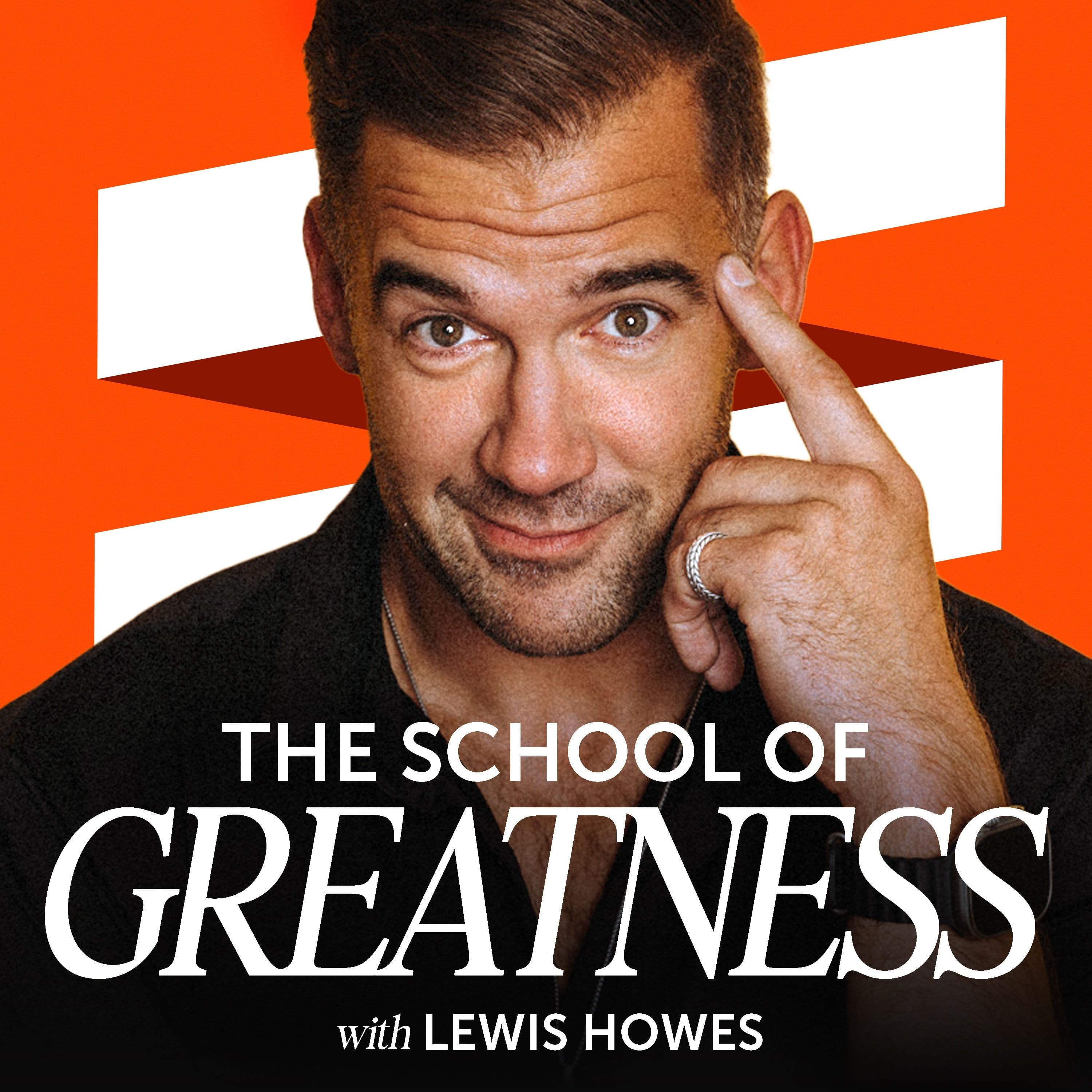
In this episode of The School of Greatness, Lewis Howes sits down with Vanessa Van Edwards, behavioral researcher and author of "Cues," to explore the science behind charismatic communication. (01:09) Edwards shares groundbreaking research showing that charisma isn't about being the loudest person in the room—it's about mastering the perfect balance between warmth and competence. The conversation reveals how our body language, vocal tone, and word choice either enroll people in our vision or push them away, often without us realizing it.
- Core Discussion: The episode focuses on practical, research-backed strategies for reading social cues, controlling your own nonverbal signals, and using authentic presence to create meaningful connections in professional and personal settings.
Speakers
Vanessa Van Edwards
Vanessa Van Edwards is a behavioral researcher and founder of Science of People, a human behavior research lab. She's the bestselling author of "Captivate" and "Cues" and has been featured in major media outlets for her expertise in nonverbal communication and social skills. As a recovering awkward person and introvert who overcame social anxiety, she's dedicated her career to helping others decode the secret language of human interaction through science-backed research.
Lewis Howes
Lewis Howes is the host of The School of Greatness podcast and New York Times bestselling author of multiple books including "The Greatness Mindset" and "Make Money Easy." A former professional athlete turned entrepreneur, he's built his platform around helping people overcome limitations and achieve their full potential through authentic communication and personal development.
Key Takeaways
Master the Warmth-Competence Balance for Charisma
The most compelling people possess a perfect blend of warmth (trustworthiness) and competence (reliability). (12:04) Very smart people often make the mistake of showing up as all competent, trying to impress with numbers and facts, but they're perceived as cold and intimidating. Conversely, highly warm people are seen as likable but not credible. Edwards explains that all people problems stem from an imbalance between warmth and competence signals. Practical Application: Before important meetings or presentations, consciously plan to demonstrate both qualities—share your expertise while also showing genuine care for others' needs.
Use Achievement-Oriented Words to Double Performance
Research shows that sprinkling achievement-oriented words like "win," "succeed," "master," and "greatness" into your communication can dramatically improve others' performance and motivation. (29:09) In one study, participants who read directions containing these words performed better, worked longer, and enjoyed their tasks more. Edwards emphasizes that even reading these words can change our dopamine and testosterone levels. Practical Application: Audit your important emails and replace neutral words with achievement-oriented language—instead of saying "complete the project," say "master this challenge" or "win with this initiative."
Label Rejection Cues to Regain Control
When we see social rejection cues like eye rolls, sighs, or distancing behavior, our field of vision increases and our amygdala activates, making it impossible to think clearly. (04:14) However, UCLA research by Matthew Lieberman shows that simply labeling these cues—saying "that was an eye roll" or "that's contempt"—immediately calms the amygdala and restores cognitive control. Practical Application: In challenging conversations, mentally label negative cues you observe rather than letting them trigger an emotional response—this gives you back control of your physiology and the interaction.
Show Your Hands to Build Instant Trust
When people can't see your hands, their brain has difficulty trusting you. (19:04) Edwards' analysis of 495 Shark Tank pitches revealed that successful entrepreneurs consistently showed their hands through gestures and greetings, while unsuccessful ones hid their hands in pockets, behind their backs, or held props. Research shows gestures carry more weight than words and help lower cognitive load, making you more fluent and competent. Practical Application: Start video calls with an open-palm wave, keep your hands visible during presentations, and use purposeful gestures to emphasize key points rather than hiding your hands.
Use Space Zones to Control First Impressions
The distance between you and others sends powerful trust signals before you even speak. (16:45) Being too close (intimate zone: 0-18 inches) can make people uncomfortable, while the social zone (18 inches to 4 feet) creates the ideal balance for professional interactions. Edwards notes that many people make the mistake of sitting too close to their cameras on video calls, which unconsciously signals they want intimacy too quickly. Practical Application: Position yourself 18 inches to 3 feet from your camera during video calls, and be mindful of space when entering rooms—walk from public to personal to social zones rather than jumping straight into someone's personal space.
Statistics & Facts
- Edwards' team analyzed 495 Shark Tank pitches, coding every variable including entrance, first impression, verbal content, eye contact, smiling, and interactivity to identify patterns between successful and unsuccessful pitches. (19:42)
- Research shows that gestures carry 12.5 times more information than words alone, and people are more likely to believe your fingers than your verbal count if there's a discrepancy. (24:09)
- A study of doctors found that those with the lowest warmth and competence voice ratings had the highest rate of malpractice lawsuits, demonstrating that we don't just sue doctors based on their skills, but our perception of their skills formed in the first few seconds of hearing them. (44:36)



