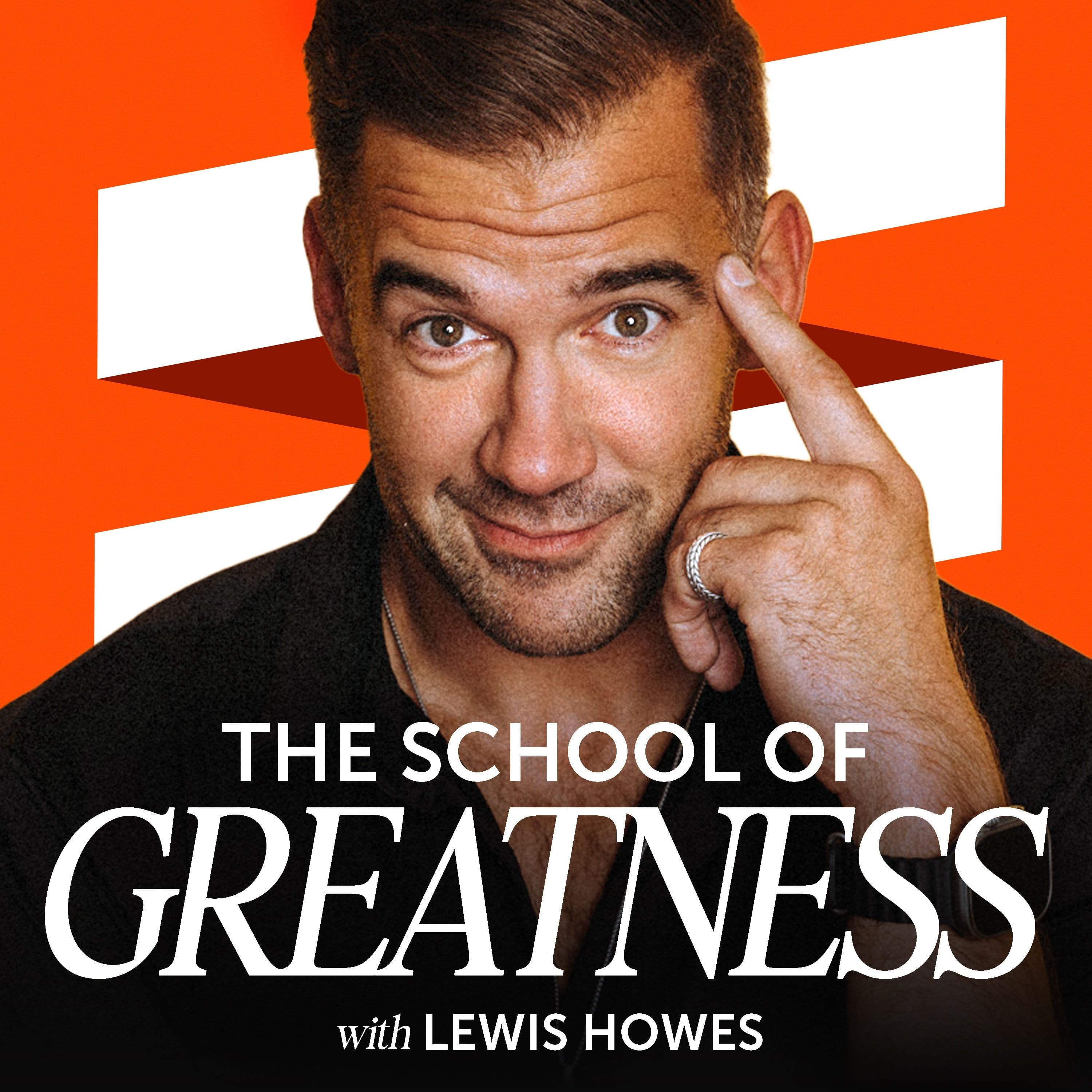
10 Lessons of Greatness: How to Live Bigger, Love Deeper, and Leave a Legacy
Timestamps are as accurate as they can be but may be slightly off. We encourage you to listen to the full context.
Podcast Summary
In this solo episode, Lewis Howes distills 13 years of interviewing the world's greatest minds into 10 practical strategies for achieving greatness. Drawing from his own journey from living on his sister's couch with maxed-out credit cards to building a successful media empire, Lewis provides actionable frameworks that helped him transform his life during the 2008 economic crisis. (02:38)
• **Main Themes:** Building confidence through discipline, turning adversity into advantage, creating compelling visions, living with purpose, and developing a champion mindset that transforms struggles into strengths.Speakers
Lewis Howes
Lewis Howes is the host of The School of Greatness podcast and New York Times bestselling author of multiple books including "Make Money Easy," "The Greatness Mindset," and "The School of Greatness." After his professional football career ended due to a broken wrist, he spent 13 years interviewing the greatest minds in the world to understand how they think, act, and live when no one is watching.
Key Takeaways
Create a Vision So Compelling It Scares You
Lewis emphasizes that if your dream doesn't scare you, it's probably too small. (02:07) Drawing from Oprah Winfrey's wisdom about creating the "highest, grandest vision possible," he explains that you become what you envision yourself being. When Lewis was living on his sister's couch after his football career ended, he didn't need to know HOW to accomplish his dreams—he just needed clarity on WHAT he wanted and WHY. His first vision was simply getting off his sister's couch, while his longer-term vision of making the Olympic handball team has driven him for 17 years. The key is writing your dream in one clear sentence with a specific timeline, then creating visual reminders through vision boards or phone wallpapers that trigger daily action.
Turn Your Adversity Into Your Greatest Advantage
Your struggles aren't curses—they're courses, as Lewis powerfully states. (14:15) Every major challenge in his life, from sexual abuse to financial struggles to career setbacks, ultimately developed him into a stronger person. The broken wrist that ended his football career forced him into "Rocky training mode" where he developed courage, learning skills, and resilience he never had before. The action here is profound: instead of asking "Why is this happening to me?" start asking "What is this preparing me for?" List three challenges that shaped you and identify the specific strengths each gave you. Then use your story to inspire others who are currently where you once were—your vulnerability becomes your superpower.
Champions Aren't Fearless—They're Relentless
Building on Marcus Aurelius' principle that "what stands in the way becomes the way," Lewis reveals that champions don't avoid their fears—they run toward them. (20:56) When he was terrified of public speaking, instead of avoiding it, he went all-in: weekly Toastmasters meetings, getting a coach, filming himself to cringe at his own performances, and practicing relentlessly for a year. The key mindset shift is replacing "I can't" with "I'm learning to." This isn't about toxic positivity—it's about channeling energy into developing skills rather than complaining. After every failure, extract one lesson and immediately apply it instead of beating yourself up.
Real Hustle is Consistency, Not Burnout
Lewis redefines hustle culture by distinguishing between motivation (a feeling) and discipline (a choice). (24:26) Real hustle isn't grinding 24/7—that's unsustainable and led to his own burnout, weight gain, and exhaustion. True hustle is showing up consistently when no one's watching, like his 13 years of weekly podcast episodes. Excellence becomes a habit, not just an act. The framework here is picking one habit that aligns with your vision and making it non-negotiable, scheduling daily focus time like an appointment with your dream, and tracking progress without demanding perfection. Ask yourself each night: "Did I keep my promise to myself today?"
Live With Purpose Beyond Personal Success
Success without service is empty, Lewis emphasizes, sharing how shifting from ego-driven goals to service-oriented missions transformed his fulfillment. (28:46) His mission to serve 100 million lives weekly stems from his own years of suffering and feeling insignificant—he doesn't want others to experience that pain. The practical application involves defining your "why" in one clear sentence, asking daily if your actions aligned with what matters most, and measuring success by who you helped rather than what you achieved. This isn't about neglecting your own goals—it's about pursuing your dreams in service to others, creating both personal success and meaningful impact.
Statistics & Facts
- 150,000 people die every single day around the world from various causes. (43:57) Lewis uses this statistic to emphasize gratitude for being alive and the importance of making each day count since tomorrow isn't guaranteed.
- According to neuroscientist Dr. Andrew Huberman, until we're sleeping long enough and deep enough, we're only operating at about 80% of our true capacity. (36:07) This highlights how critical proper sleep is for peak performance and achieving greatness.
- Lewis has been consistently producing The School of Greatness podcast episodes every single week for 13 years. (25:23) This demonstrates the power of consistent discipline over sporadic intense effort.



