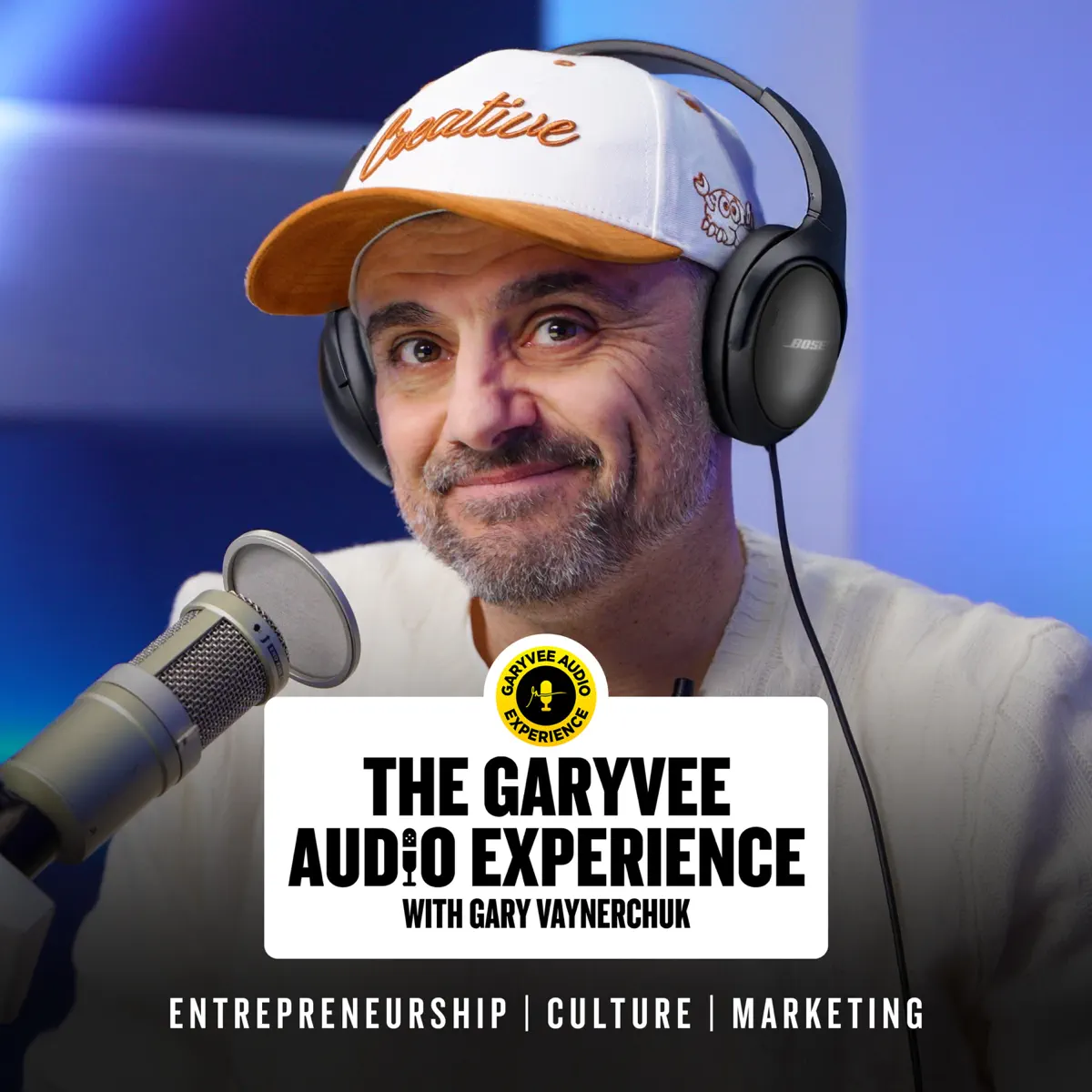
The Social Media Opportunity In 2026
Timestamps are as accurate as they can be but may be slightly off. We encourage you to listen to the full context.
Podcast Summary
Gary Vaynerchuk delivers a hard-hitting keynote at the Aspire conference in San Diego, focusing on the untapped potential of social media as a free business growth tool. (00:00) He emphasizes that social media represents the fastest way to grow a business besides operational excellence, yet most entrepreneurs fail to leverage it effectively due to fear, lack of patience, and poor self-awareness. (09:00) Throughout his talk, Gary addresses the psychological barriers preventing success, including the need for external validation, lack of accountability, and the pursuit of shortcuts over sustainable growth strategies.
- Core theme: Social media mastery combined with self-awareness and accountability as the foundation for entrepreneurial success
Speakers
Gary Vaynerchuk
Gary Vaynerchuk is a serial entrepreneur, CEO of VaynerX (with 2,000 employees globally), and chairman of VaynerMedia. He transformed his family's liquor store into Wine Library, building it from $3 million to $60 million through early adoption of e-commerce and video content on Wine Library TV, which he launched just months after YouTube's debut in 2005. Gary is a bestselling author of multiple business books including "Crush It" and serves on the board of Charity: Water, working to provide clean water access globally.
Key Takeaways
Self-Awareness Trumps Strategy Every Time
Gary emphasizes that many people are delusional about their entrepreneurial abilities when they might excel as number two or three in an organization. (10:17) The key insight is that some of the most financially successful people in business were not the founders but rather key executives at major companies like Facebook and Tesla. This takeaway challenges the conventional wisdom that everyone should be an entrepreneur and instead advocates for honest self-assessment of strengths and natural roles.
Love the Process or Get Outworked
The most critical factor for entrepreneurial success isn't knowledge or tactics—it's genuine passion for what you're building. (09:09) Gary observes how people constantly chase trends (real estate, crypto, cannabis) without loving the actual work involved. When you don't love the process, someone who does will inevitably outwork you because they find energy and motivation in the daily grind that you find draining.
Social Media is Free Marketing Gold
Unlike traditional marketing channels that require significant investment, social media provides unprecedented free access to global audiences. (17:29) Gary contrasts this with his early days spending money on newspaper ads, TV commercials, and billboards. The shift from social graph to interest graph means even accounts with zero followers can achieve viral reach instantly, making this the most democratized marketing opportunity in history.
Accountability is Your Competitive Advantage
Every problem in your business traces back to decisions you made as the leader. (21:59) Gary illustrates this by pointing out that if your CFO sucks, you hired them—making it your responsibility to fix the situation. This level of accountability, while uncomfortable, becomes a massive competitive advantage because most entrepreneurs blame external factors (economy, politics, market conditions) instead of taking ownership.
Energy Management Determines Success
Your energy is finite, and spending even one minute on envy or jealousy toward competitors directly reduces your capacity for productive work. (27:04) Gary advocates for creating a "cocoon" of positivity while limiting exposure to negativity from family, social media, or news. The principle is simple: every unit of mental energy spent on things you can't control is energy not invested in building your future.
Statistics & Facts
- Gary launched Wine Library TV on February 21, 2006, just months after YouTube's launch on December 15, 2005, demonstrating his pattern of early platform adoption. (02:59)
- 730 million people on earth do not have access to clean water, representing almost 10% of the global population. (32:01) Gary serves on the board of Charity: Water and uses this statistic to provide perspective on complaining about minor inconveniences.
- VaynerX now employs 2,000 people globally, with many employees being around 28 years old. (23:29) This growth from his family liquor store demonstrates the scalability possible through digital marketing and social media mastery.



