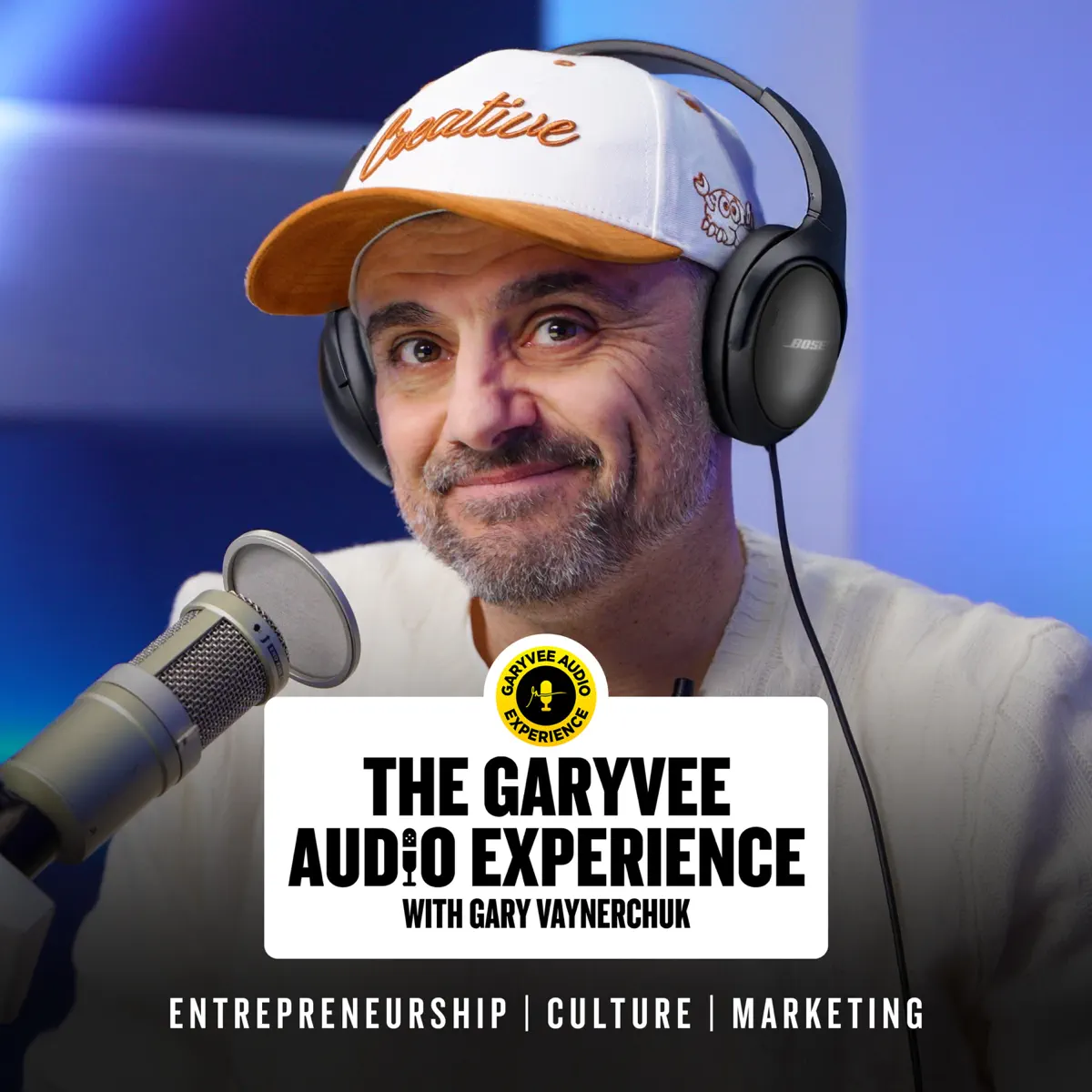
The Future of Attention: Live Shopping, AI & The New Rules of Business | The Burnouts
Timestamps are as accurate as they can be but may be slightly off. We encourage you to listen to the full context.
Podcast Summary
In this episode of The Burnouts, Gary Vaynerchuk joins hosts Phoebe Gates and Sophia Kianni for a wide-ranging conversation about the future of business, AI, and human potential. Gary discusses the massive opportunity in live shopping, drawing parallels to Asia where 30% of e-commerce happens through live formats (04:48). The conversation explores how convenience continues to reshape consumer behavior, with Gary predicting we're entering the most significant era of reduced friction since the internet's inception (07:40). Throughout the discussion, Gary emphasizes the importance of empathy and emotional intelligence in business, sharing insights from his experience building VaynerMedia with a Chief Heart Officer (27:11). The episode covers strategies for content creation across platforms, the psychology of different social media audiences, and Gary's philosophy on taking control of your life regardless of external circumstances.
- Main themes: Live shopping opportunities, AI's impact on commerce and society, the importance of emotional intelligence in leadership, platform-specific content strategies, and maintaining optimism while taking personal accountability
Speakers
Gary Vaynerchuk
Gary Vaynerchuk is the Chairman of VaynerX, a modern-day media and communications holding company, and CEO of VaynerMedia, a global marketing agency with 2,500 employees. He built his family's wine business from $3M to $60M in revenue through early adoption of e-commerce and social media marketing, and is a serial entrepreneur, investor, and five-time New York Times bestselling author.
Phoebe Gates & Sophia Kianni (The Burnouts)
Phoebe Gates and Sophia Kianni are the co-founders behind The Burnouts podcast and creators of Fia, an AI-powered personal shopping app. They represent a new generation of entrepreneur-creators building technology companies while maintaining active content creation and community building across social platforms.
Key Takeaways
Live Shopping Represents the Next Major Commerce Revolution
Gary emphasizes that live shopping isn't a future trend—it's already happening at massive scale. In Asia, 30% of all e-commerce transactions occur through live shopping formats (04:48). Companies like Abercrombie & Fitch have completely transformed their businesses using live shopping on TikTok (05:17). For aspiring creators who may not succeed in traditional influencer marketing, live shopping offers a different path to success based on sales ability, product knowledge, and conversational skills rather than just visual appeal. This represents a democratization of opportunity for those with strong interpersonal skills.
Platform Psychology Requires Tailored Content Strategies
Gary reveals the critical mistake most marketers make: posting identical content across platforms without understanding audience psychology (41:36). Each platform serves different mental states and communities. Facebook operates more as a community layer while TikTok and Instagram function as interest layers (43:01). The same product should be marketed differently—on Instagram with a magazine/runway approach, on Facebook emphasizing community and gifting, and on LinkedIn focusing on professional benefits (43:37). Success requires understanding not just demographics but the psychological mindset users bring to each platform.
Emotional Intelligence Outperforms Technical Skills in Leadership
Gary's decision to hire a Chief Heart Officer who has more organizational influence than his CFO demonstrates the power of prioritizing people over processes (27:35). This approach has resulted in unprecedented retention rates in the notoriously volatile advertising industry, where typical tenure is 18 months but Gary's employees stay for decades (28:03). The key insight is that long-term business success depends more on keeping talented people happy and productive than on financial optimization alone. This creates a competitive advantage through superior culture and reduced turnover costs.
Personal Brand and Business Success Are Now Inseparable
Gary argues that the distinction between creator and entrepreneur has dissolved—they're now the same thing (77:21). In an increasingly commoditized tech landscape, personal brand becomes the primary differentiator for customer acquisition and retention (78:31). The most successful companies will be those where customers install apps or buy products because it reflects their identity and values. This shift means that building personal distribution power through authentic content creation is no longer optional but essential for business success.
Take Full Ownership of Your Life Regardless of External Circumstances
Gary emphasizes that individuals have far more control over their circumstances than they realize, including the ability to relocate if political or economic conditions don't suit them (35:36). He warns against making major life decisions solely to appease parents, as this often leads to resentment and unfulfillment later (36:21). The key is understanding that with current technology and remote work capabilities, 18-30 year olds have unprecedented optionality. This requires shifting focus from complaining about external problems to recognizing and acting on available opportunities.
Statistics & Facts
- In Asia, 30% of all e-commerce transactions happen through live shopping formats (04:48) - Gary uses this to illustrate that live shopping isn't a future trend but a current reality that Western markets are only beginning to adopt.
- VaynerX spends $3 billion annually in media and social advertising (44:46) - This demonstrates the scale of Gary's marketing operations and provides credibility to his insights about advertising effectiveness across platforms.
- Gary's advertising agency achieves employee retention of 10+ years in an industry where 18 months is typical (28:03) - This statistic supports his argument that prioritizing emotional intelligence and company culture creates measurable business advantages.



