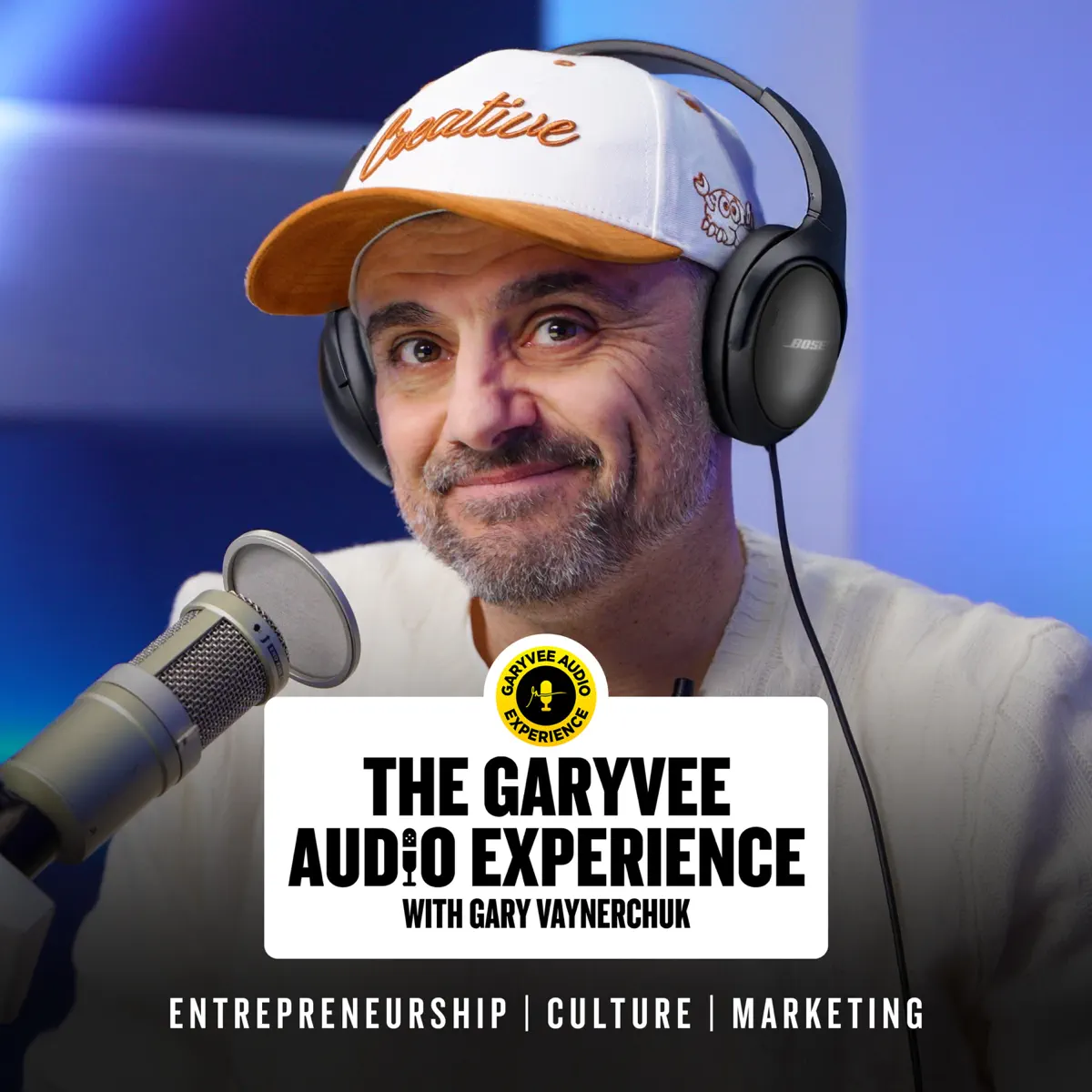
The Biggest Financial Opportunity for People Under 25
Timestamps are as accurate as they can be but may be slightly off. We encourage you to listen to the full context.
Podcast Summary
This episode features Gary Vaynerchuk in conversation with comedian Tom Papa on the Breaking Bread podcast, sharing raw insights about entrepreneurship, family, and the transformative power of social media. Gary discusses his journey from building a $60 million wine business for his parents to starting VaynerMedia from scratch, emphasizing the importance of self-awareness, passion-driven work, and not dwelling on failures. (43:00) He reveals how his comedic timing was first recognized by Conan O'Brien after a viral wine-tasting video, leading to profound realizations about his natural abilities. The conversation covers practical strategies for leveraging AI and social media to build individual empires, while addressing cultural shifts around gratitude, work ethic, and the opportunities available to ambitious professionals in today's digital landscape.
- Main Theme: Transforming passion into profitable ventures through social media, self-awareness, and relentless execution while maintaining gratitude and authentic communication
Speakers
Gary Vaynerchuk
Gary Vaynerchuk is a serial entrepreneur and CEO of VaynerMedia, a $400 million annual revenue digital marketing agency. He transformed his family's liquor store into Wine Library, growing it from $3 million to $60 million in annual revenue through pioneering e-commerce and digital marketing strategies. An early investor in Facebook, Twitter, and other major platforms, Gary is also a bestselling author and sought-after speaker who has built a massive social media following by sharing practical business advice and motivational content.
Tom Papa
Tom Papa is a stand-up comedian, author, and host of the Breaking Bread podcast. He has appeared on numerous television shows and comedy specials, establishing himself as a respected voice in comedy with his observational humor and relatable storytelling style.
Key Takeaways
Embrace the Juggling Act Without Self-Judgment
Gary reveals his philosophy for managing multiple ventures simultaneously: give yourself grace when things don't go perfectly. (01:09) He uses the metaphor of juggling 13 plates where six will inevitably fall and break - instead of dwelling on failures, he focuses on being grateful for the seven plates still spinning. This mindset shift from perfectionism to progress allows entrepreneurs to take on ambitious projects without being paralyzed by the fear of failure. The key is maintaining perspective that having multiple ventures puts you ahead of most people who only manage one project at a time.
Work Ethic Becomes Effortless When Following Your Passion
Gary emphasizes that his 11-12 hour workdays don't feel like work because he genuinely loves what he does. (01:45) He compares this to how runners get a high from running - something he personally can't understand but acknowledges as real for others. When you find work that aligns with your passions, the long hours become sustainable and energizing rather than draining. This principle applies whether you're building companies, creating content, or pursuing any ambitious goal - passion is the fuel that makes extraordinary effort feel natural.
Hire for Your Weaknesses and Know Your Strengths
Self-awareness is crucial for scaling any business or personal brand. Gary openly admits he can't hang a picture on the wall but can build empires. (20:48) This honest assessment of his abilities allows him to focus on his strengths while delegating or outsourcing tasks that don't align with his skill set. The most successful entrepreneurs and professionals understand that trying to be good at everything leads to mediocrity, while doubling down on your natural talents while hiring for weaknesses creates exponential growth potential.
Social Media Is the Greatest Opportunity in Human History
Gary argues that social media has eliminated traditional gatekeepers, allowing anyone to build an audience and monetize their passions. (13:59) He shares the example of someone making $750,000 annually by posting baking content on Instagram and TikTok. The key is consistency, authenticity, and focusing on what you genuinely enjoy rather than chasing trends. You can be one TikTok post away from changing your life, but it requires showing up daily and providing value to your audience around topics you're passionate about.
AI Is Your Biggest Opportunity If You're Young
Rather than fearing AI will eliminate jobs, young people should view it as the ultimate competitive advantage. (33:02) Gary demonstrates how a 19-year-old can use ChatGPT to generate business ideas and implementation strategies in real-time. (34:48) AI allows young entrepreneurs to compete with established businesses by offering services at a fraction of traditional costs - like building websites for $500 instead of $4,000. The key is learning AI by using AI tools and asking increasingly specific questions to develop actionable business strategies.
Statistics & Facts
- Gary transformed his family's liquor store from $3 million to $60 million in annual revenue through digital marketing and e-commerce strategies. (03:23) This 20x growth demonstrates the power of early adoption of digital platforms and understanding consumer behavior online.
- 800 million people on Earth do not have access to clean water within an eight-hour window, representing 10% of the global population. (25:12) Gary uses this statistic to provide perspective on the opportunities available to anyone with access to technology and basic resources.
- Gary's class rank was 243 out of 251 students at North Hunterdon High School in New Jersey. (20:39) This demonstrates that traditional academic performance doesn't determine entrepreneurial success when you focus on your natural strengths and passions.



