Listen To This If You Want To Be A Influencer In 2025
Timestamps are as accurate as they can be but may be slightly off. We encourage you to listen to the full context.
Podcast Summary
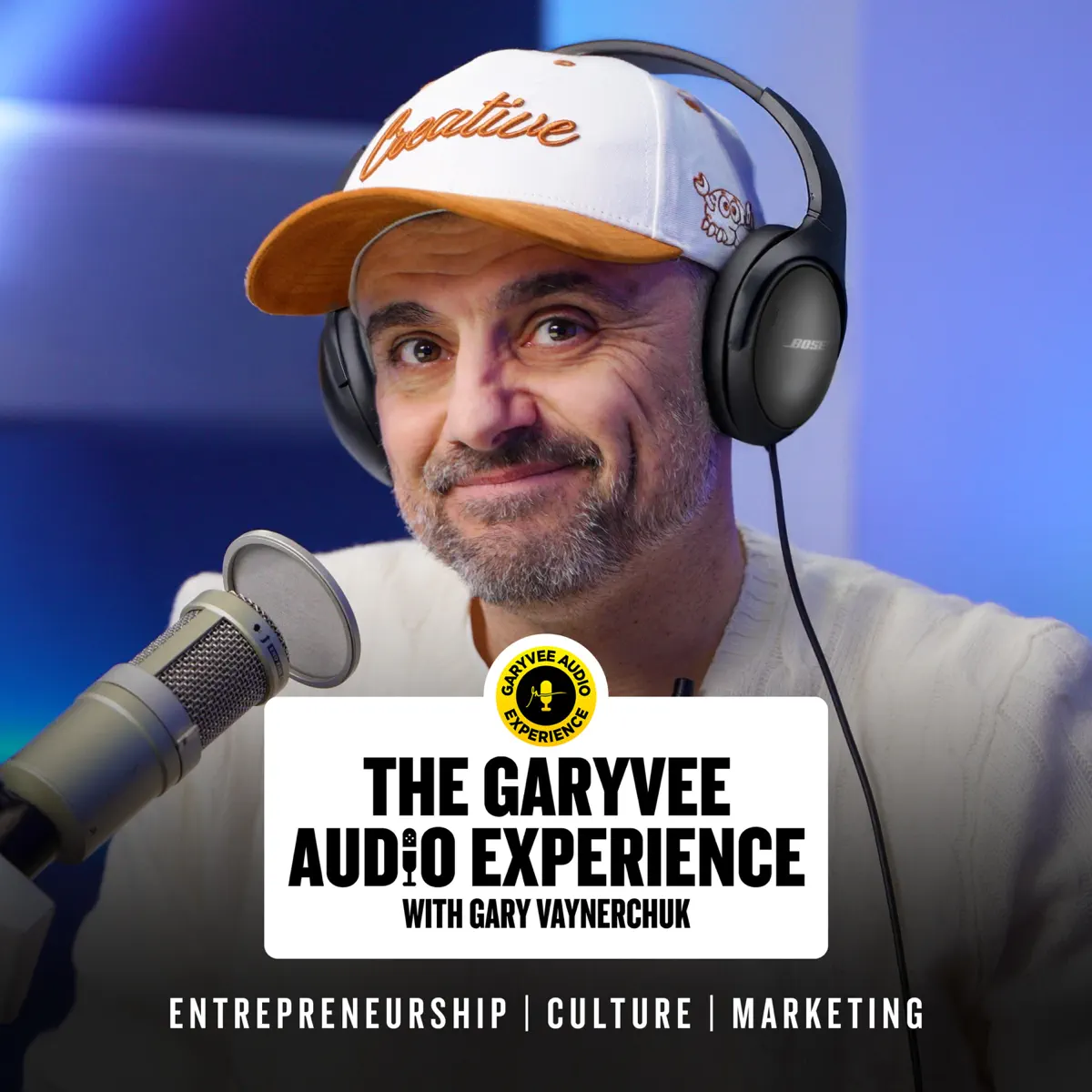
This podcast captures Gary Vaynerchuk hosting an intimate live Q&A session with content creators and influencers, focusing on building community while promoting his upcoming VeeFriends cartoon series launching in two weeks. Gary discusses the evolving landscape of creator marketing, emphasizes the importance of authentic content over follower count, and provides practical advice on brand partnerships and monetization strategies. (02:05) Throughout the session, he shares insights on balancing entrepreneurial ambitions with personal well-being, the power of following your intuition, and building sustainable creator businesses in an increasingly competitive market.
- Main focus: Building creator community, navigating algorithm changes, authentic content creation, and supporting Gary's VeeFriends cartoon launch
Speakers
Gary Vaynerchuk
Gary Vaynerchuk is a serial entrepreneur, CEO of VaynerMedia, and creator of VeeFriends - an NFT project he's expanding into a multimedia brand including children's books and cartoons. He built Wine Library TV into a major digital presence, scaled his family's wine business from $3M to $65M, and founded VaynerMedia, a digital marketing agency. Gary is known for his early recognition of social media platforms and has been creating content for over 18 years, with a brief hiatus from 2012-2014 to focus on building VaynerMedia's foundation.
Key Takeaways
Focus on Individual Content Quality Over Follower Count
Gary emphasized that algorithm changes have fundamentally shifted the game - it's now about individual pieces of content rather than follower count. (10:19) He explained that even small accounts with 500 followers can achieve millions of views if they create compelling content, while large accounts struggle if their content isn't engaging. This represents a democratization of reach where quality content can break through regardless of your starting point. The practical implication is that creators should stop obsessing over follower metrics and instead invest energy in crafting valuable, authentic content that resonates with audiences.
Proactive Brand Outreach Yields Better Results Than Waiting
When creators struggle to get brand deals, Gary's solution is simple but effective: spend 30-60 minutes daily DMing brands directly. (36:47) He suggests starting with products you actually use at home, taking authentic photos, and reaching out with genuine messages. For someone with 700,000 followers like the wheelchair dad Daniel, this approach can catch brand managers' attention immediately. Gary emphasizes this isn't about crafting perfect pitches - even simple messages like "we love your products" can open doors when they come from authentic creators with real audiences.
Trust Your Intuition Over Analytical Overthinking
Gary made a bold prediction that within 75 years, we'll understand that our gut is the primary brain and our logical brain is secondary. (32:23) He argued that most successful creators got to where they are by following their instincts, not by overanalyzing metrics and strategies. The danger comes when creators start second-guessing their intuitive content decisions based on performance data or competitor analysis. Gary encourages creators to post content that feels right to them, even if it doesn't perform as well initially, rather than constantly pivoting based on algorithmic feedback.
Taking Breaks Is Essential for Long-Term Success
Gary strongly advocates for taking breaks when needed, whether for days, weeks, or even months. (40:39) He believes that burnout leads to poor decision-making and potentially destructive coping mechanisms that are far more damaging than temporary revenue loss. Using his own example of stopping successful shows when he no longer wanted to do them, Gary emphasizes that no amount of money is worth the alternative of staying on a path that makes you unhappy. He argues that taking breaks often leads to coming back stronger and more creative.
Live Shopping Represents the Next Major Opportunity
Gary positioned live shopping platforms like TikTok Shop and Whatnot as "what social media was ten years ago" - a massive opportunity that's about to explode. (24:30) He believes this represents the future of creator monetization, moving beyond traditional sponsorships and ad revenue sharing. Gary specifically mentioned creators making millions annually through live shopping while maintaining 50% profit margins. He encourages creators to experiment with selling both their own products and retail products, comparing it to choosing between building Apple (your own products) or Walmart (selling others' products).
Statistics & Facts
- Gary built his family's wine business from $3 million to $65 million during his 12 years of focus before expanding into other ventures. (17:03)
- Gary took a near-complete content hiatus from 2012-2014 (2 years) to focus on building VaynerMedia's foundation, despite having a large following. (17:14)
- Some live shopping creators are making $4 million per year with 50% profit margins ($2 million profit) according to Gary's observations. (34:39)



