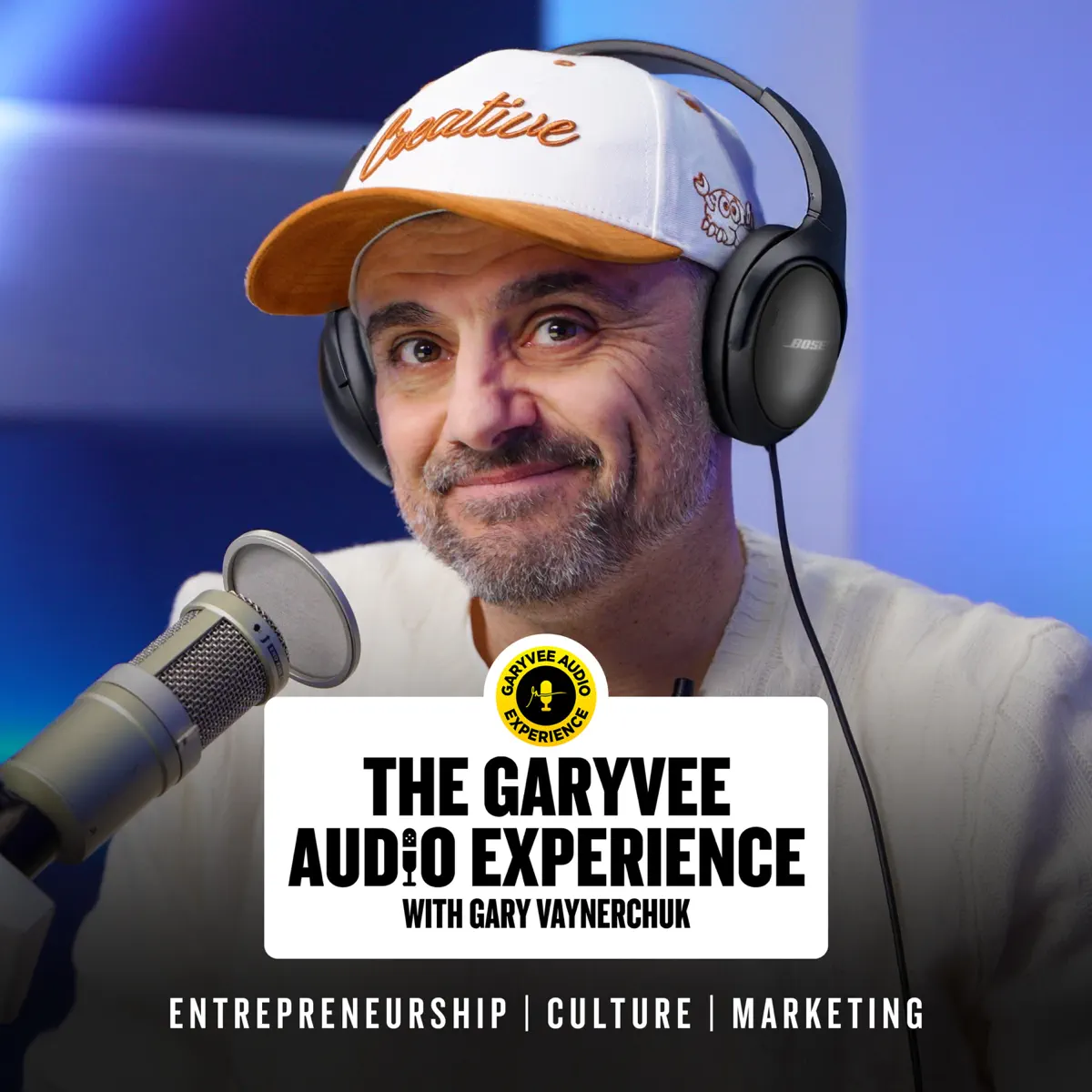
How To Build a Brand That Actually Wins In 2026 l Best Episodes of 2025
Timestamps are as accurate as they can be but may be slightly off. We encourage you to listen to the full context.
Podcast Summary
In this compelling episode, Gary Vaynerchuk, CEO of VaynerX and VaynerMedia, shares his unfiltered perspective on building a modern marketing empire. He discusses what makes VaynerMedia unique in the agency landscape: being independent at scale, integrating media and creative under one roof, and maintaining founder leadership even with thousands of employees globally. (00:44) Gary emphasizes that VaynerMedia focuses on social creative as the new creative AOR, believing that's where brands are actually built today. He also delves into VeeFriends, his intellectual property venture that serves as his creative outlet, allowing him to implement his vision without client constraints. (10:05) Throughout the conversation, Gary champions authenticity, accountability, and kindness in leadership while critiquing the traditional advertising industry for being stuck in outdated practices.
Speakers
Gary Vaynerchuk
Gary Vaynerchuk is the CEO and Chairman of VaynerX and VaynerMedia, and creator and CEO of VeeFriends. He built his father's wine business from 1998-2006, revolutionizing the industry with one of the first e-commerce sites and email newsletters, and gained fame through his YouTube show Wine Library TV. He was one of the first 25 people to reach a million followers on Twitter and became an early investor in Facebook and Twitter, which significantly impacted his career trajectory and financial success.
Key Takeaways
Lead with Authenticity Over Polish
Gary emphasizes that authentic partnerships and honest communication are essential for success. (12:39) He values clients who can discuss "the good, the bad, and the ugly" openly, rather than those who present false fronts. This authenticity extends to his content creation philosophy - he doesn't worry about background noise or perfect production because he believes authenticity matters more than polish. (26:00) This approach has led to stronger client relationships and better business outcomes because problems can be addressed directly rather than hidden until they explode.
Focus on Where Attention Actually Lives
Rather than following traditional advertising wisdom, Gary advocates for understanding where consumer attention really exists today. He learned this lesson as early as age 7-8 with his lemonade stand, where he discovered that strategic sign placement dramatically impacted sales. (30:36) He would obsessively watch cars drive by to see if drivers noticed his signs and adjust accordingly. Today, this translates to his "underpriced attention" philosophy - spending marketing dollars where you can get actual reach rather than potential reach, particularly on social platforms where audiences are actually engaged.
Build Culture Through Accountability and Kindness
Gary credits his mother with teaching him "purple" - a balanced approach between being too soft (blue) or too harsh (red). (09:03) She taught him accountability without sacrificing compassion, holding him responsible for poor grades while never making him feel unintelligent. This translates to his "Honey Empire" philosophy at VaynerMedia, treating people with "honey over vinegar" while still maintaining high standards. (19:58) He specifically seeks "wartime generals" - leaders who protect their teams during difficult times rather than passing down fear and pressure.
Embrace Trends as Consumer Insights
While many in the advertising industry dismiss trends as superficial, Gary sees them as valuable insights into consumer behavior and cultural shifts. (22:13) He argues that understanding why people change their preferences - from tight to baggy jeans, for example - reveals deeper psychological and social patterns that can inform breakthrough marketing strategies. (23:37) He points out that many dismissed "trends" like wearing sneakers in professional environments have actually become permanent cultural shifts, demonstrating the importance of paying attention to emerging patterns.
Prioritize Actual Results Over Industry Recognition
Gary strongly critiques the advertising industry's focus on awards and recognition rather than measurable business outcomes for clients. (25:56) He challenges the notion that TV commercials build culture, arguing instead that brands need to focus on social platforms where consumers actually spend their time and attention. (35:26) His team is built around actually wanting clients to sell products rather than creating work for their own portfolios or industry accolades, which creates a fundamental difference in motivation and approach.
Statistics & Facts
- VaynerMedia has created 16 Super Bowl commercials in the last 4-6 years, demonstrating their creative capabilities despite being primarily known for social media marketing. (01:02)
- Gary was one of the first 25 people in the world to reach one million followers on Twitter, establishing his early influence in social media. (17:18)
- During a three-hour live social shopping session for VeeFriends, Gary generated almost $200,000 in revenue selling hoodies, t-shirts, and socks, demonstrating the power of live social commerce. (27:16)



