Ask Me Anything — Figma, Dirty Jokes, Running for Office & More
Timestamps are as accurate as they can be but may be slightly off. We encourage you to listen to the full context.
Podcast Summary
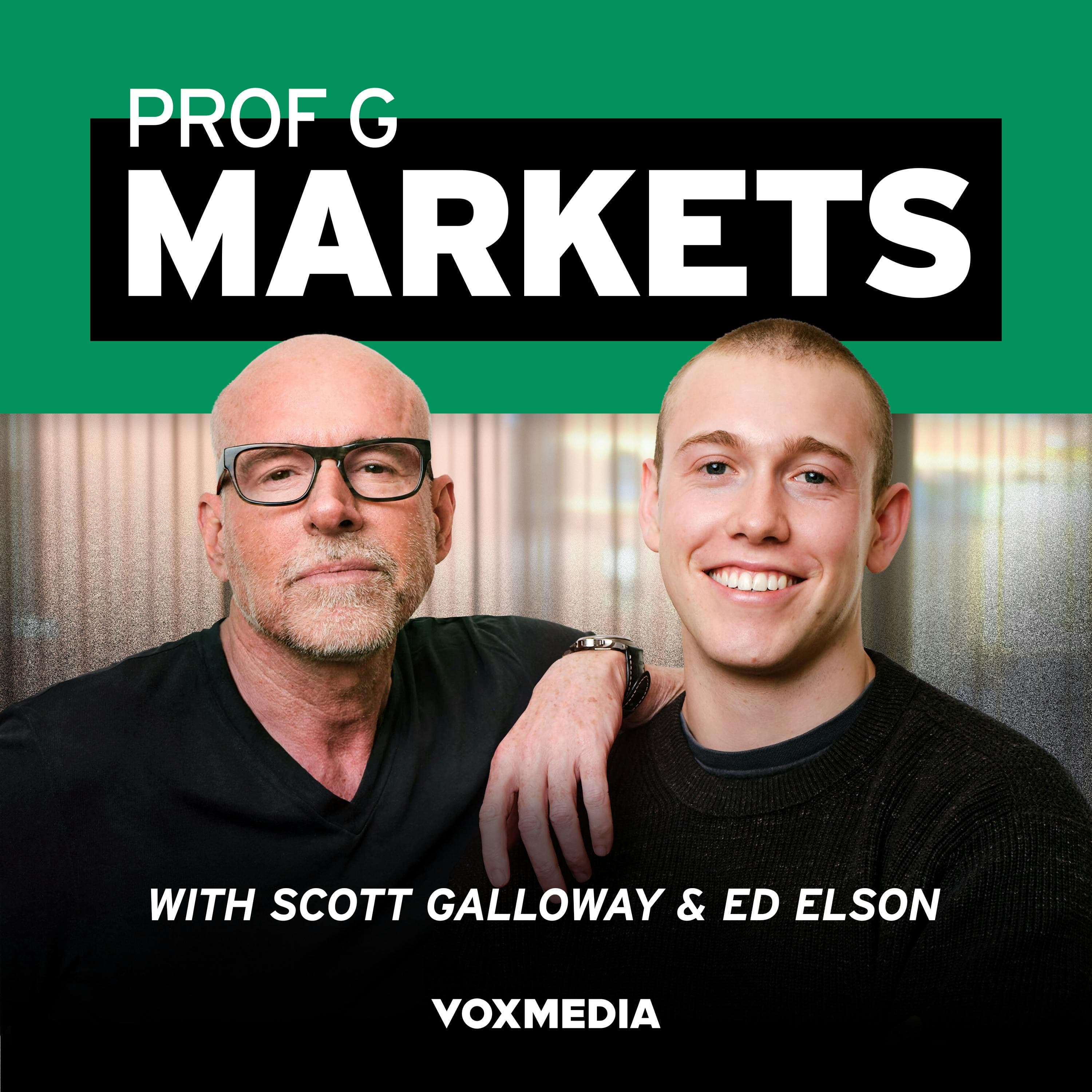
In this year-end Ask Me Anything episode, hosts Scott Galloway, Ed Elson, and producer Claire Miller tackle listener questions on everything from Scott's non-existent cooking skills to his investment in Inter Bogota soccer team. (04:05) The trio discusses their approaches to investment analysis, shares their biggest splurges, and addresses Scott's signature inappropriate humor. (17:25) Scott provides thoughtful advice about repairing difficult father-son relationships, while Ed emphasizes how the right romantic partnership can enhance rather than hinder career ambition. (45:35) The episode concludes with Scott definitively ruling out a 2028 presidential run, preferring to support other Democratic candidates instead. (54:00)
- Core themes include personal growth, investment philosophy, relationship dynamics, and political engagement while maintaining the show's signature blend of business insight and irreverent humor
Speakers
Scott Galloway
Scott Galloway is a professor, entrepreneur, and bestselling author who has founded multiple companies and serves as Professor of Marketing at NYU Stern School of Business. He recently published "Notes on Being a Man" and is known for his provocative takes on business, technology, and society across various media platforms.
Ed Elson
Ed Elson is the co-host and research lead for Prof G Markets, bringing analytical expertise to the show's financial and market coverage. He has developed a reputation for thorough investment analysis and thoughtful market commentary, particularly around IPOs and growth stocks.
Claire Miller
Claire Miller is the producer of Prof G Markets and has produced over 450 episodes of the show. She manages the show's editorial direction and logistics while also contributing insights during special episodes like this AMA format.
Key Takeaways
Develop Independent Conviction Through Primary Analysis
Ed Elson emphasized the importance of forming investment opinions based on your own analysis rather than following consensus views. (27:07) He referenced John Maynard Keynes' "beauty contest" theory, where investors try to predict what others will think rather than conducting their own analysis. This approach leads to groupthink and prevents the development of true conviction. The key is understanding what the consensus believes while forming your own independent view based on evidence and personal research. For professionals, this means doing the hard work of primary research rather than simply following what prestigious names or research reports suggest.
Remove Emotional Bias from Decision-Making
Scott Galloway shared his framework for making objective decisions by actively working to remove emotional bias and personal hopes from analysis. (29:35) He acknowledged struggling with proximity bias and confirmation bias, emphasizing the need to examine decisions "in a sterile way." This involves recognizing when you're backfilling analysis to support what you want to believe rather than what the evidence actually shows. The practical application involves creating mental distance from outcomes and focusing purely on available data and logical frameworks.
Relationships Should Enhance, Not Compete with Ambition
Both Scott and Ed argued that the right romantic relationship actually amplifies career focus and ambition rather than detracting from it. (45:06) Ed noted that being in a relationship makes you more structured about work requirements and more motivated to build long-term wealth. Scott added that relationships provide guardrails that make men better people, as having someone watching encourages better behavior and investment thinking. The key insight is that if a relationship feels like "a lot of work" when you're young, it's probably not the right relationship.
Consider Generational Context When Evaluating Parental Relationships
Scott provided nuanced advice about repairing difficult father relationships, suggesting people ask whether their father was a better parent than his own father was to him. (40:57) He cautioned against the tendency to "demonize one parent and sanctify the other" during family conflicts, noting that people are complex and flawed rather than purely good or evil. The practical framework involves considering what you'll regret not saying or doing after your parents are gone, while still protecting your own mental health and respecting legitimate grievances.
Focus on Your Highest Value Contribution Rather Than Ego
When discussing his potential political candidacy, Scott demonstrated the principle of identifying where you can create the most value rather than pursuing ego-driven opportunities. (54:00) Despite having a platform and following that could potentially win elections, he recognized that supporting and promoting qualified Democratic candidates would be a better use of his skills than running himself. This reflects a broader principle about self-awareness and strategic thinking about where your unique talents can have maximum impact rather than pursuing prestigious roles that others might handle better.
Statistics & Facts
- Scott spends $150,000 per month on private plane travel, which he attributes to being "deeply insecure" and having "an enormous fear of death." (15:57)
- Claire Miller has produced more than 450 episodes of Prof G Markets, meaning she's heard over 450 of Scott's inappropriate jokes. (18:08)
- Figma grew revenue at 38% with 131% net dollar retention, meaning existing customers are paying more year over year, despite the stock dropping 70% from its peak. (32:38)



