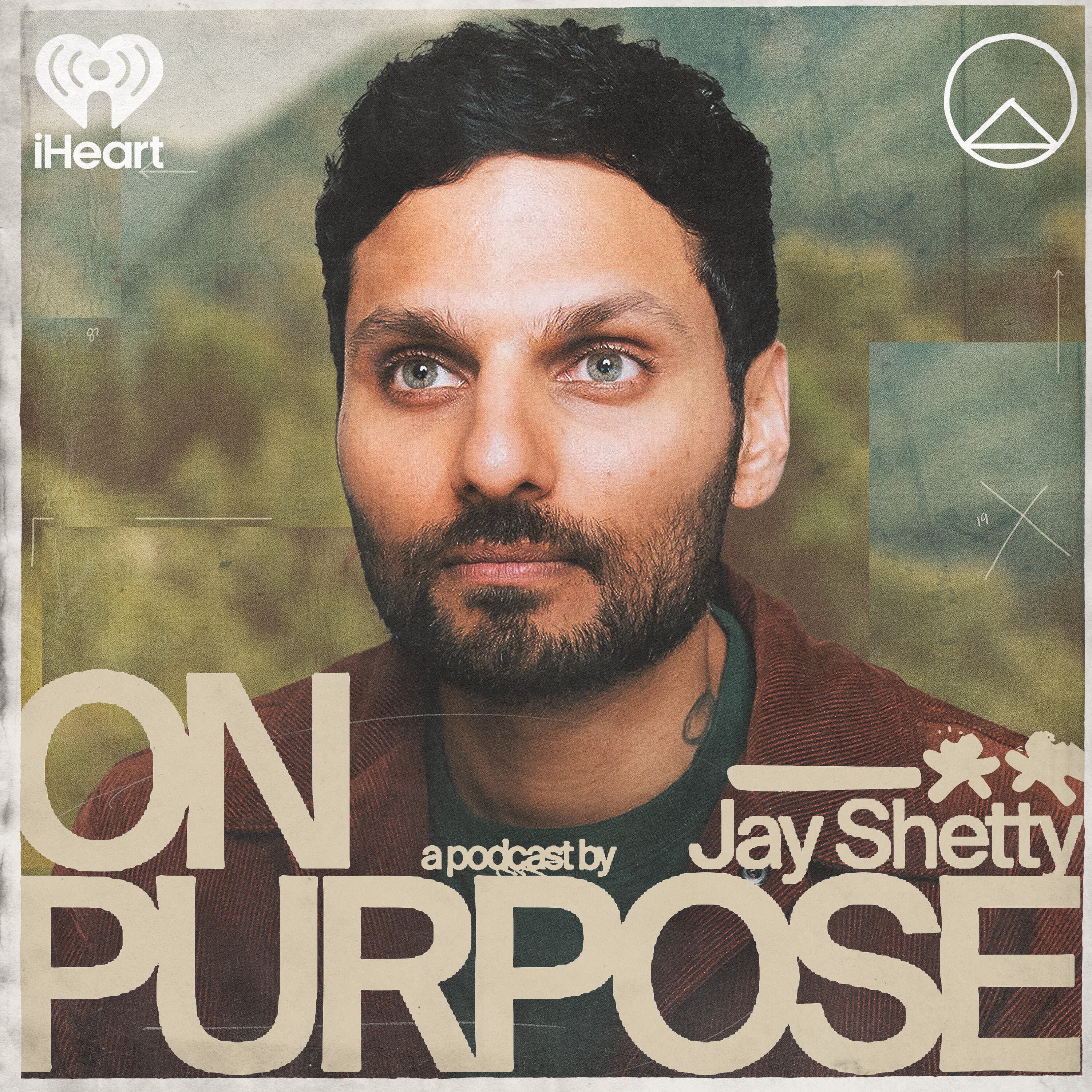
Rob Dial: Want to Actually Achieve Your Goals in 2026? Use THIS Action-Based Goal System to Get Back on Track (Even If You Fall Off!)
Timestamps are as accurate as they can be but may be slightly off. We encourage you to listen to the full context.
Podcast Summary
In this powerful conversation between Jay Shetty and Rob Dial, they dive deep into the psychology of discipline, consistency, and creating lasting change. Rob reframes discipline as the ultimate form of self-love, explaining that you only need discipline for things that are good for you, never for things that harm you. (03:37) The discussion reveals why most people stay stuck despite knowing what they should do, and provides a clear roadmap for breaking free from old patterns. • Core themes include transforming your relationship with discipline, the neuroscience of willpower, designing environments for success, and why consistency matters more than perfection in building the life you want.
Speakers
Jay Shetty
Jay Shetty is the host of the #1 health and wellness podcast "On Purpose," author of multiple bestselling books, and a former monk who spent three years in ashrams across India and Europe. He has become one of the most influential voices in wellness and personal development, helping millions transform their mindset and habits through ancient wisdom applied to modern life.
Rob Dial
Rob Dial is a leading mindset coach and host of "The Mindset Mentor" podcast, which has reached millions of listeners worldwide over nearly a decade. He transformed his own life from being a surfer and stoner to becoming a successful entrepreneur and personal development expert, specializing in helping people overcome self-limiting beliefs and build consistent habits that lead to lasting change.
Key Takeaways
Discipline Is the Ultimate Form of Self-Love
Rob fundamentally reframes discipline as an act of self-respect rather than self-punishment. (03:37) You never need discipline to do things that are bad for you – sleeping in, avoiding the gym, eating poorly – these come naturally. Discipline is only required for actions that benefit your future self. When you choose the harder path today, you're expressing love for who you're becoming. This mindset shift transforms discipline from a burden into a gift you give yourself, making it easier to maintain long-term consistency in areas like fitness, career development, and personal growth.
Design Your Environment to Eliminate Willpower Battles
The most successful people don't rely on superior willpower – they create environments that make good choices automatic. (47:37) Rob admits that if there's a bag of Skittles in his house, it's gone that day, but if he doesn't buy them, he doesn't eat them. This principle applies to all areas of life: put your workout clothes next to your bed, set your coffee maker on a timer, keep your phone in another room when working. Instead of testing your willpower daily, design your surroundings to support your goals effortlessly.
Follow the Hummingbird Approach to Purpose
Rather than pressuring yourself to find a lifelong purpose, adopt a hummingbird mentality – moving from interest to interest every 2-3 years. (16:22) Rob's journey from sales to music to podcasting illustrates how seemingly disconnected experiences eventually align to create your true calling. The universe has a way of connecting all your past experiences when you follow genuine curiosity. This approach removes the overwhelming pressure of finding "the one thing" and allows you to collect skills and experiences that will later prove invaluable.
Create Daily Action-Based Goals Instead of Result-Based Goals
Most people set result-based goals like "lose 40 pounds" then feel defeated when they don't see immediate progress. (59:32) Rob recommends setting the result-based goal but focusing daily on action-based goals – "I walked through the gym door today" becomes a victory worth celebrating. This creates a dopamine reward system that makes you want to repeat positive behaviors. By celebrating small daily actions, you build momentum and fall in love with the process rather than fixating on distant outcomes.
Focus on One Thing for 100 Days
Instead of trying to change everything at once, Rob advocates focusing on one habit for 100 days. (46:05) Since it takes 66-100 days to form a habit, this timeline gives you the best chance of creating lasting change. Most high-performers want to tackle multiple goals simultaneously, but this is often an ego trap that leads to failure. Whether it's posting content daily, working out, or learning a new skill, commit to one thing completely. Even if you only achieve it 50% of the time, that's still substantial progress that builds the foundation for your next 100-day focus.
Statistics & Facts
- It takes between 60-100 days on average to create a new habit, 12-18 months to change your lifestyle, and 3-4 years to change your identity. (44:50) Rob explains this timeline helps people give themselves grace when building new behaviors and understand that lasting change is a marathon, not a sprint.
- Professional athletes have a larger than average anterior mid cingulate cortex (the brain region associated with discipline and willpower) not because they were born that way, but because they grew it through consistent practice. (05:31) This shows that discipline is like a muscle that can be developed through regular exercise.
- 75-80% of lottery winners return to their previous financial situation within five years, and 90-95% of people who lose 20 pounds gain it back within two years. (45:52) This demonstrates that without changing your identity and core habits, temporary changes rarely stick long-term.



