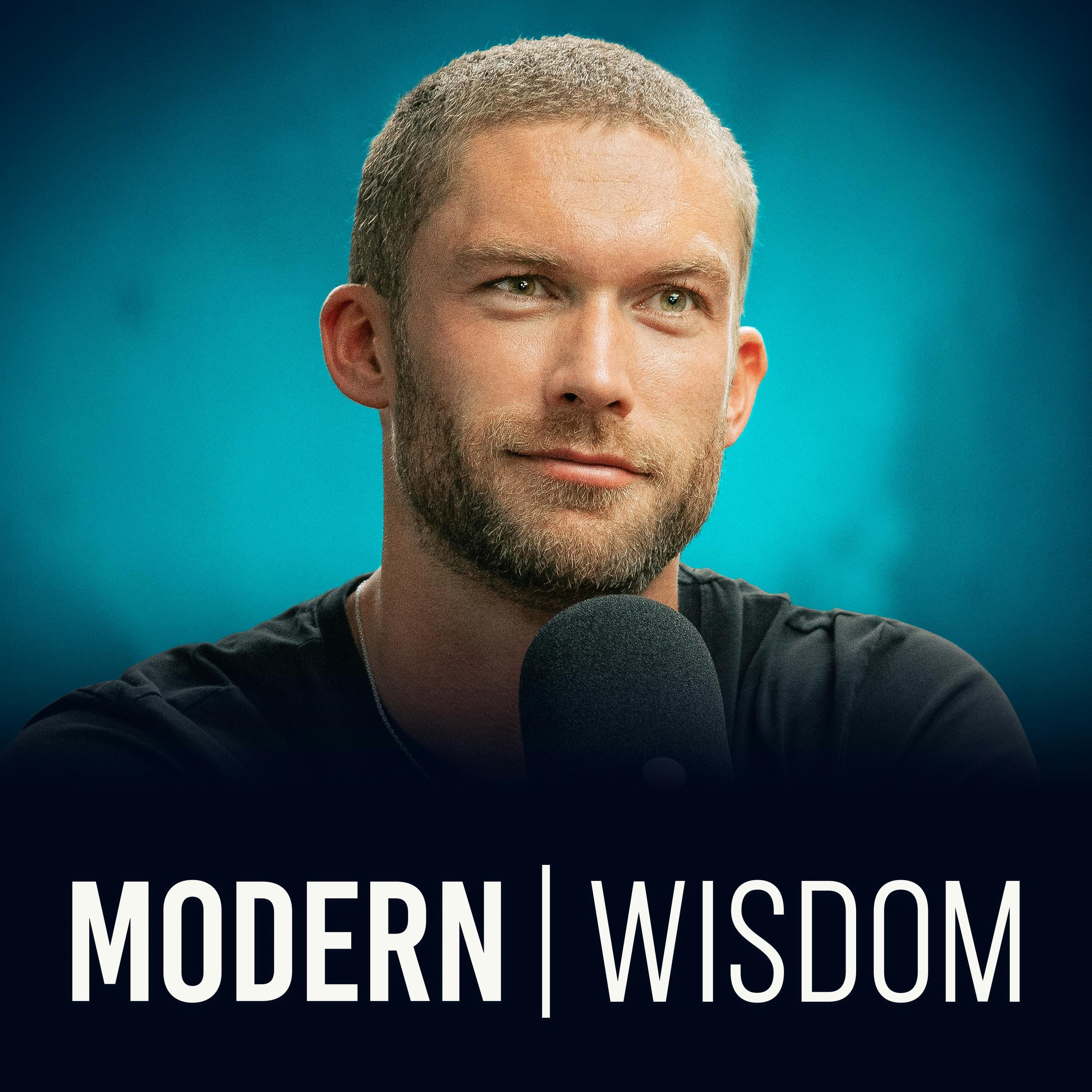
#998 - Zack Telander - Everything You Want Is On The Other Side Of Cringe
Timestamps are as accurate as they can be but may be slightly off. We encourage you to listen to the full context.
Podcast Summary
In this deeply personal conversation, Chris Williamson sits down with his best friend Zach Talander for a wide-ranging discussion about authenticity, cringe culture, and the balance between ambition and gratitude. The episode explores how modern commentary culture discourages sincerity and how the fear of being labeled "cringe" prevents people from pursuing their dreams. (00:53) Zach introduces the powerful concept that "everything you want is on the other side of cringe," setting the stage for an exploration of vulnerability in the digital age.
- Main themes: The episode centers on the tension between external validation and internal fulfillment, the courage required for authentic self-expression, and how to maintain both gratitude for the present while pursuing ambitious goals.
Speakers
Chris Williamson
Chris Williamson is the host of Modern Wisdom, one of the world's most popular podcasts with millions of downloads. A former reality TV star turned entrepreneur and content creator, Chris has built a media empire focused on helping ambitious professionals optimize their lives. He's known for his analytical approach to personal development and his ability to extract actionable insights from complex topics.
Zach Talander
Zach Talander is a musician, content creator, and Chris's best friend who has gained significant social media following through authentic storytelling and music. Recently became a father and has been documenting his journey of running for 100 consecutive days. Known for his vulnerability and willingness to share personal struggles while pursuing his dreams in the music industry.
Key Takeaways
Embrace the Courage to Be Cringe
Zach argues that people who call others "cringe" have essentially given up on their own hopes and dreams. (01:21) The critics use irony as both a weapon and shield, attacking those who dare to pursue something meaningful while protecting themselves from vulnerability. The key insight is that everyone has hopes and dreams, but critics have made the decision to abandon theirs because pursuing them feels too "cringe." The antidote is recognizing that your dreams are only accessible to critics when they're sleeping - so make sure they keep watching you pursue yours when they're awake.
Balance Gratitude and Ambition Through Dualistic Thinking
Zach reveals his discovery of being both "gratitude maxed" and "dream pilled" simultaneously. (05:14) After becoming a father, he learned to hold two seemingly opposing forces: ultimate gratitude for small moments (like sharing a Fanta with a best friend or clinking margarita glasses while watching Stand By Me) while simultaneously pursuing ambitious goals harder than ever before. The key is not choosing one over the other but deliberately placing equal investment in both approaches, even though they may detract from each other.
Authenticity Cannot Be Performed
Research shows that trying to be cool usually backfires because coolness is fundamentally about autonomy and being unconcerned with fitting in. (53:22) If people think you're trying to be cool, you lose credibility immediately. Chris shares how he felt shame for finding joy in small things like making a gym towel shot into a laundry basket, worried it reflected a "small life." The solution is embracing your authentic responses to life rather than performing what you think others want to see.
Use Your Senses to Ground Gratitude Practice
When the mind constantly focuses on "what's next," using your senses becomes a powerful grounding technique. (09:01) Chris explains how his brain defaults to "how are we gonna make our dreams come true?" all day, every day. Zach's practical advice is to actively engage with sensory experiences - the miracle of cold water when thirsty, the amazement of fresh sushi flown from Japan, or the simple pleasure of pressing a button and having your favorite meal delivered. This reverse engineering of joyful moments helps maintain presence while still pursuing ambitious goals.
Master the Oxford Manner for Intellectual Courage
The Oxford Manner refers to the ability to play gracefully with ideas without being immediately shut down for lack of perfect expertise. (24:20) Chris introduces Eric Weinstein's concept of an "accuracy budget" - earning credibility through contributions in your areas of expertise, then being able to withdraw from that budget when exploring ideas outside your domain. The problem with "experts only" culture is it prevents cross-pollination of insights between fields and discourages intellectual exploration, which is essential for innovation and understanding.
Statistics & Facts
- Zach gained 30,000 followers and received 19.9 million views in 30 days by posting personal reflections rather than music content. (60:22) This highlights the paradox that authentic personal content often outperforms polished professional material on social media platforms.
- Magnus Midtpø, a professional rock climber, achieved a VO2 max of 59 despite training only 14 days for the Norseman triathlon and finished 79th out of hundreds of competitors. (67:58) This demonstrates the incredible baseline fitness level of elite athletes across different disciplines.
- Research across 12 countries and 5,000+ participants found universal agreement on what makes someone "cool": being extroverted, hedonistic, powerful, adventurous, open, and autonomous. (43:53) This suggests coolness serves an adaptive social function for identifying innovative, boundary-pushing individuals.



