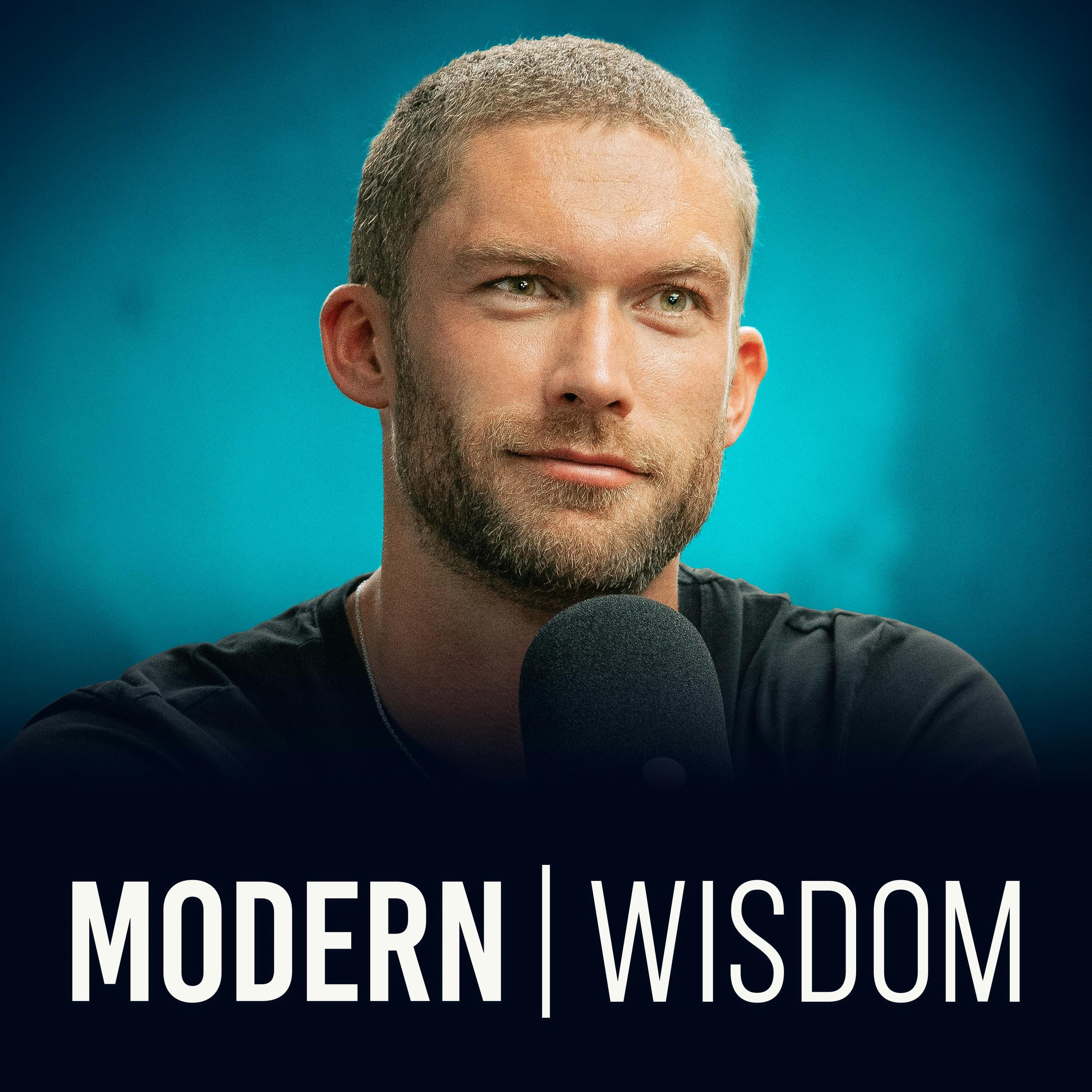
#1005 - Warren Smith - J.K. Rowling & The Cost of Speaking Freely
Timestamps are as accurate as they can be but may be slightly off. We encourage you to listen to the full context.
Podcast Summary
In this compelling episode, Warren Smith shares the remarkable story of how a simple classroom exchange about JK Rowling transformed his life from anonymous educator to prominent content creator. (04:28) The conversation explores the viral moment that led to his firing from Emerson College and launched his YouTube career, examining the broader cultural implications of campus speech restrictions and political polarization. Smith and host Chris Williamson dive deep into themes of narrative thinking, the nature of objective truth versus postmodern relativism, and the concerning rise in support for political violence among young people. The discussion reveals how our culture has become increasingly fragmented, with people unable to engage in rational discourse across ideological lines.
- Main themes: The weaponization of language in academia, the breakdown of civil discourse, the power of narrative in shaping reality, and the urgent need for authentic conversations in an increasingly polarized society
Speakers
Warren Smith
Warren Smith is a content creator and former educator who gained prominence after a classroom discussion about JK Rowling went viral, leading to his departure from Emerson College where he taught multimedia content creation. He has since built a successful YouTube channel called "Secret Scholars Society" where he analyzes cultural and educational trends, particularly focusing on postmodernism's impact on higher education and free speech issues.
Chris Williamson
Chris Williamson is the host of Modern Wisdom, one of the world's most popular podcasts focusing on psychology, philosophy, and human performance. A former reality TV star turned entrepreneur and podcaster, he has interviewed over 1,000 guests and built a platform known for thoughtful, long-form conversations about complex topics.
Key Takeaways
Adversity Creates Compelling Narratives
Smith reflects on how his firing became the defining challenge that shaped his trajectory, comparing it to the hero's journey in storytelling. (08:56) He realized that obstacles make stories compelling, referencing how David Beckham's documentary was engaging during his struggles but became boring when his son succeeded without adversity. Smith wouldn't change anything about his difficult experience because it provided the necessary conflict to drive his personal narrative forward. This demonstrates how reframing setbacks as character-building moments can transform victim mentality into growth mindset.
Conversations Prevent Violence
The breakdown of civil discourse directly correlates with increased political violence, as Smith notes: "when conversations are not allowed to occur, it only makes the problem worse." (12:22) He emphasizes there are only two forms of impactful communication: words and violence. When rational dialogue is shut down through shouting, deplatforming, or social pressure, people resort to more extreme measures. The solution requires creating spaces where difficult topics can be discussed logically, step by step, even when emotions run high.
Objective Truth Exists Despite Postmodern Denial
Smith argues against postmodern relativism by asserting there is an objective "fabric of reality" that serves as a standard for evaluating different approaches to any situation. (34:26) He believes that in parallel universes, you could measure outcomes of different actions and determine which approach produces the best results. This contrasts sharply with therapeutic approaches that avoid making judgments about behavior, instead affirming all perspectives as equally valid. Having a target to aim for, even if imperfect, is essential for human progress.
Words Are Just Tools for Deeper Communication
Beyond verbal communication lies a vast realm of nonverbal information including body language, emotional state, and subtext. (13:43) Smith explains how actors like Matthew McConaughey excel by focusing on everything beyond the memorized script. Most digital communication loses this crucial layer, forcing people to hypertrophy their verbal skills while atrophying their ability to read emotional context and nonverbal cues. This creates low-resolution interactions that miss the majority of what humans naturally communicate to each other.
Fame Creates Dehumanization Threshold
Once public figures reach a certain level of exposure, many people stop seeing them as humans and instead view them as representatives of ideologies or narratives. (62:01) This threshold effect allows people to say and do things to celebrities they would never do to their neighbors. Smith observes how this dehumanization contributes to political violence, as individuals become symbols rather than people with feelings, families, and vulnerabilities. The solution requires maintaining empathy even for public figures we disagree with.
Statistics & Facts
- 47% of Gen Z agree that violence can be justified to advance a political goal, compared to only 22% of boomers. (16:17) This represents a massive generational divide in attitudes toward political violence.
- 38% of US college students in 2025 said violence is acceptable to prevent hate speech on campus, with 71% accepting of shouting down speakers and 54% supporting physically blocking other students from attending campus speeches. (16:26) These numbers show the extent to which free speech principles have eroded on college campuses.
- The percentage of students who support using violence to stop campus speech increased 10 points from 2021, rising from 24% to 34%. (16:22) This upward trend suggests the problem is getting worse rather than better.



