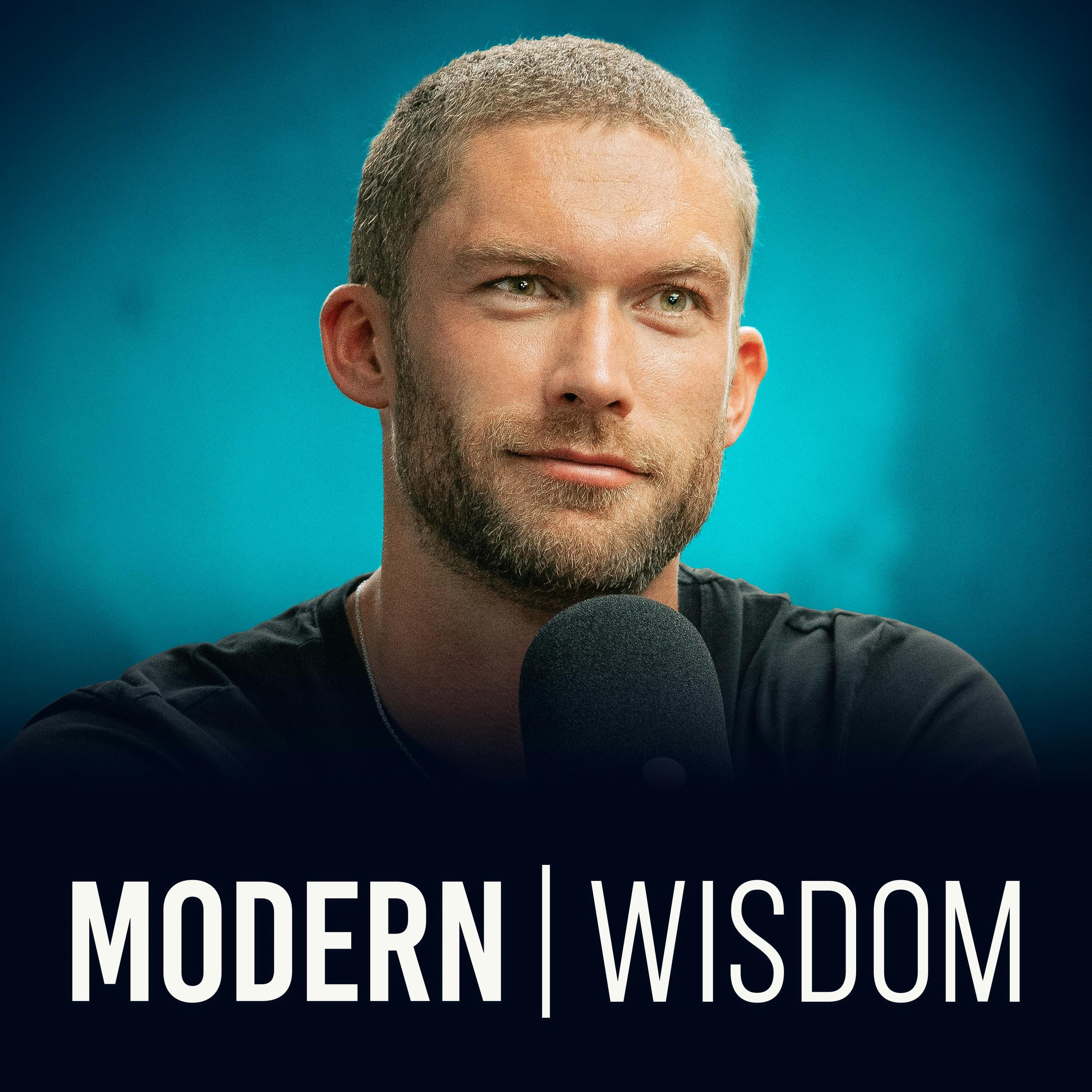
#1000 - Matthew McConaughey - The Art of Living a Courageous Life
Timestamps are as accurate as they can be but may be slightly off. We encourage you to listen to the full context.
Podcast Summary
In this milestone 1,000th episode of Modern Wisdom, Matthew McConaughey joins Chris Williamson for a wide-ranging conversation about life, faith, and personal growth. McConaughey discusses his new book "Just Because" and explores profound themes around belief, masculinity, forgiveness, and the pursuit of meaning. (00:00)
- Core themes include the balance between self-reliance and faith, the importance of taking risks over playing it safe, and the distinction between being a "nice guy" versus a "good man"
Speakers
Matthew McConaughey
Academy Award-winning actor known for films like Dallas Buyers Club, True Detective, and Interstellar. Author of the bestselling memoir "Greenlights" and his latest book "Just Because." McConaughey has evolved from romantic comedy roles to dramatic performances, deliberately taking a career hiatus to pursue more challenging work. He's also a professor at the University of Texas and a thoughtful philosopher on life and meaning.
Chris Williamson
Host of the Modern Wisdom podcast, which has reached over a billion views. This marks his 1,000th episode after seven and a half years of conversations with thought leaders, athletes, and intellectuals. Williamson is known for his thoughtful questioning and ability to explore complex topics around human nature, psychology, and personal development.
Key Takeaways
Embrace the Courage to Pause and Reflect
McConaughey emphasizes that true courage isn't just about persistence and getting back up after failure. (54:16) He explains there's also "the courage to go, no, I'm gonna let some people pass me in the race right now because I'm gonna look at why I keep stepping in that damn same pothole and twisting my ankle." This wisdom came from his decision to step away from romantic comedies despite their financial success. Rather than continuing to repeat the same patterns, he chose to examine why he wasn't getting the dramatic roles he wanted. This type of reflective courage requires temporarily sacrificing progress to understand underlying patterns and make meaningful changes.
Model the Rise, Not the Result
When seeking to emulate successful people, focus on what they did during their ascent rather than their current lifestyle. (26:46) As Williamson puts it, "Do not ask Warren Buffett about how long he spends reading the newspaper and pouring over old books. That guy was a hustler. He was a hustler when he was young." McConaughey agrees, noting that everyone who achieved something great was "some sort of outlaw" and "some sort of hustler" during their rise. The mistake people make is trying to imitate the balanced, successful person's current routine rather than understanding the imbalanced, intense work that got them there. This requires studying the approach and sacrifice, not the comfortable result.
Take More Risks to Avoid Spiritual Complacency
McConaughey argues that taking eight big risks and achieving seven is better than taking 100 small risks and achieving eight. (28:40) He suggests that if you're not taking enough risks to occasionally "sin or miss the mark," you're playing too safe. This philosophy challenges the modern tendency toward risk aversion and safe choices. The actor applied this when he turned down a $14.5 million romantic comedy role, risking his entire career for the chance at more meaningful work. This principle suggests that spiritual and personal growth requires discomfort and the possibility of failure, rather than the false security of guaranteed mediocrity.
Distinguish Between Being Nice and Being Good
A "nice guy" gets along with everyone and avoids conflict, while a "good man" has clear principles he'll defend. (70:51) McConaughey explains: "A good man has ideals that they stand for and they'll stand against and when they're tested, a good man is not a nice guy." This distinction became crucial when he felt his romantic comedy roles only allowed him to be the agreeable "nice guy" while his personal life demanded the strength of being a "good man." A good man isn't looking for trouble but won't back down when his values or loved ones are threatened. This requires the uncomfortable work of defining your non-negotiable principles and accepting that defending them may make you less universally liked.
Practice Owner's Mentality Over Renter's Mentality
McConaughey advocates approaching relationships and commitments with an "owner's mentality" rather than a "renter's mentality." (32:05) He explains that many people approach relationships transactionally, always ready to "flip it" rather than investing in long-term potential. When hiring, he only brings on people he hopes could be "lifers," even though most won't be. This mentality creates deeper connections and better outcomes because people can sense your level of commitment. It means entering relationships, jobs, and projects with the intention of building something lasting rather than just extracting short-term value. This approach paradoxically often leads to better results even in shorter-term engagements.
Statistics & Facts
- This is episode 1,000 of the Modern Wisdom podcast, recorded after seven and a half years. (00:00) The show has crossed over a billion views, representing a significant milestone in podcast achievements.
- McConaughey turned down a $14.5 million romantic comedy offer during his career transition. (59:07) This financial sacrifice was part of his strategy to move away from being typecast in romantic comedies toward more serious dramatic roles.
- McConaughey spent about 20 months away from Hollywood during his rom-com hiatus before dramatic roles started coming to him. (60:01) This extended period was necessary to change public perception and create demand for him in different types of roles.



