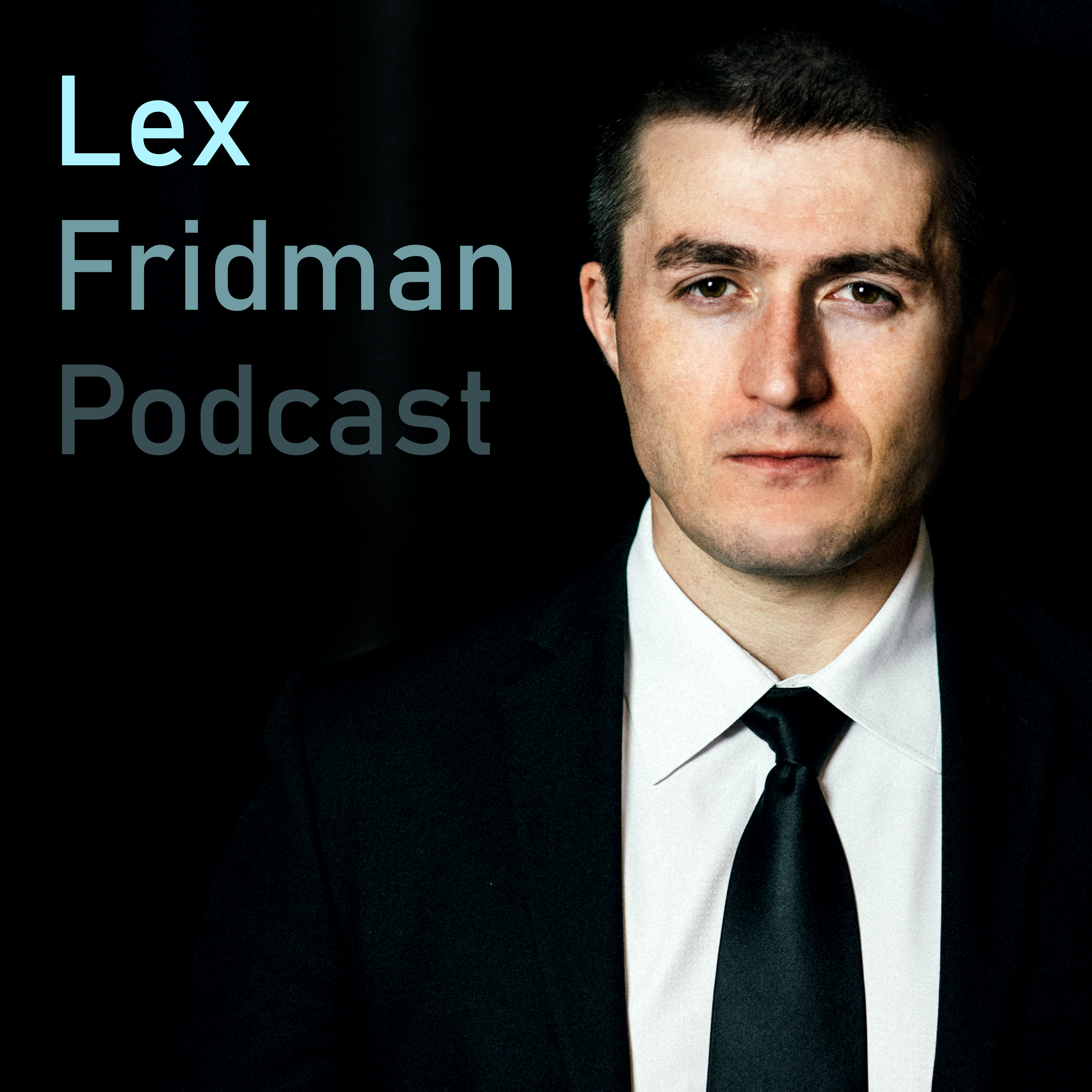
The high-growth handbook: Molly Graham’s frameworks for leading through chaos, change, and scale
Timestamps are as accurate as they can be but may be slightly off. We encourage you to listen to the full context.
Podcast Summary
In this podcast episode, Molly Graham shares her most impactful frameworks for leading through rapid growth and constant change. (04:28) Graham draws from her extensive experience scaling teams at Google, Facebook, Quip, and the Chan Zuckerberg Initiative, where she witnessed companies grow from hundreds to thousands of employees while revenue soared from millions to billions. The conversation centers around practical tools for ambitious professionals navigating hypergrowth environments, including her famous "Give Away Your LEGOs" framework, the J-curve vs. stairs approach to career growth, and the waterline model for diagnosing team problems.
- Main Theme: Essential mental models and frameworks for leaders operating in rapidly scaling companies who need to evolve as quickly as their organizations grow.
Speakers
Molly Graham
Molly Graham has worked for some of tech's most effective leaders, including Mark Zuckerberg, Sheryl Sandberg, Chamath Palihapitiya, and Bret Taylor. She was an early employee at Google and spent five years at Facebook during their explosive growth from 80 million to over a billion users. Today she leads Glue Club, a community for leaders navigating rapid scale, growth, and change, and is best known for her "Give away your Legos" framework and collection of practical mental models for leading through hypergrowth.
Lenny Rachitsky
Lenny Rachitsky is the host of Lenny's Podcast and author of Lenny's Newsletter, focusing on product management, growth, and startup insights. He previously worked as a Senior Product Manager at Airbnb and has become one of the most respected voices in the product and startup community.
Key Takeaways
Master the Art of Giving Away Your LEGOs
Graham's most famous framework involves treating your role like building with LEGOs - you start building houses, get good at it, then must pass it off to build neighborhoods, then cities. (11:29) The emotional challenge comes when you've mastered something and feel territorial about "your" work. However, staying stuck building houses while the company needs city planners leads to being buried under opportunities. The key insight is that rapid growth requires constantly rehiring yourself every few months, evolving as fast as your company grows. Graham emphasizes that these territorial emotions are normal but not useful - she calls this inner voice "Bob" and advises giving any major emotional reaction two weeks before acting on it.
Choose J-Curves Over Stairs for Exponential Career Growth
Rather than climbing predictable career stairs with promotions every two years, Graham advocates for jumping off cliffs into challenging roles you're unqualified for. (23:25) This approach, inspired by Chamath Palihapitiya's whiteboard drawing, involves a 6-9 month falling period where you feel incompetent, followed by climbing out to places stairs could never reach. When Graham moved from HR to mobile hardware at Facebook, she spent six months feeling like an idiot before becoming an expert. The key is distinguishing between financial fear (which requires practical math) and capability fear (which signals growth opportunity). This j-curve approach unlocks skills and opportunities that traditional career paths never provide.
Snorkel Before You Scuba When Diagnosing Team Problems
The waterline model treats teams like boats trying to reach goals, with problems existing below the surface. (38:30) Rather than immediately blaming people issues (the deepest level), start with structural problems: unclear roles, expectations, and goals. Graham estimates 80% of team dysfunction stems from people not knowing their job description or success metrics. The four levels descending are: structural (goals, roles), dynamics (team culture, decision-making), interpersonal (relationships between people), and intrapersonal (individual challenges). Most managers rush to the bottom levels, but the solution usually lies in clarifying basic structures. As Graham puts it: "Your only goal as a manager is clear roles and clear expectations."
Implement the Six Rules for Bulletproof Goal Setting
Effective goals serve as communication tools, not complex spreadsheets. (47:30) Graham's six rules include: never more than three company goals (Facebook used growth/engagement/revenue for five years), one goal must win in conflicts (engagement trumped growth at Facebook), explain goals simply enough for Monday interns to understand, strategy should hurt through painful trade-offs, assign one owner per goal, and build follow-up processes since winners and losers have identical goals. The key insight is that goals without execution systems fail - you must create accountability mechanisms and learning loops. Companies often fail by creating hundred-line goal spreadsheets that confuse rather than clarify priorities for daily decision-making.
Serve the Business, Not Individual People
When facing difficult leadership decisions like firing or reorganization, optimize for business success rather than individual comfort. (68:32) Graham's mantra "serve the business, not the people" recognizes that everyone benefits from a wildly successful company. This framework helps cut through emotional complexity and political situations by asking: "What's the right thing for the business?" A practical approach is asking yourself what you'd do if emotions weren't involved, then executing that decision while communicating with maximum kindness. This principle extends to investing energy in high performers rather than spending disproportionate time on struggling employees, as high performers represent the future potential of the organization.
Statistics & Facts
- Facebook grew from 80 million users and 500 employees to over 1 billion users and 5,500 employees during Graham's five-year tenure, with revenue growing from $270 million to $5 billion. (07:08)
- Graham estimates that 80% of team problems stem from structural issues like unclear roles and expectations rather than interpersonal conflicts. (41:17)
- Companies should avoid growing headcount more than 100% annually, with 50% being the optimal growth rate and anything beyond doubling leading to significant operational challenges. (78:25)