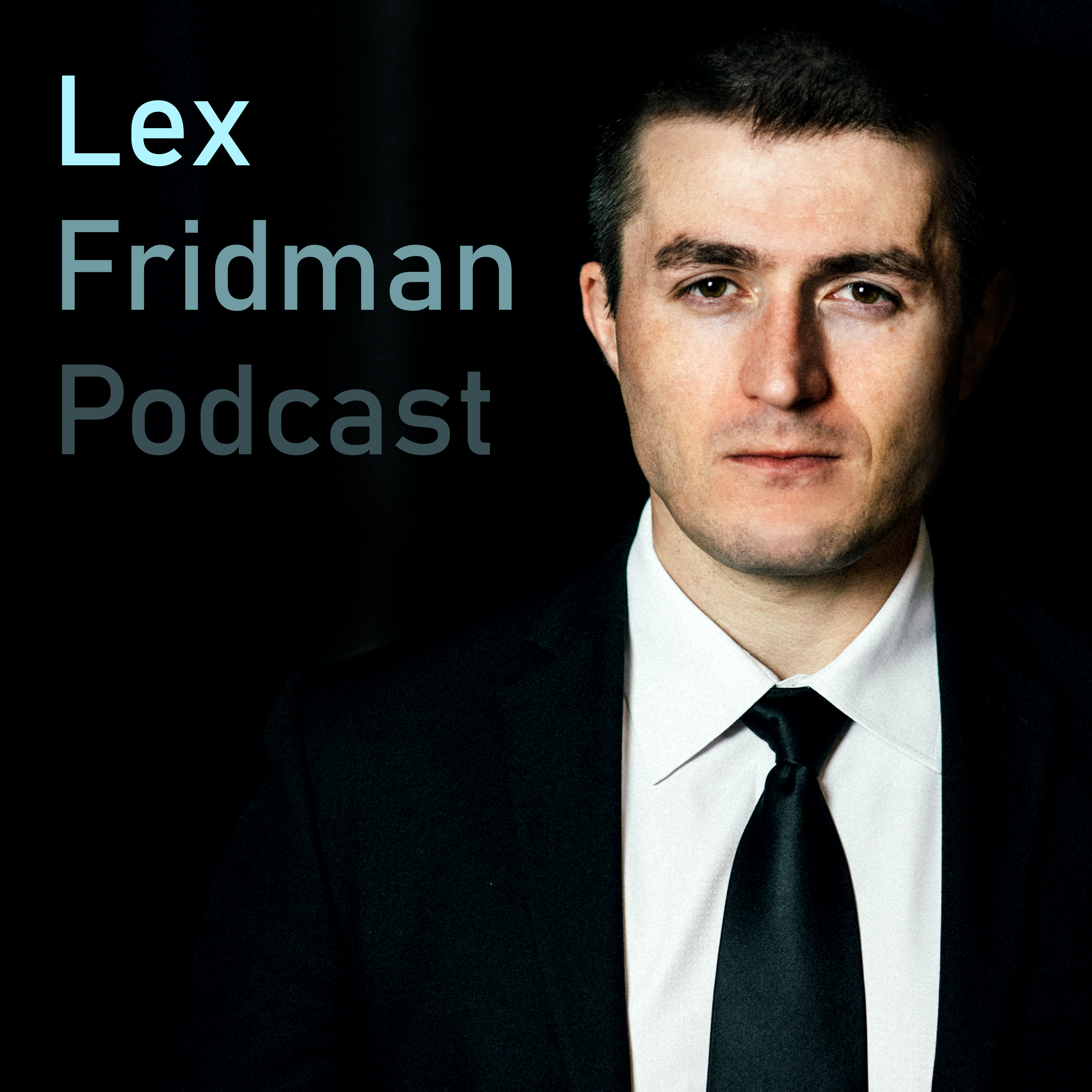
How Block is becoming the most AI-native enterprise in the world | Dhanji R. Prasanna
Timestamps are as accurate as they can be but may be slightly off. We encourage you to listen to the full context.
Podcast Summary
In this captivating episode, Dhanji R. Prasanna, CTO of Block, shares his journey from writing an "AI manifesto" to Jack Dorsey that led to his promotion, to transforming Block into one of the most AI-native large companies in the world. (05:26) Dhanji reveals how their internal open-source agent called Goose is saving employees 8-10 hours weekly, discusses the organizational changes that made this transformation possible, and provides insights into the future of AI-augmented work.
- Main themes: AI transformation at enterprise scale, organizational structure's impact on technology adoption, the development and impact of Block's open-source AI agent Goose, and practical lessons for companies looking to become more AI-native
Speakers
Dhanji R. Prasanna
Chief Technology Officer at Block (formerly Square), where he manages more than 4,000 engineers. Under his leadership, Block has become one of the most AI-native large companies in the world. Before becoming CTO, Dhanji wrote an "AI manifesto" to CEO Jack Dorsey that sparked a company-wide transformation and led to his promotion to CTO.
Lenny Rachitsky
Host of Lenny's Podcast and author of Lenny's Newsletter, focusing on product management, growth, and startup advice for ambitious professionals.
Key Takeaways
Organizational Structure Drives Technology Adoption
Dhanji emphasizes that Conway's Law - "you ship your org structure" - is incredibly powerful when implementing AI transformation. (09:09) Block moved from a GM structure where different business units (Square, Cash App, Afterpay) operated independently with separate engineering teams, to a functional structure where all engineers report to one engineering leader. This change was essential for driving AI adoption company-wide because it created singular focus and allowed for shared tools, policies, and technical strategy across all teams.
Start with Leadership Using the Tools Daily
The most effective way to drive AI adoption throughout an organization is for leadership to use the tools themselves every single day. (54:04) Dhanji notes that Jack Dorsey, himself, and the entire executive team use Goose regularly, which gives them deep understanding of the tools' strengths, weaknesses, and ergonomics. This hands-on approach is far more effective than reading articles and then trying to get teams to follow suit - you need to "feel it, use the product yourself" to understand how to apply it organizationally.
Non-Technical Teams Benefit Most from AI Tools
Surprisingly, the teams seeing the most dramatic productivity gains aren't the engineering teams, but non-technical teams using AI agents and programming tools to build their own solutions. (49:55) Enterprise risk management teams are building entire self-service systems, compressing weeks of work into hours, rather than waiting for internal app teams to put requests on quarterly roadmaps. This represents a fundamental shift in how work gets done across organizations.
Focus on Human Taste and Judgment Over Technical Perfection
Code quality has almost nothing to do with product success, as demonstrated by YouTube's early architecture storing videos as blobs in MySQL while being far more successful than Google Video, which was technically superior. (62:03) The key insight is that human taste and judgment matter more than technical perfection - AI needs to be anchored by human taste to avoid "AI slop" and ensure outputs are meaningful, tasteful, and valuable to real people solving real problems.
AI Should Work Continuously, Not Just During Human Hours
The future of AI-augmented work involves agents working autonomously for hours rather than minutes, including overnight and weekends when humans aren't available. (32:42) Rather than the current "ping pong" model where you ask for something and wait 3-4 minutes for a half-baked response, Dhanji envisions describing multiple experiments in detail, going to sleep, and waking up to find all experiments built and ready for evaluation - allowing teams to experiment with multiple approaches simultaneously rather than choosing just one path.
Statistics & Facts
- Engineering teams using Goose daily are reporting 8-10 hours saved per week, with Block trending toward 20-25% of manual hours saved across the entire company (not just engineering teams). (16:37) This metric is self-reported but validated through multiple check metrics including PRs, feature throughput, and data scientist analysis.
- Block has over 4,000 engineers under Dhanji's leadership, making it one of the largest engineering organizations to undergo such a comprehensive AI transformation. (01:37)
- Goose's median session length is 5 minutes with an average of 7 minutes, but the team is working to push this to hours of autonomous work rather than short interactive sessions. (33:33)