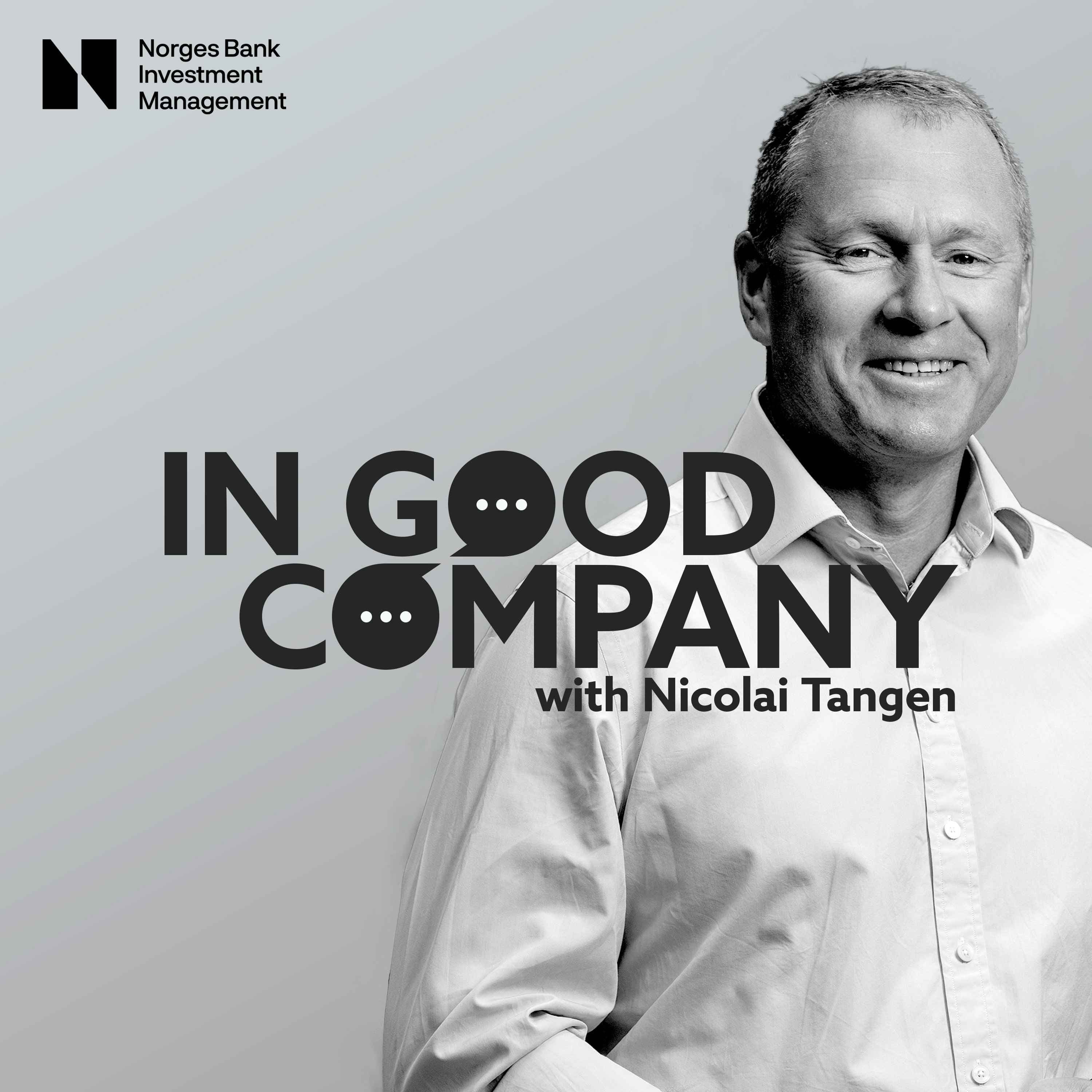
Novonesis CEO: Biosolutions at Scale, Replacing Chemicals and Leading for a Healthier Planet
Timestamps are as accurate as they can be but may be slightly off. We encourage you to listen to the full context.
Podcast Summary
In this fascinating episode, Nicolai Tangen, CEO of the Norwegian sovereign wealth fund, sits down with Ester Baiget, CEO of Novonesis, to explore the remarkable world of biosolutions and enzyme technology. (01:01) Novonesis, formed from the merger of Chr. Hansen and Novozymes, is revolutionizing how we produce everything from food to detergents by replacing fossil-based chemicals with nature-inspired alternatives. The company's solutions silently touch over 2 billion people daily through products ranging from yogurt and bread to laundry detergent and biofuels. (01:16) The conversation delves deep into the science of fermentation, the company's massive strain libraries containing over 100,000 microbes, and how AI is accelerating their research and development processes. Baiget also shares insights on leadership, regulatory challenges in Europe versus other markets, and her vision for creating a more sustainable future through biotechnology.
- Core themes include biotechnology innovation, sustainable business practices, leadership in merger integration, regulatory challenges across global markets, and the transformation from fossil-based to nature-based solutions
Speakers
Nicolai Tangen
CEO of Norges Bank Investment Management (Norwegian sovereign wealth fund), one of the world's largest sovereign wealth funds. Tangen leads investment decisions for the fund's extensive global portfolio and is known for his engaging interview style and deep understanding of business fundamentals.
Ester Baiget
President and CEO of Novonesis, the world's leading biosolutions company formed from the merger of Chr. Hansen and Novozymes. With 25 years of experience at Dow Chemical prior to joining Novonesis, Baiget is a chemical engineer with an MBA who is spearheading the global transformation from fossil-based chemicals to nature-inspired biosolutions.
Key Takeaways
Master the Art of Value-Based Pricing
Baiget revealed that Novonesis has transformed their pricing strategy from experiencing 1-2% annual price erosion to contributing 1-2% revenue growth through pricing alone. (25:37) This transformation came from institutionalizing annual value conversations with customers rather than only discussing pricing at product launch. The key insight is that when your product represents only 1-5% of customer costs but enables significant value creation, you must continuously demonstrate and capture that value. For professionals, this means regularly revisiting and quantifying the value you provide rather than accepting status quo pricing or compensation.
Build Systematic Innovation Through Organized Knowledge
The company's competitive advantage stems from their organized library of over 100,000 microbial strains, which Baiget compares to a well-structured library. (20:23) As she explains, "It's not a bunch of books, it's how they are structured and organized that makes it valuable." This systematic approach to knowledge management allows them to quickly match customer needs with existing solutions and accelerates AI implementation. Professionals should focus on creating systematic, well-documented approaches to their expertise rather than relying on ad-hoc knowledge.
Embrace Long-term Thinking for Sustainable Growth
Baiget emphasizes the competitive advantage of having long-term shareholders who enable decisions based on long-term value creation rather than short-term results. (09:54) This patient capital approach allows Novonesis to invest in R&D (10% of revenue) and build lasting customer relationships where they "start small and then grow" with clients. For professionals, this translates to building relationships and making decisions with a long-term perspective, even when short-term pressures exist.
Create Seamless Alignment Between Personal Values and Professional Mission
The extraordinary employee engagement at Novonesis stems from what Baiget calls "seamless continuity between personal values and what we do." (32:24) Employees feel they're enabling healthier lives and a healthier planet while being part of a growing, successful company. This creates genuine pride and engagement beyond typical corporate motivation tactics. Professionals should seek or create alignment between their personal values and their work's impact to achieve sustained high performance and satisfaction.
Develop Strategic Saying "No" Capabilities
Despite operating in a market with vast opportunities, Baiget identifies the biggest threat as not prioritizing correctly because "there are so many things we can do." (39:33) She emphasizes building a culture where saying "yes" to one opportunity necessarily means saying "no" to others or "yes, but later." This disciplined approach to opportunity management prevents resource dilution and ensures focus on highest-impact initiatives. Professionals must develop the skill and courage to decline opportunities that don't align with their strategic priorities.
Statistics & Facts
- Novonesis silently touches more than 2 billion people every day with their enzyme and microbe solutions, enabling healthier lives and a healthier planet. (01:16)
- If existing biosolutions were utilized to their full potential today, they would reduce global CO2 emissions by 8% without requiring any new solutions to be developed. (13:51)
- The untapped potential of biosolutions could unleash $800 billion in economic profit by 2035, representing homegrown solutions that don't require imported materials like chips or naphtha. (14:05)



