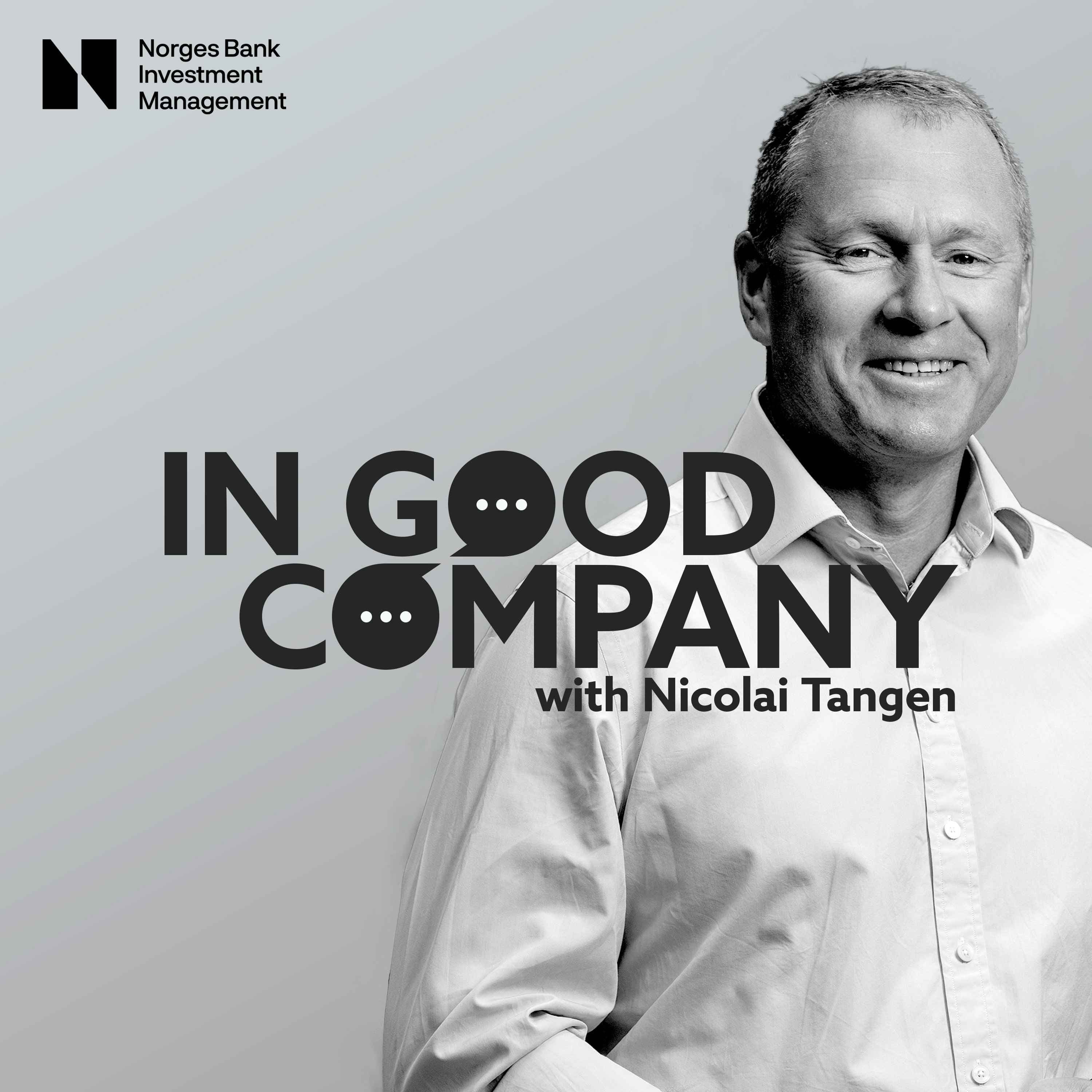
David Rubenstein: Defining Great Investors, Guiding Presidents and Preserving History
Timestamps are as accurate as they can be but may be slightly off. We encourage you to listen to the full context.
Podcast Summary
In this compelling episode of "In Good Company," Nicolai Tangen sits down with David Rubenstein, founder and chairman of The Carlyle Group and host of The David Rubenstein Show. The conversation delves into Rubenstein's remarkable journey from a modest background to becoming one of the most influential figures in private equity and media. (01:34)
The discussion explores what makes truly great investors, revealing that many top performers come from middle-class backgrounds and share common traits: mathematical aptitude, humility, decisiveness, and strong interpersonal skills. (06:22) Rubenstein shares insights from his time as a White House adviser at age 27 and his strategic decision to build Carlyle in Washington rather than New York, capitalizing on government-affected industries when others dismissed the location. (03:35)
• **Main Theme:** The episode focuses on leadership philosophy, the characteristics of successful investors, the importance of going against conventional wisdom, and maintaining humility while building lasting legacies through both business success and philanthropic endeavors.Speakers
David Rubenstein
David Rubenstein is the founder and co-chairman of The Carlyle Group, one of the world's largest private equity firms, which he built over thirty years into a global powerhouse. He served as deputy domestic policy adviser to President Carter at age 27 and has since become a prominent television host through The David Rubenstein Show on Bloomberg. Rubenstein is also a major philanthropist who has committed to giving away essentially all his wealth, including purchasing the Magna Carta for $21 million and funding the restoration of the Washington Monument.
Nicolai Tangen
Nicolai Tangen is the CEO of Norges Bank Investment Management, which oversees Norway's sovereign wealth fund, one of the world's largest investment funds. He hosts "In Good Company," where he interviews prominent leaders across business, finance, and other sectors. Tangen brings extensive investment experience and a keen understanding of global markets to his role leading one of the most influential institutional investors worldwide.
Key Takeaways
Middle-Class Origins Drive Investment Excellence
Rubenstein reveals that many of the world's best investors come from middle-class backgrounds rather than wealthy families. (06:22) This hunger and drive stems from not having inherited wealth, creating a necessary motivation to endure the "torture" of learning to invest well. The context behind this insight comes from Rubenstein's extensive interviews with top investors and his own experience building Carlyle from modest beginnings. This takeaway suggests that comfort and privilege can actually hinder the development of the resilience and determination required for investment success. The practical application is that organizations should look beyond pedigree when identifying potential investment talent.
Humility Is Essential for Investment Success
Great investors possess humility because the investment world involves frequent losses and mistakes. (06:56) Rubenstein explains that investors must be comfortable admitting mistakes and cutting losses quickly, rather than letting ego drive decisions. He contrasts this with wealthy individuals whose egos often grow with their net worth, making it harder to acknowledge when they're wrong. The ability to say "I made a mistake, I'm getting out of this position" separates successful investors from those who stubbornly stick to losing positions. This humility extends to interpersonal relationships, as successful investors must motivate others and gather information effectively.
Going Against Conventional Wisdom Creates Alpha
Successful investing requires doing what conventional wisdom says is wrong because following the crowd leads to average returns. (11:07) Rubenstein explains that the best investments generally go against conventional wisdom - when markets rise, people jump in; when they fall, people jump out. The difficulty lies in social psychology: people want to be liked and respected, and proposing unpopular ideas risks being called stupid. This insight reveals why contrarian investing is both intellectually sound and emotionally challenging, requiring investors to overcome natural social instincts to achieve superior performance.
Leadership Through Role Modeling Beats Communication
While talking and writing well are important persuasion tools, the most effective way to lead is through personal example. (23:28) Rubenstein emphasizes that if you tell people to work hard while you only work three hours a day, your message loses credibility. However, when you consistently work ten or twelve hours daily, people observe your behavior and naturally follow suit. This approach to leadership resonates because actions speak louder than words, creating authentic authority rather than superficial compliance. The practical application is that leaders should embody the behaviors and values they want to see in their organizations.
Preparation Prevents Poor Performance
Rubenstein shares the five P's principle from former Secretary of State Jim Baker: "Prior preparation prevents poor performance." (30:35) This philosophy drives Rubenstein's approach to everything from business meetings to television interviews. He meticulously reads every book by guests he interviews, watches their previous YouTube appearances, and prepares questions in advance. The context comes from his television work, where being unprepared would be immediately obvious and damaging. This takeaway extends beyond media to any professional situation where competence and credibility matter.
Statistics & Facts
- There are approximately 8 billion people on Earth, but only 13-14 million Jews, representing a relatively small population that has survived for over 2,000 years. (22:36) Rubenstein explains this statistic while discussing Jewish achievement and the factors contributing to their success across various fields.
- In 1900, the average American lifespan was 49 years, compared to around 20 years four hundred thousand years ago when early humans first appeared. (46:05) This statistic illustrates why more business leaders are staying active longer, as increased longevity means retirement at 65 no longer represents the end of productive life.
- Eduardo Saverin's $30,000 early investment in Facebook is now worth approximately $50 billion, representing one of the most successful early-stage investments in history. (15:23) Rubenstein shares this as an example of the massive opportunities he missed by not recognizing the potential of early-stage tech companies.



