EP270: How Billionaires Avoid Family Chaos (and Taxes)
Timestamps are as accurate as they can be but may be slightly off. We encourage you to listen to the full context.
Podcast Summary
In this insightful episode, David speaks with Thomas Monroe, Founder and President of Blue Sky Trust, about the critical yet often overlooked role of trustees in wealth planning. (00:00) Monroe explains that trustees serve as trusted advisors who sit at the intersection of tax, legal, investment, and family dynamics. The conversation explores how proper trustee selection can make or break sophisticated wealth planning strategies, regardless of how expertly the technical structures are designed. (01:06) Key themes include the importance of trustee independence, real-world trust use cases beyond basic estate tax planning, and how thoughtful trust structuring can enable optionality for future generations without creating entitled "trust fund babies." The discussion also covers best practices for raising children in wealthy families and how trust structures can support entrepreneurial pursuits rather than discourage them.
- Main Theme: The critical importance of selecting the right trustee as a trusted advisor rather than viewing trusteeship as a commoditized service, and how proper trust structuring creates opportunities while preserving family values across generations.
Speakers
Thomas Monroe
Thomas Monroe is the Founder and President of Blue Sky Trust, an independent trust company that serves centimillionaires and billionaires. Based in Nevada, Monroe has built his career around providing trustee services that prioritize independence and client alignment over product sales, working extensively with entrepreneurs facing liquidity events and multi-generational families navigating complex wealth dynamics.
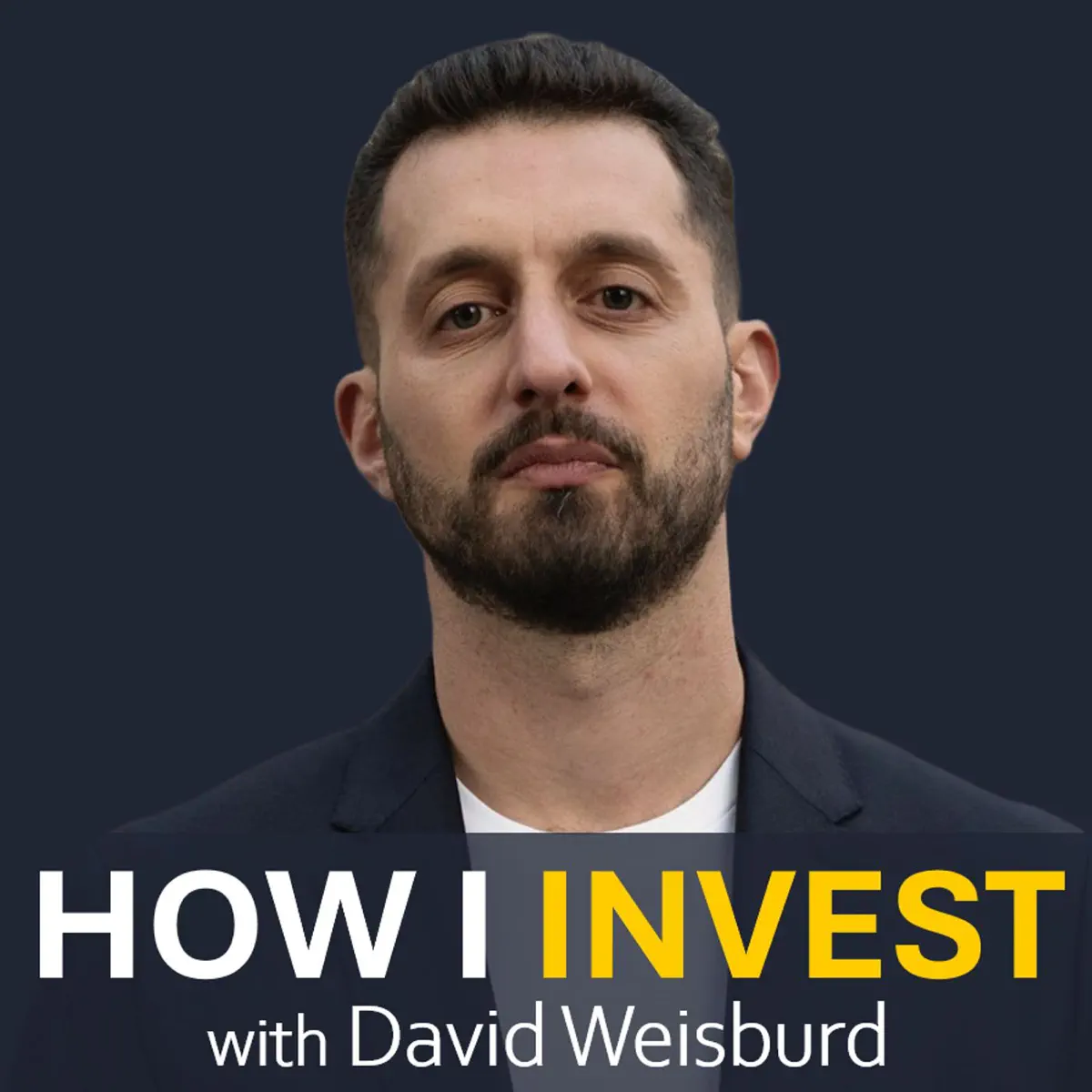
David (Host)
David is the host of "How I Invest," a podcast focused on investment strategies and wealth management insights from successful entrepreneurs and investors. He brings experience in analyzing investment opportunities and business strategy, often drawing parallels between different approaches to wealth creation and preservation.
Key Takeaways
Independence is Critical for Effective Tax Planning
Monroe emphasizes that trustee independence isn't just philosophical—it's technically required for most tax strategies to work effectively. (02:36) When trustees are part of larger institutions that also sell investment products or other services, conflicts of interest can arise that push clients toward products rather than optimal solutions. An independent trustee can focus entirely on judgment and being a true trusted advisor, bringing more credibility to difficult family conversations without the baggage of sales motivations or family dynamics.
Trust Planning Goes Far Beyond Estate Tax Exemptions
While many people think trusts are only for those exceeding the $30 million estate tax exemption, Monroe explains that the majority of their planning focuses on income tax strategies. (05:15) Pre-liquidity event planning, qualified small business stock (Section 1202) strategies, and capital gains planning often provide more immediate value. For entrepreneurs, the key is starting these conversations early—before the IPO or exit—when valuation discounting can maximize the effectiveness of wealth transfer strategies.
Thoughtful Structuring Prevents Entitled Children
Monroe shares a powerful story about a client who was about to buy a private jet until Monroe asked about the implications for his children. (11:17) The client realized that having his kids only fly private would set an unsustainable expectation for their future lifestyle. Effective trust planning involves staged access to wealth—giving beneficiaries opportunities to "pursue their hard" and potentially fail with smaller amounts before gaining access to larger portions, teaching valuable lessons along the way.
Governance Structures Must Outlive Individual Trustees
One of the biggest mistakes families make is not building proper governance mechanisms into their trust documents. (27:55) Monroe emphasizes that families should never give up the ability to hire and fire trustees, as family circumstances and dynamics evolve over time. The most critical element is selecting an institutional trustee that won't be subject to mortality risk while maintaining family control over trustee selection through built-in governance structures.
Trustees Should Be Quarterbacks, Not Just Functionaries
The best trustees serve as coordinators across multiple advisory disciplines rather than just administrative entities. (01:34) Monroe describes trustees as sitting at the intersection of tax, legal, investment, and family dynamics, helping families "run the Ferrari as it was meant to be run." This means providing clear communication, accountability, and task management across the entire advisory team, ensuring all moving parts work together effectively toward the family's goals.
Statistics & Facts
- The estate tax exemption increases to $15 million per spouse starting next year, allowing couples to transfer up to $30 million without estate tax consequences. (05:25) Monroe notes this figure in the context of explaining when basic trust planning becomes necessary.
- Nevada trusts can run for 365 years, while some other jurisdictions allow perpetual trusts. (08:33) This extended timeframe enables multi-generational wealth planning that can benefit families for centuries while avoiding estate taxes throughout multiple generations.
- Through proper trust structuring with qualified small business stock (Section 1202), families can potentially exclude up to $45 million in capital gains by creating multiple trusts for different beneficiaries, with each trust getting its own $15 million exemption. (33:09)