E274: Why LPs Say No Too Late
Timestamps are as accurate as they can be but may be slightly off. We encourage you to listen to the full context.
Podcast Summary
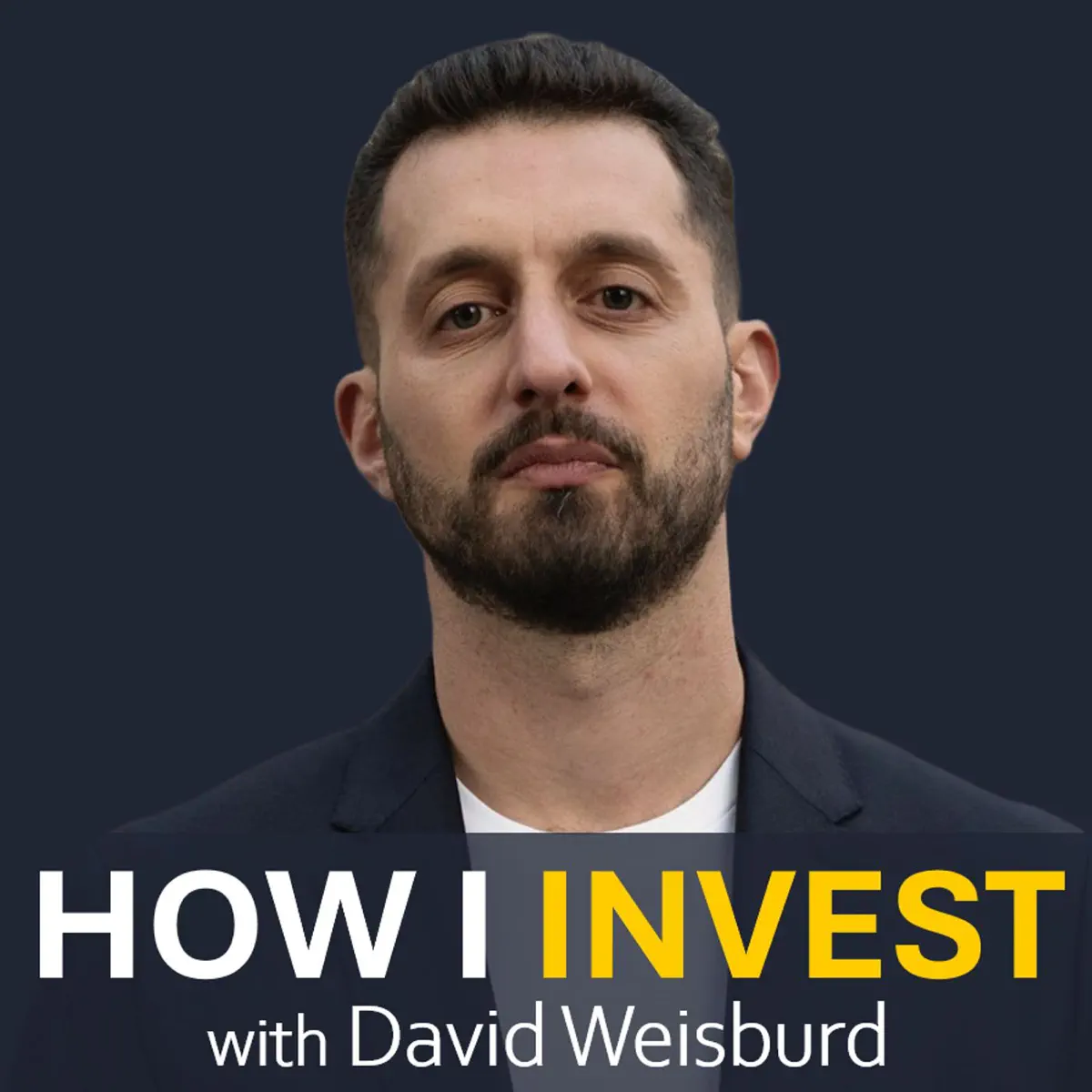
In this episode, host David Weisburd speaks with Brett Hillard, Founder and CEO of GlassFunds, about why infrastructure matters more than selection in alternative investing. (00:00) Brett explains how GlassFunds helps wealth managers implement alternatives at scale by solving the K-1 friction that keeps investors out of high-return asset classes. (00:53) The conversation explores how thoughtful design around vintages, liquidity, and reporting can dramatically improve long-term outcomes for investors. They discuss why "alternatives" is an overused label, how to build portfolios across vintages, and why illiquidity can actually protect investors from themselves. (10:21) Brett shares insights on building alternatives portfolios, why emotional intelligence trumps technical prowess in investing, and the virtue of illiquidity in generating superior returns.
- Main Theme: Infrastructure and behavioral design in alternatives investing matter more than individual manager selection for long-term success.
Speakers
Brett Hillard
Brett Hillard is the Founder and CEO of GlassFunds, an alternatives infrastructure platform that works with 150-175 advisor firms to help them implement custom alternative platforms at scale. Under his leadership, GlassFunds has onboarded over 150 funds year-to-date and provides workflow efficiencies including single K-1 tax reporting for complex alternative portfolios. Brett brings extensive experience in private capital and alternatives investing to his role as a leader in the wealth management infrastructure space.
David Weisburd
David Weisburd is the host of How I Invest podcast, where he interviews leading investors and industry experts about their investment strategies and insights. He focuses on bringing practical, actionable investment wisdom to ambitious professionals seeking to master their craft in the investment world.
Key Takeaways
Start with Infrastructure, Not Selection
Brett emphasizes that the biggest barrier to earning returns in alternatives isn't access or performance, but friction and behavioral challenges. (02:26) GlassFunds solves the K-1 management problem by providing single consolidated tax reporting even when clients own 15+ different positions. This infrastructure approach removes administrative barriers that prevent investors from accessing high-return alternative asset classes. The key insight is that if operational friction keeps you from investing in the first place, manager selection becomes irrelevant.
Embrace the Virtue of Illiquidity
Both Brett and David discuss how illiquidity can actually benefit investors by protecting them from emotional decision-making. (36:29) Brett notes that having instant liquidity often leads to worse returns for most investors, while forced illiquidity creates "frictions that ultimately protect you against yourself." Even top traders like Stanley Druckenmiller struggle with the temptation to trade frequently. The paradox is that illiquidity creates both higher returns and less emotional stress.
Build Across Vintages, Not Single Years
Brett advocates for systematic vintage diversification rather than trying to time single years. (09:19) Investors should deploy capital across multiple years (2025, 2026, 2027, 2028) to smooth out exposure and avoid concentration risk in any single vintage. This approach provides more consistent returns and reduces the behavioral pressure of worrying about timing the market perfectly.
Start with Secondaries and Private Credit
For new alternative investors, Brett recommends beginning with secondaries and evergreen private credit structures. (12:47) Secondaries provide instant diversification across hundreds of funds and thousands of companies with limited J-curve effects. Private credit evergreens offer quicker cash flows, with distributions starting the quarter after capital deployment. These strategies provide early wins and demonstrate value, encouraging continued investment in alternatives.
Emotional Intelligence Trumps Technical Prowess
Brett's key advice to his younger self: focus on developing emotional skills rather than just technical expertise. (33:47) While technical proficiency is necessary, what separates good investors from great ones is the ability to manage emotions during tough market conditions. Markets have a knack for creating emotionally challenging decisions, and the ability to avoid overconfidence, practice self-reflection, and admit mistakes becomes more valuable than demonstrating technical prowess.
Statistics & Facts
- GlassFunds works with 150-175 advisor firms and has onboarded over 150 funds year-to-date. (00:10) This scale demonstrates the growing demand for alternatives infrastructure in wealth management.
- Some accounting firms charge $500 and up per K-1, making consolidated reporting a significant cost savings. (02:17) This friction cost can quickly multiply for investors with diversified alternative portfolios.
- Venture capital interquartile spreads can exceed 30 percentage points, while secondaries and private credit spreads are often less than 10 percentage points. (15:18) This demonstrates the risk management benefits of starting with core alternative strategies.