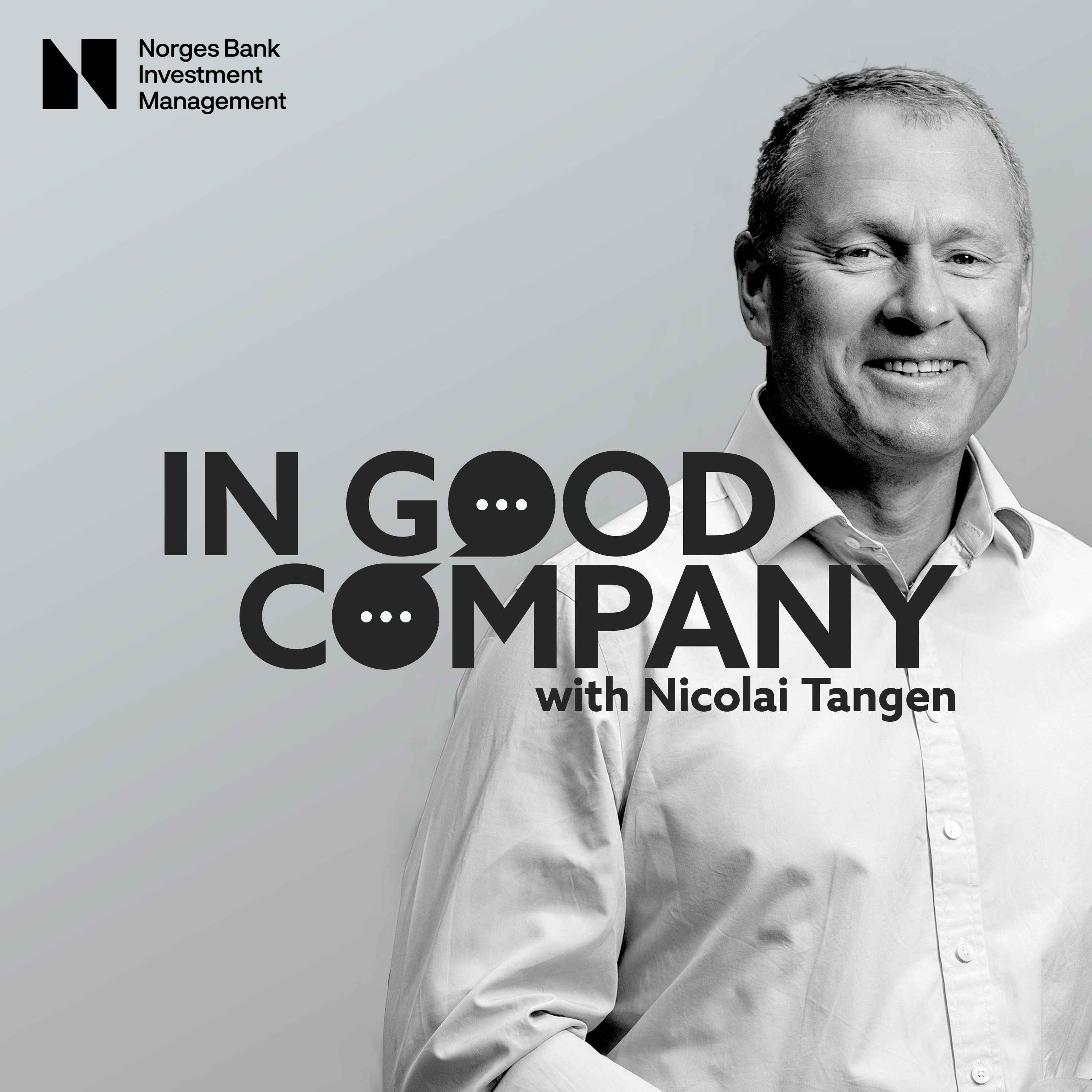
E271: The Future of VC: Space, Energy, Defense
Timestamps are as accurate as they can be but may be slightly off. We encourage you to listen to the full context.
Podcast Summary
This episode features Jonathan Lacoste, Founder and General Partner of Space VC, discussing how to invest in frontier technology startups during their transition from non-consensus to consensus opportunities. (00:14) Jonathan explains how his firm runs a concentrated strategy, making only 4-5 investments per year, focusing on pre-seed frontier tech companies. He distinguishes between deep tech (scientific breakthrough required) and frontier tech (engineering and market execution focused), using examples like AI's evolution from DARPA research to mainstream adoption. (02:09) The conversation explores how following founder migration patterns from companies like SpaceX and Tesla serves as a leading indicator of emerging opportunities, and why investing at the pre-consensus stage is critical for emerging managers to generate alpha.
- Main theme: Understanding when frontier technologies transition from non-consensus ideas to mainstream investment opportunities, and how to identify exceptional founders before markets validate their vision.
Speakers
Jonathan Lacoste
Jonathan is the Founder and General Partner of Space VC, a pre-seed venture capital firm focused on frontier tech startups. Before entering venture capital, he was a college dropout turned venture-backed founder who built Jebbit, an enterprise SaaS company focused on data infrastructure and online personalization, over eight years before selling it to Vista for a nine-figure exit. (23:39) He grew up moving 13 times and attending 12 different schools, was an elite ice hockey player competing at amateur US Olympic levels, and is the son of two educators from a small town in Ohio.
Key Takeaways
Follow Founder Migration as a Market Signal
Jonathan emphasizes that the strongest indicator of emerging opportunities is tracking when exceptional founders begin migrating to specific sectors. (06:15) When founders start leaving established companies like SpaceX, Tesla, or Anduril to work in "obscure corners of the ecosystem," it signals that scientific risks have been largely resolved and the opportunity is shifting toward engineering execution and market development. This migration pattern creates early specialist capital formation and shared vocabulary around emerging problem sets. The key insight is that top talent serves as the "tip of the spear" for identifying unique insights in overlooked markets that may appear niche but actually represent venture-scale opportunities.
Invest Pre-Consensus to Create Alpha
Successful emerging managers must invest before ideas become consensus to generate meaningful returns. (07:28) Once markets reach consensus, price discovery disappears and competition becomes about over-capitalization rather than identifying great opportunities. Jonathan notes that by the time ideas become consensus, the most courageous founders have often moved to new areas of opportunity. As an emerging manager, the goal is to be "early consensus creators" who help exceptional founders build larger venture narratives with customers, capital, and partners before downstream movements coalesce around the opportunity.
Prioritize Grit Over Intelligence
In frontier tech, founders face unique challenges including building trust, educating customers, and convincing talent to join their movement in environments where data is scarce and timelines are long. (19:15) Jonathan looks for evidence of long-term obsession with problem sets, consistent demonstration of grit throughout a founder's history, and internal rather than external motivation. The assessment focuses on whether founders have previously done hard things without external validation. This evaluation happens through deep partnership before formal fundraising, often meeting founders before they start companies and helping them navigate the "idea maze" of different opportunities.
Concentrate Your Portfolio for Maximum Impact
Space VC runs a highly concentrated strategy with only 15-16 names per fund, making 4-5 investments annually. (34:17) This approach stems from recognizing a fixed amount of top-tier founder talent in frontier tech ecosystems and their proven ability to identify and win allocation with exceptional teams. Their Fund 1 results demonstrate this effectiveness: 3 of 15 total investments became unicorns, with 2 of 8 pre-seed investments reaching unicorn status. The concentration strategy requires careful LP alignment but allows for meaningful ownership in outlier companies where the benefits are most pronounced.
Build Domain Expertise Through Patient Capital Deployment
The benefits of venture capital compound over time, especially for domain-focused firms. (44:14) Extended time in specific sectors builds context around problems, expands networks with talent and customers, and establishes track record credibility. Rather than aggressive early deployment, Jonathan advocates for restraint and patience, as deal flow quality and caliber continue improving month over month. This patience allows firms to develop higher standards and better judgment about what constitutes world-class founder potential, ultimately leading to better investment outcomes.
Statistics & Facts
- Space VC has achieved an exceptional hit rate with 3 unicorns out of 15 total investments in Fund 1, and 2 unicorns out of 8 pre-seed investments specifically. (36:01) This demonstrates a 20% unicorn rate overall and 25% at the pre-seed stage.
- Approximately 40% of founders backed by Space VC come from recognizable name-brand companies like SpaceX, Tesla, or Anduril, while 60% come from other sources. (17:17) This shows the importance of talent migration patterns while also indicating opportunities beyond just the most obvious companies.
- Jonathan's previous company Jebbit achieved a nine-figure exit (well into 9 figures) after an eight-year journey as college dropout founders. (23:09) This provides context for his understanding of the entrepreneurial journey and what constitutes a successful outcome.