E255: How to Hire the Top 0.1%
Timestamps are as accurate as they can be but may be slightly off. We encourage you to listen to the full context.
Podcast Summary
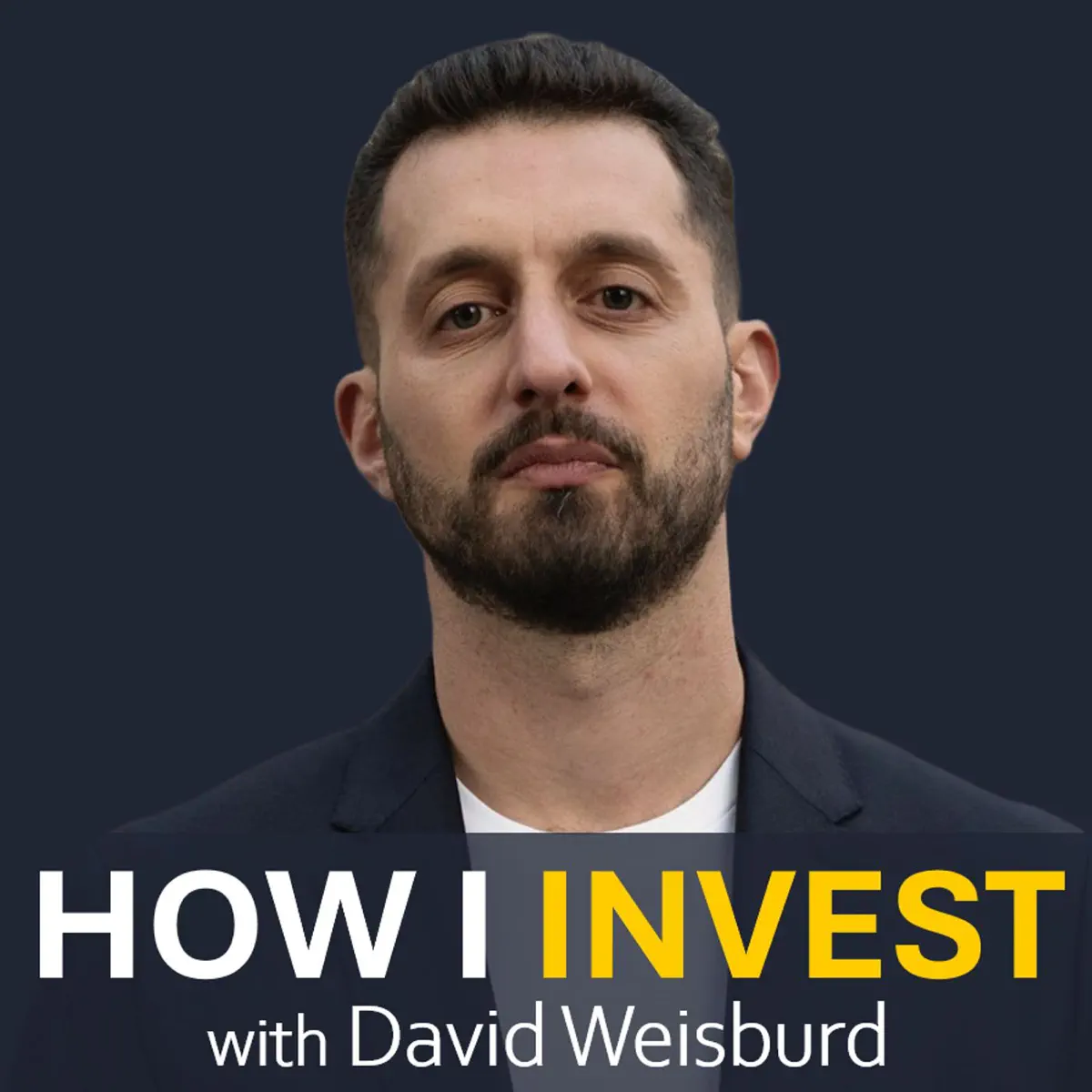
In this episode, David interviews Chris Vasquez, Founder & CEO of Quantum Talent, one of the most in-demand technical recruiting firms in the AI ecosystem. Chris explains why elite engineering talent has become the core bottleneck in AI, sharing insights from his company's work with about 250 technology startups and 80% of tier-one venture capital firms. (00:30) The conversation explores the concept of "S-tier" engineers - the top 0.1% of talent who can produce asymmetric outcomes - and why talent density, not headcount, is the strongest predictor of startup success. Chris reveals how AI founders are engaged in a talent war where companies like Meta are spending billions on individual hires, making talent acquisition the critical competitive advantage in today's AI landscape.
- Main Theme: Elite talent acquisition as the primary constraint and competitive advantage in AI startups, with practical strategies for building world-class teams in a hyper-competitive market.
Speakers
Chris Vasquez
Chris Vasquez is the Founder & CEO of Quantum Talent, a premier technical recruiting firm specializing in AI and technology startups. Under his leadership, Quantum has grown to 36 people and partners with about 250 technology startups concurrently, having helped build approximately 300 technology companies over nearly six years. The firm works with 80% of tier-one venture capital firms and focuses on placing the top 0.1% of engineering talent - what Chris calls "S-tier" engineers - with high-growth companies in the AI ecosystem.
Key Takeaways
Talent Density Trumps Headcount
Chris emphasizes that talent density - the concentration of exceptional people - is far more valuable than team size. (02:42) He explains that whether you're running a service-based business where your team is literally the product, or a product company where people build what you sell, the quality of individuals determines your company's fate. The PayPal example illustrates this perfectly: they had 14 exceptional people who later built billion-dollar companies, creating asymmetric outcomes through concentrated talent rather than large headcount.
Strategic Overpaying for Key Positions
Rather than maintaining rigid compensation structures, successful companies identify critical functions where they need to outcompete and overpay for exceptional talent in those areas. (12:31) Chris advises figuring out which parts of your business are truly critical to market leadership and over-indexing there. You don't need S-tier talent everywhere - you need standard bearers leading each function and absolute best-in-class people in your core competitive areas.
The "100 People Test" for Hiring
Chris shares his most valuable hiring heuristic: "If you wouldn't hire 100 of that person, don't hire one of them." (32:53) This framework forces leaders to consider what their company would look like if every hire was exactly like the person they're considering. It prevents the common trap of making hiring compromises that dilute culture and results over time. Even when facing urgent needs, maintaining this standard prevents long-term damage to team quality.
Experience Provides Predictable Patterns
Hiring people who have "seen greatness before" significantly de-risks execution because they understand the problems you'll face and have already lived the future you're trying to build. (21:07) While inexperienced talent can be valuable, experienced professionals bring pattern recognition and proven ability to navigate complex challenges. They can accelerate your probability of success because they've already solved similar problems at scale.
Market Timing Often Beats Perfect Teams
Chris acknowledges that even exceptional teams can fail if the product doesn't hit, while average teams in hot markets can still succeed significantly. (16:55) The market you're in and directional correctness can be more important than pure talent quality. However, great teams have the advantage of being able to pivot effectively when their initial product doesn't work, as seen with companies like Twitter, Cursor, and Sigma.
Statistics & Facts
- Quantum Talent partners with about 250 technology startups concurrently and has helped build approximately 300 technology companies over nearly six years, while working with 80% of tier-one venture capital firms. (00:06)
- A company Chris worked with was able to achieve a billion-dollar valuation after Quantum placed 17 of their next 20 hires following compensation adjustments, demonstrating the direct impact of talent quality on company outcomes. (08:28)
- Chris mentions that some AI companies like Surge AI have between 50-100 full-time people doing over $1 billion in revenue, illustrating the extreme productivity possible with talent-dense teams leveraging AI. (03:36)