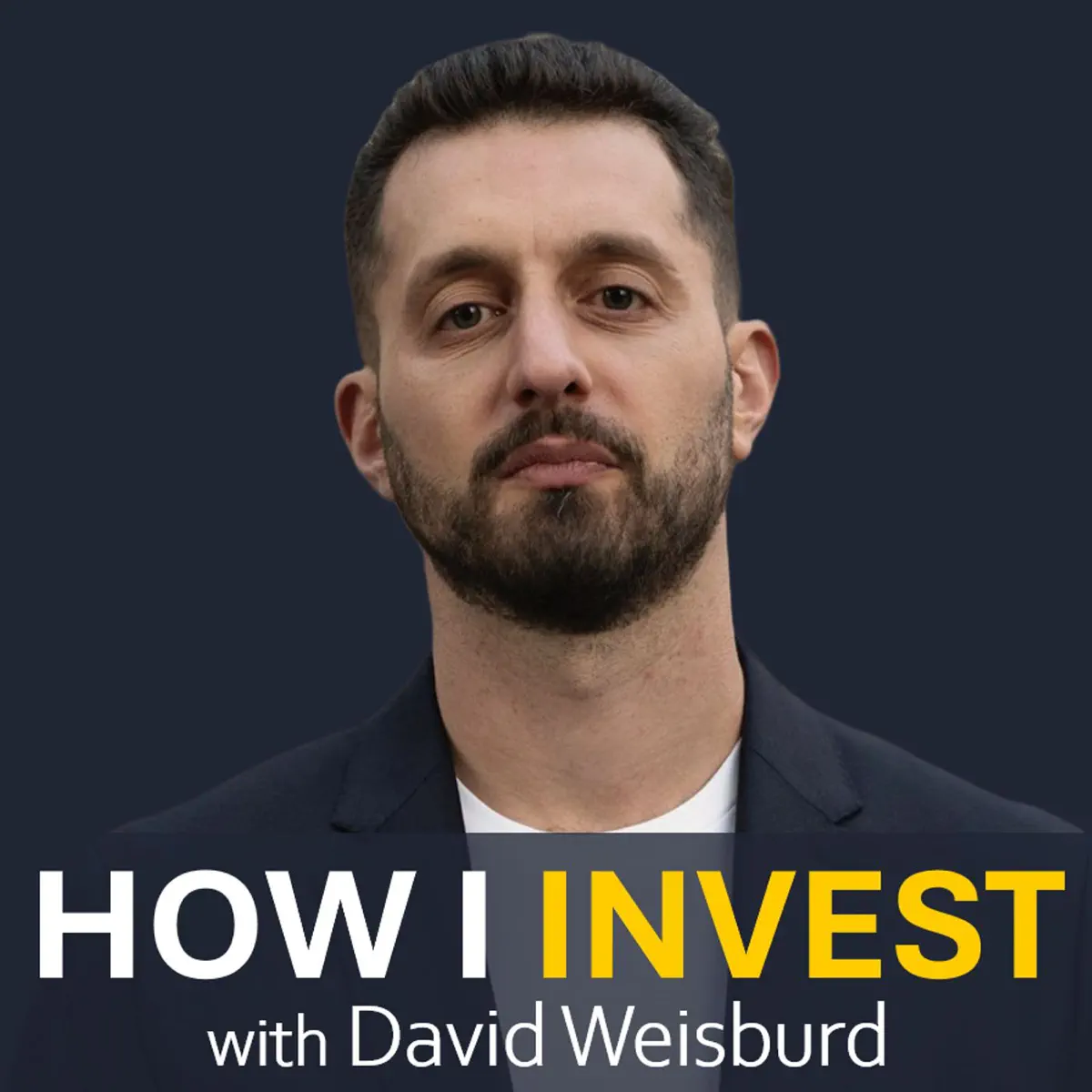
E227: The Future of Venture: Ryan Hoover on Productizing VC
Timestamps are as accurate as they can be but may be slightly off. We encourage you to listen to the full context.
Podcast Summary
In this compelling episode, Ryan Hoover, founder of Product Hunt and general partner at Weekend Fund, shares his unique approach to venture capital through a product-focused lens. (00:00) The conversation explores how Hoover thinks of everything as a product, including his $21 million fund with 360 LPs, his innovative LP newsletter reaching 150 limited partners, and tools like Rolodexer that help founders make strategic introductions. (00:48) Key themes include productizing traditionally relationship-driven processes, building scalable systems for deal flow and value creation, and the importance of earned secrets and lived experience in generating alpha as an investor.
- Core focus on productizing venture capital operations, scaling introductions and deal flow through systematic approaches, and leveraging technology to create infinite scalability in traditionally human-driven processes
Speakers
Ryan Hoover
Ryan Hoover is the founder of Product Hunt, the world's leading platform for discovering new products, which has helped launch over 100,000 startups over nearly 12 years. He's currently the General Partner at Weekend Fund, a $21 million early-stage venture capital fund on its third iteration. Hoover has a unique background as both a successful founder and investor, having built Product Hunt before it was acquired by AngelList, and now manages investments across 50+ portfolio companies while maintaining a network of over 300,000 Twitter followers in the tech ecosystem.
Key Takeaways
Leverage Lived Experience as Your Ultimate Alpha
Hoover emphasizes that the best source of investment alpha comes from direct experience with the problems founders are solving. (35:28) He invested in Deal (now a $12 billion company) because he had spent years building Product Hunt as a fully distributed team, giving him unique insights into remote work challenges before COVID made it mainstream. (35:33) This "earned secret" allowed him to see the inevitable trend toward distributed hiring when San Francisco recruiting was becoming increasingly expensive and difficult. The key is not just having high IQ, but having domain-specific experience that creates differentiated perspective in a room full of equally smart people.
Build Systems That Scale Beyond Your Personal Network
Rather than relying solely on traditional networking, Hoover has systematically productized relationship building through tools like Rolodexer, which allows him to search his 300,000 Twitter followers to make strategic introductions for portfolio companies. (10:09) This approach generates 30-50% conversion rates because DMs from someone you follow have much higher attention rates than cold emails. The principle extends beyond tools - he's built a newsletter reaching 150 LPs and created systematic approaches to deal flow that don't require his constant personal involvement, allowing him to scale impact while maintaining his preference for working behind a computer.
Apply the Double Opt-In Principle to All Value Creation
Every introduction or piece of value you provide should benefit both parties intrinsically, not just look good on paper. (12:12) Hoover notes that connecting two public company CEOs with no collaboration potential wastes everyone's time, while connecting two first-year analysts with real synergies creates significant value. He takes this further by often sharing information with founders and explicitly stating "no response needed," reducing friction and allowing genuine value transfer without creating obligation. This principle applies to any professional relationship - focus on intrinsic mutual benefit rather than impressive-sounding connections.
Embrace Transparent Systems to Enable Scaling
Hoover's Weekend Partners (scout program) operates in shared Slack channels where all deal flow and discussions are visible to the entire team, rather than private DMs. (31:07) This transparency creates network effects where partners can build on each other's insights, provide additional context about founders or markets, and learn from each other's decision-making processes. The transparency requirement eliminates people who want to hoard information and attracts collaborators who genuinely want to contribute to collective success. This principle applies broadly - transparent systems scale better than closed ones because they enable emergent collaboration and shared learning.
Focus on Secrets and Traction Over Consensus Opportunities
When evaluating investments, Hoover looks for founders who either have unique insights (secrets) that others don't see, or demonstrable traction that he doesn't fully understand yet. (37:43) If a company is pre-launch, he wants to understand what the founder sees that others miss. If post-launch with traction but he doesn't understand why, he investigates because "if there's true traction, then something something's working." (38:05) This framework helps avoid consensus thinking that leads to competitive deals with lower returns, while identifying opportunities where founder insight or market validation provides genuine edge.
Statistics & Facts
- Weekend Fund has 360 LPs in their $21 million third fund, with Hoover's LP newsletter reaching approximately 150 limited partners who deploy around $50 million annually. (01:19) This represents an unusually high number of LPs for a fund of this size, requiring significant operational overhead but providing extensive network effects.
- Product Hunt has enabled roughly 100,000 makers and founders to launch over nearly 12 years of operation, making it extremely likely that any founder Hoover meets has heard of or used the platform. (16:45) This provides significant access advantages in deal sourcing and founder relationships.
- Deal, one of Weekend Fund's seed investments at a $10 million cap, became a $12 billion company, representing approximately a 400x return on their investment. (20:18) This single investment demonstrates the potential for small ownership stakes to generate massive returns when backing decacorn outcomes.