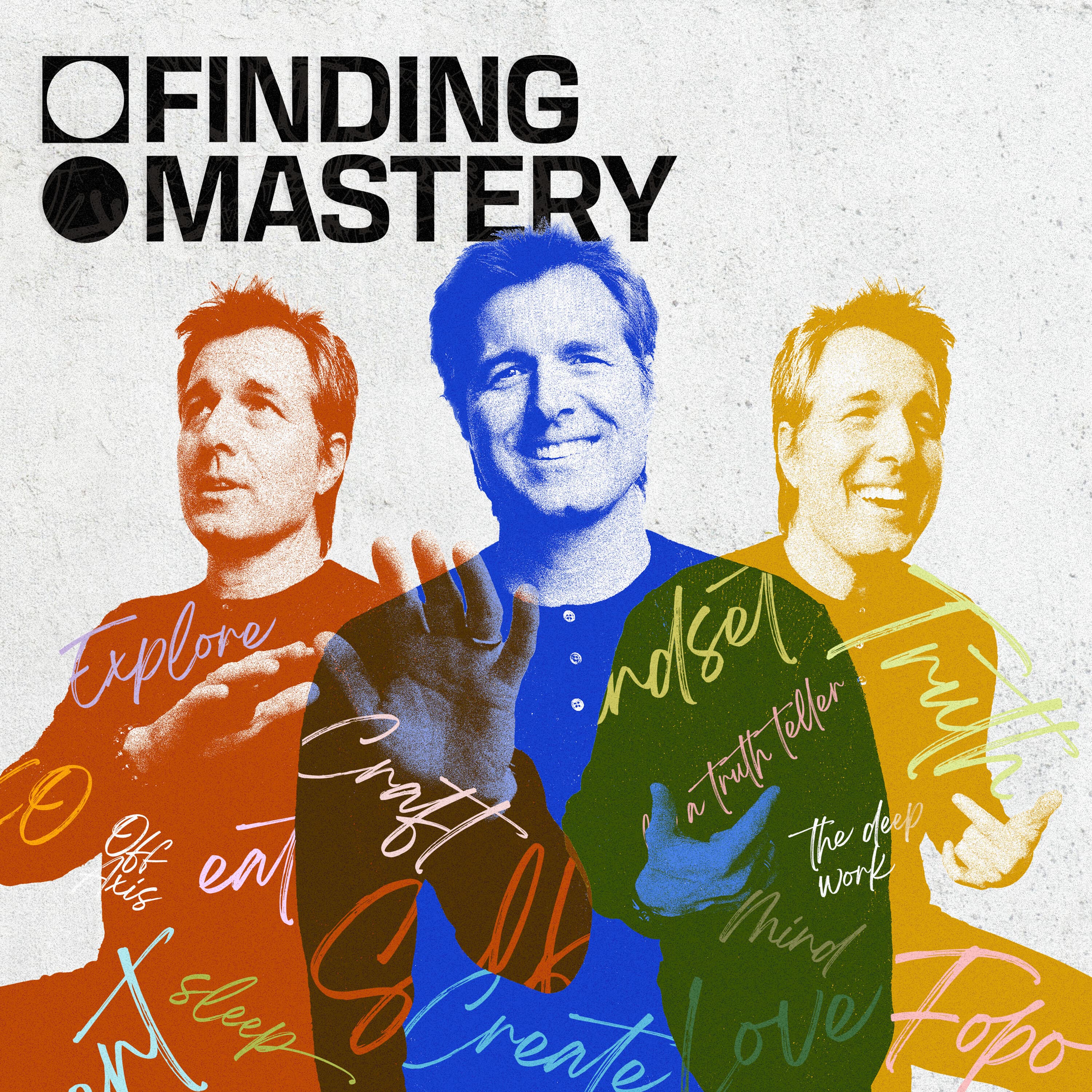
Why You Should Quit Social Media in 2026 | Cal Newport
Timestamps are as accurate as they can be but may be slightly off. We encourage you to listen to the full context.
Podcast Summary
Cal Newport returns to explore the paradoxes of modern productivity, making the case that doing fewer things leads to better outcomes. (00:00) He challenges the assumption that busyness equals productivity, revealing how context switching and overloaded workloads actually reduce output quality and speed. (12:00) The conversation spans from practical workplace solutions to digital fatigue remedies, ending with Newport's optimistic vision for AI's role in removing friction rather than replacing deep thinking. (60:00)
- Main Theme: True productivity isn't about doing more things simultaneously—it's about doing fewer things exceptionally well while protecting deep focus from the constant interruptions of modern knowledge work.
Speakers
Cal Newport
Cal Newport is a computer science professor at Georgetown University and bestselling author of books including "Deep Work" and "Slow Productivity." He's one of the most influential voices on focus, productivity, and the costs of our digital lives, having professionally written since age 20 while building a distinguished academic career in theoretical computer science.
Dr. Michael Gervais
Dr. Michael Gervais is a high-performance psychologist and host of the Finding Mastery podcast. He specializes in working with world-class performers across sports, business, and other fields to help them optimize their mental approach to achieving mastery.
Key Takeaways
Centralize Tasks to Reduce Cognitive Overhead
Newport advocates for pulling tasks from individual plates onto centralized team lists, then assigning them one at a time during daily standup meetings. (11:36) This prevents the cognitive overhead that comes from juggling multiple active projects simultaneously. When tasks sit on individual plates, they bring constant mental overhead through emails, meetings, and cognitive space consumption. By centralizing and controlling the flow, individuals work on fewer things at once while teams complete more work overall with higher quality.
Context Switching Is the Enemy of Deep Work
The human brain works best with unbroken focus, and context switching dramatically reduces the quality of cognitive output. (09:28) Newport explains that if you're working on five tasks simultaneously, you must contend with the overhead of all five, which "jams up the whole cognitive apparatus." The solution is working on one thing, finishing it, then moving to the next—a waterfall approach at the task level that increases both speed and quality of completion.
Quality Over Quantity Follows Superstar Economics
Doing something at the highest level provides exponentially more value than doing many things adequately. (33:45) Newport references superstar economics theory, explaining that as the number of people who can do what you do falls, your value increases dramatically. The rewards jump significantly as scarcity increases—being exceptional at one thing beats being good at five things, not through linear addition but exponential leverage.
Digital Fatigue Has Two Distinct Causes
Professional digital fatigue stems from over-communication and workload management issues, while personal digital fatigue comes from attention economy services designed to maximize usage time. (43:53) The solutions are different: work fatigue requires structural changes to collaboration and task management, while personal fatigue requires changing your relationship with devices—removing apps that profit from your attention, using phone foyer methods at home, and adding friction to access.
Protect Children's Cognitive Development
Newport recommends no smartphones until high school, and even then with restrictions. (49:07) When at home, phones should be plugged in centrally—not personal property to carry everywhere. This allows full social and cognitive development before introducing tools that can significantly impact the developing brain. The key is establishing these as family rules rather than individual restrictions, requiring parents to model the behavior themselves.
Statistics & Facts
- Cal Newport has been professionally writing since age 20, spending over two decades developing his craft to reach "New Yorker caliber" writing while maintaining academic credibility. (41:15)
- University students using ChatGPT to write papers actually take longer to complete their work, despite the technology being positioned as a time-saving tool, because they avoid peak cognitive strain. (59:02)
- Employees hired through LinkedIn are 30% more likely to stay for at least one year compared to those hired through leading competitors, demonstrating the value of quality hiring processes. (Mentioned in sponsorship content)



