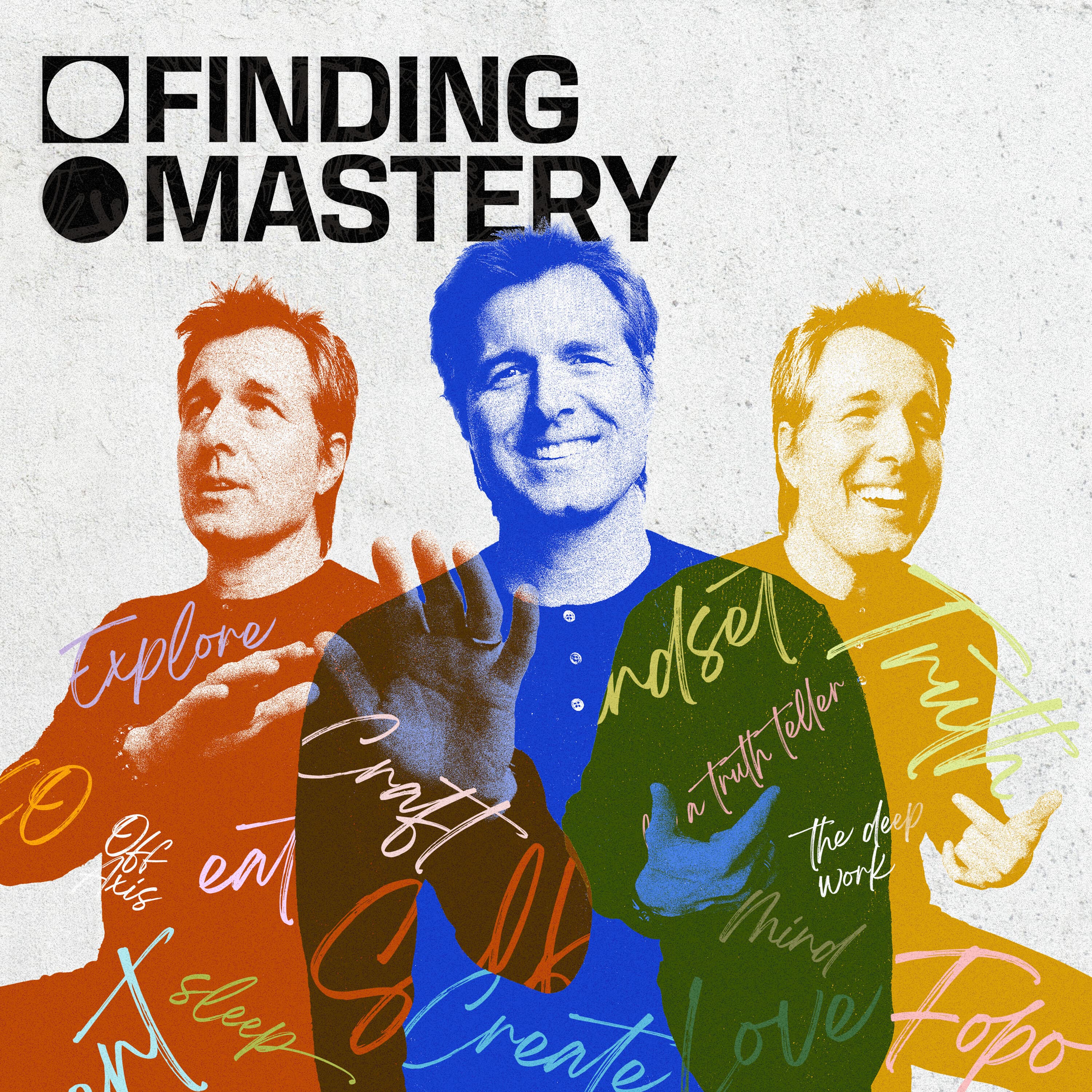
The First Openly Gay NBA Player On the Power of Courage, Leadership, and Empathy | John Amaechi
Timestamps are as accurate as they can be but may be slightly off. We encourage you to listen to the full context.
Podcast Summary
In this profound episode of Finding Mastery, Dr. Michael Gervais sits down with Dr. John Amaechi—organizational psychologist, New York Times bestselling author, and the first openly gay NBA player. The conversation explores John's journey from a bullied "fat kid from Stockport" to NBA starter in just six years, and ultimately to becoming a leading voice in psychology and human dignity. (03:22) John discusses his decision to come out publicly after retirement, sparked by witnessing a young person hiding behind a tombstone at Manchester Pride, and the profound impact of his mother's love in shaping his resilience. The episode delves deep into themes of authenticity, moral courage, and the responsibility we have to not shrink ourselves so others can stay comfortable.
• Core Focus: The conversation centers on moving from clarity to conviction in both personal and professional life, exploring how to live with courage while maintaining human dignity in the face of adversity.
Speakers
Dr. John Amaechi
Dr. John Amaechi is an organizational psychologist, New York Times bestselling author, and associate fellow of the British Psychological Society who made history as the first openly gay NBA player. Born in Boston but raised in Stockport, England, John started playing basketball at age 17 and remarkably became a starting NBA player just six years later. He has been awarded an OBE (Officer of the Order of the British Empire) for his volunteer services to sport and psychology, and built a community center in Manchester that served over 3,000 children weekly.
Dr. Michael Gervais
Dr. Michael Gervais is a high-performance psychologist and host of the Finding Mastery podcast. He specializes in training world-class performers across various fields and is dedicated to understanding how exceptional individuals work from the inside out.
Key Takeaways
Know Yourself Before You Can Lead Others
John emphasizes that self-knowledge is the foundation of all meaningful achievement and relationships. (69:29) Using the GPS metaphor, he explains that just as GPS works by knowing your starting point, you cannot navigate toward any meaningful destination without first understanding where you are. This involves deep self-examination about your values, triggers, and authentic identity. John's own journey of self-discovery began early, knowing he was gay at age 11 and spending significant time alone analyzing his thoughts and circumstances. The key insight is that without this foundational self-awareness, any external achievements or relationships will lack the depth and authenticity necessary for lasting impact and fulfillment.
Build Your Cabinet of Trusted Advisors
When facing difficult decisions about identity or authenticity, John advocates for creating what he calls a "cabinet"—a carefully curated group of people with different perspectives who are deeply invested in your wellbeing. (35:40) The process involves watching people for signs of empathy, critical thinking, and what John calls "duty of care"—the ability to support you even when they might not fully understand or agree with your circumstances. He suggests observing whether someone knows the name of their coffee server after six months, as this reveals their capacity for empathy. This isn't about finding people who will simply agree with you, but rather identifying those who will hold you with dignity regardless of the situation and provide honest, caring feedback when you need it most.
Establish and Communicate Your First Principles
John describes his "fence conversation" with new team members where he clearly articulates what he stands for and what he absolutely will not tolerate. (78:18) This includes being flexible on management style and approach, but being completely inflexible on issues of human dignity—misogyny, racism, homophobia, and other forms of discrimination. He positions himself not as neutral on these issues, but as actively fighting against them "with fire." The practical application is that leaders should clearly communicate their non-negotiables early in relationships, creating safety through predictability. People need to know where you'll get "lit up" so they can trust your consistency and partner with you effectively toward shared goals.
Practice Reflective Examination Daily
One of John's key "ordinary skills" for extraordinary results is the practice of deep reflection on daily experiences and interactions. (89:38) He describes how he examines even mundane conversations, asking himself what he should have said differently or what deeper meaning might exist. This morning practice led him to write about clownfish and their relationship to toxic environments, drawing parallels to human behavior. The skill involves sitting with experiences after they happen, looking for lessons, connections, and insights that might otherwise be lost. This isn't just casual thinking, but intentional analysis that creates richness and helps explain complex concepts to others. It's the difference between having experiences and learning from them.
Understand the Difference Between Confused and Committed Audiences
John makes a crucial distinction between audiences that are genuinely open to new information and those who are committed to their existing beliefs regardless of evidence. (85:46) When he walked away from a podcast interview after hearing the hosts engage in what he considered hate speech, he explained that he doesn't debate people who won't change their minds—because that's not actually a debate. He recognizes that some audiences listen to certain content not because they're confused and seeking truth, but because it confirms their existing biases and triggers their preferred "tent poles." The practical lesson is learning to distinguish between genuine intellectual curiosity and confirmation bias, and choosing your battles accordingly. Not every platform or conversation is worth engaging with, especially when doing so might compromise your principles without creating meaningful change.
Statistics & Facts
- There is only one player in NBA history who started playing at age 17 and was starting in the NBA six years later - John Amaechi himself. (45:46) This statistic highlights the extraordinary nature of his basketball journey and his frustration that people focus more on his sexuality than this remarkable athletic achievement.
- When John came out publicly, he received approximately 20% warm and supportive responses, 5% vociferously hateful reactions (including numerous death threats), and 75% neutral responses, which he considers complicity in matters of human dignity. (58:01)
- The community center John built in Manchester had upwards of 3,000 children per week going through its doors, which contributed to his receiving an OBE for volunteer services to sport. (93:17)



