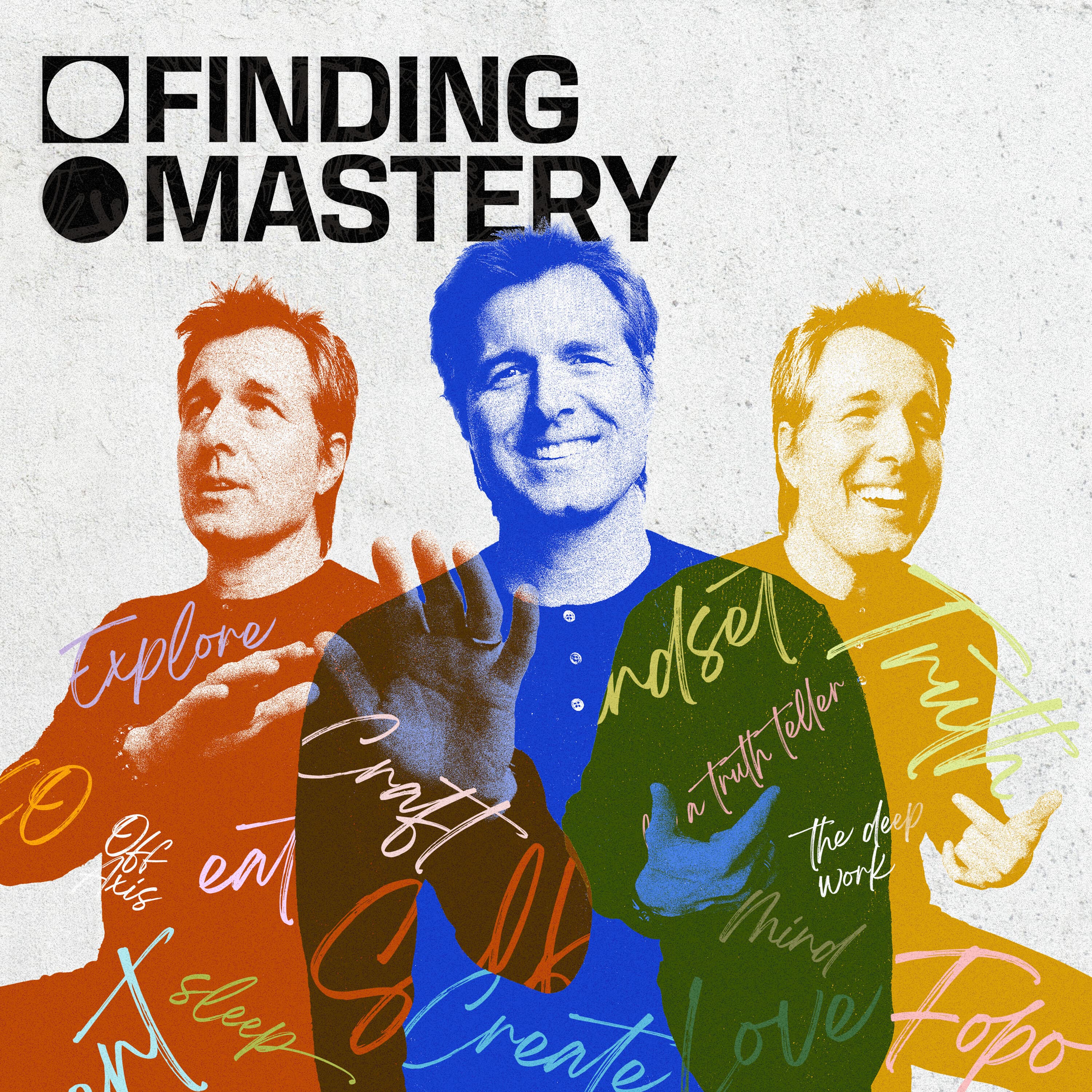
Savannah Bananas: Inside The Banana Ball Phenomenon | Jesse Cole
Timestamps are as accurate as they can be but may be slightly off. We encourage you to listen to the full context.
Podcast Summary
Jesse Cole, founder of the Savannah Bananas and creator of Banana Ball, reveals how he transformed a failing minor league baseball team into a cultural phenomenon that sells out the biggest stadiums in America. Starting with just 200 fans and sleeping on an air mattress after going broke, Cole built a revolutionary entertainment experience that prioritizes fan joy over traditional baseball rules. (04:00)
- Core themes: The power of disruptive innovation, building community through entertainment, and the courage to reinvent an entire sport by putting fans first
Speakers
Jesse Cole
Jesse Cole is the founder and owner of the Savannah Bananas and creator of Banana Ball, a revolutionary reimagining of baseball that combines sport with Broadway-style entertainment. A former college baseball player whose career ended due to injury, Cole transformed his setback into an opportunity to revolutionize America's pastime. He has authored three books documenting his journey and philosophy, and has built a movement that attracts millions of fans worldwide while selling out NFL stadiums across the country.
Dr. Michael Gervais
Dr. Michael Gervais is a high-performance psychologist and host of the Finding Mastery podcast. By trade and training, he works with world-class athletes, artists, and business leaders to help them unlock their potential from the inside out. His expertise lies in understanding the psychology of elite performers and translating those insights for broader audiences seeking mastery in their own lives.
Key Takeaways
Create Your Own Energy List
Jesse discovered that he only had energy when doing things that truly energized him, leading him to develop his personal "energy list" of creating, sharing, and growing. (10:10) These three values became his guiding principles - if he's creating, sharing, and growing, he can work all day and still be the best father and husband. This framework serves as both personal guardrails and business philosophy, ensuring alignment between thoughts, words, and actions. The key insight is that energy isn't about working harder, but about working in alignment with what genuinely fuels you.
Reverse Engineer the Perfect Experience
Rather than focusing on current limitations, Jesse consistently asks "what would be the perfect, most amazing epic experience?" and works backwards from that vision. (27:27) When creating Banana Ball rules, he identified all the friction points in traditional baseball (too long, too slow, too boring) and then envisioned perfect scenarios - like a kid catching a foul ball to win the game and being celebrated by players. This approach led to revolutionary changes like the two-hour time limit, no walks, and fans catching foul balls for outs. The framework works because it starts with the end goal rather than current constraints.
Forced Functions Drive Innovation
Jesse implements "forced functions" requiring his team to create 10-15 completely new entertainment elements for every single game. (37:16) Drawing inspiration from Saturday Night Live's weekly creative process, they have mandatory "Over the Top" meetings every Tuesday, followed by table reads, rehearsals, and fan testing. This systematic approach to creativity prevents staleness and ensures continuous innovation. The lesson is that creativity isn't accidental - it requires structure, deadlines, and deliberate processes that push teams beyond their comfort zones.
Learn, Change, Plus Philosophy
After every game, Jesse's team conducts an LCP (Learn, Change, Plus) session where they analyze what they learned, what they would change, and what they want to "plus" (enhance further). (61:00) This systematic approach to continuous improvement, inspired by Walt Disney's belief that "Disneyland is a living, breathing thing that will never be complete," ensures constant evolution. The framework creates a culture where every experience becomes a learning opportunity, and improvement is embedded into daily operations rather than left to chance.
Build Win-Win-Win Business Models
Jesse learned from a Jon Nordstrom interview that instead of paying venue rental like everyone else, he could create so much value that stadiums would pay them to come and even cover expenses. (23:03) By drawing 38-40 states worth of fans to each venue, the Bananas generate massive economic impact - like the $38.6 million impact reported in Charlotte for their two-night stint. This approach allowed them to reinvest millions back into their people and fan experience rather than paying traditional venue costs. The key is creating a product so valuable that traditional business models don't apply.
Statistics & Facts
- The Savannah Bananas went from 200 fans per game in their early days to selling out NFL stadiums with 80,000+ seats, amassing nearly 11 million followers on TikTok. (02:13)
- On January 15, 2015, the team got a phone call that they were out of money and had overdrafted their account, forcing Jesse and his wife Emily to sell their house and sleep on a twin air mattress to keep the team alive. (23:52)
- Their two-night stint in Charlotte at the Panthers Stadium drew 148,000 fans and generated a reported $38.6 million economic impact for the city, demonstrating the massive value they create for host venues. (44:30)



