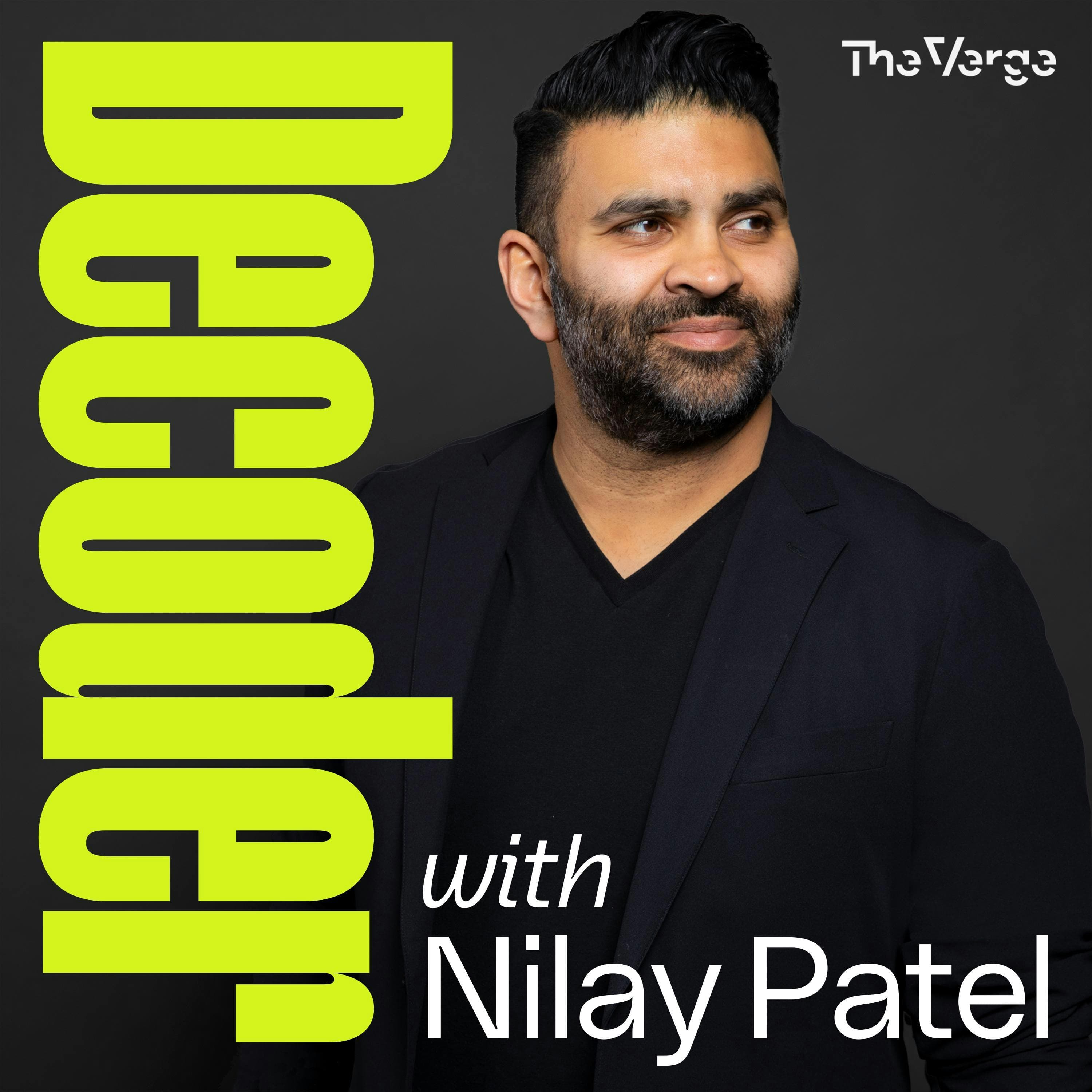
Dropout CEO Sam Reich on business, comedy, and keeping culture weird
Timestamps are as accurate as they can be but may be slightly off. We encourage you to listen to the full context.
Podcast Summary
In this episode, host Hank Green interviews Sam Reich, CEO of Dropout TV, about building a successful subscription-based streaming platform after acquiring College Humor for $0 during the pandemic. (02:38) Sam shares how he transformed a struggling company from 107 employees to just 7 overnight, then grew it into a profitable business with nearly one million subscribers through a direct-to-audience model focused on comedy content. (47:27)
• The main themes center on running a creative business without traditional stakeholders, the benefits of subscription models over advertising, and creating a company culture that prioritizes both financial sustainability and creative freedom while treating talent and crew fairly through innovative practices like profit-sharing.Speakers
Hank Green
General Internet personality and co-founder of Complexly, the company behind educational YouTube channels SciShow and Crash Course. He's also an entrepreneur and author who has built multiple successful digital media properties.
Sam Reich
CEO of Dropout TV, who acquired the company (formerly College Humor) from IAC for $0 in March 2020, just as COVID lockdowns began. (15:55) Previously worked at College Humor under IAC for over a decade, and is the son of former Labor Secretary Robert Reich. He hosts and creates content for the platform, particularly the popular show Game Changer.
Key Takeaways
Simplicity in Business Models Creates Better Outcomes
Sam emphasizes that simpler business structures are more effective, especially early on. (09:42) He explains that subscription models only require satisfying two parties - the company and the audience - versus advertising-based models that involve creators, platforms, audiences, and advertisers. This complexity often means "someone's always getting left behind." By eliminating advertisers and focusing solely on subscriber satisfaction, Dropout can make decisions faster and maintain creative control without competing stakeholder demands pulling in different directions.
Creative Leadership Requires Different Incentive Structures
Reich argues that media companies led by creative people are becoming rarer because industries naturally evolve toward business-focused leadership to maximize profits. (26:51) However, small to medium creative businesses can thrive when run by passionate creators who would "be doing something like this regardless of how successful it was." The key difference is having no external shareholders to satisfy, allowing the company to prioritize creative excellence and employee welfare over pure profit maximization.
Contractor-Based Talent Models Benefit Everyone
Rather than hiring full-time talent, Dropout uses contractors with profit-sharing arrangements. (41:02) This approach solves the common YouTube company problem where employees create popular shows but can't negotiate talent-level compensation increases. The contractor model allows talent to pursue other opportunities while still participating in Dropout's success through profit-sharing, positioning the company as "everyone's favorite second job" and avoiding restrictive exclusivity contracts that limit talent growth.
Organic Social Content Drives Subscription Growth
The majority of Dropout's subscribers discover the platform through clips on Instagram, TikTok, and YouTube Shorts that go viral organically. (32:05) Shows are designed with "clippable moments" in mind, and the company uses organic performance data to guide paid social media campaigns. This approach works because the clips create demand for more content that can only be accessed through subscription, creating a natural funnel from free samples to paid content without traditional advertising overhead.
Decision-Making Gets Easier With Clear Priorities
Sam references Ruth Chang's TED talk on decision-making, noting that difficult decisions usually exist when pros and cons feel equivalent. (53:12) He prioritizes factors including content quality, audience experience, cast and crew welfare, financials, and personal creative fulfillment. Having these priorities clearly ordered allows him to make faster decisions even when faced with competing interests, because he can evaluate options against established values rather than trying to optimize for everything simultaneously.
Statistics & Facts
- Dropout went from 107 employees to just 7 employees overnight when Sam acquired the company for $0 in March 2020. (15:45)
- The platform has grown every year since acquisition and now has nearly one million subscribers, with Sam stating they're "spitting distance from a million." (32:00)
- Only 10% of Dropout's subscribers come from paid advertising, with the vast majority discovering the platform through organic social media clips. (31:54)



