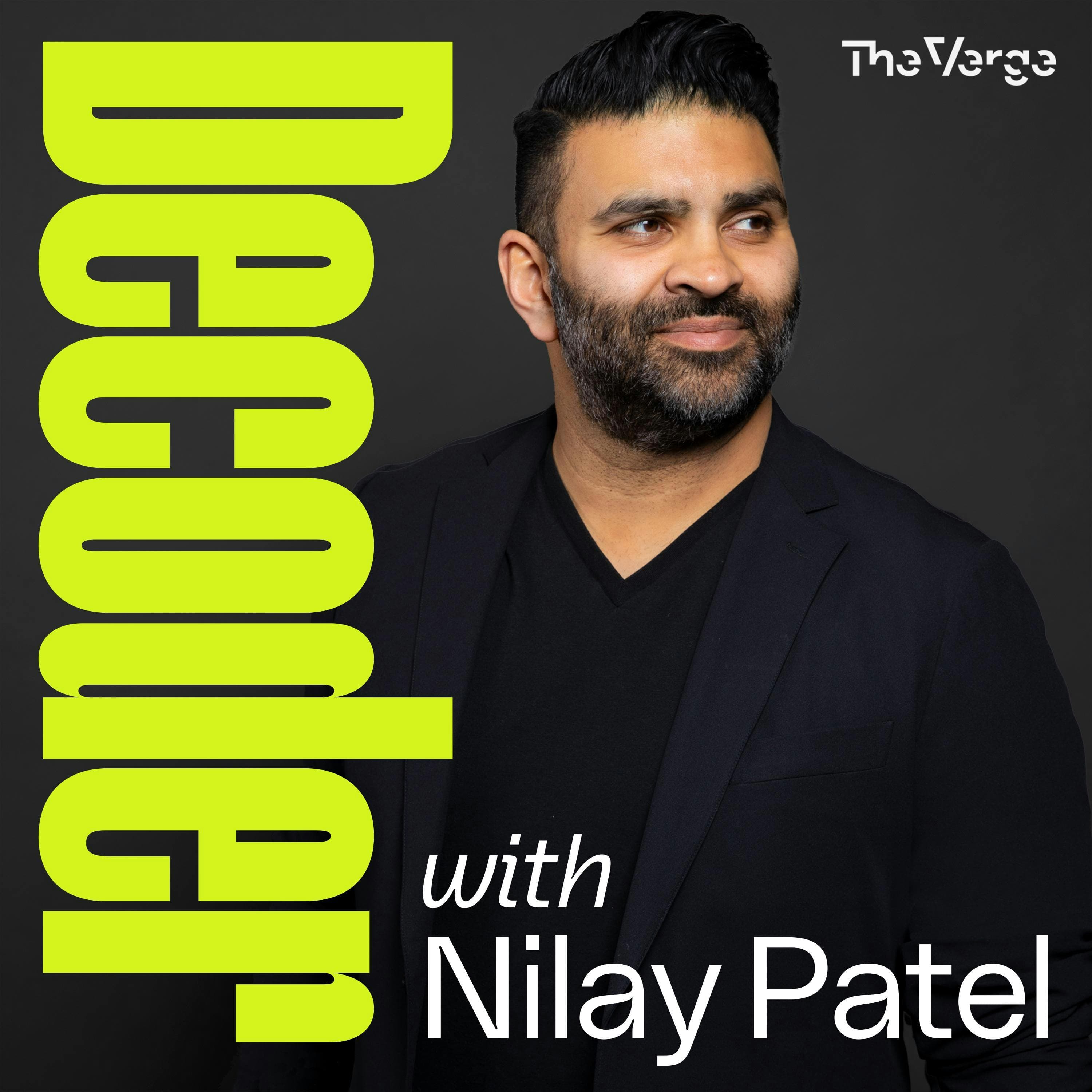
CEO Sam Reich on the business of subscription comedy
Timestamps are as accurate as they can be but may be slightly off. We encourage you to listen to the full context.
Podcast Summary
In this fascinating episode, Dropout CEO Sam Reich sits down with Hank Green to discuss how he transformed a struggling media company into a thriving subscription-based streaming platform. (03:00) Reich acquired Dropout (originally CollegeHumor) from IAC for $0 in March 2020, just as the pandemic began, and transformed it from a 107-person operation to a focused 7-person team. (13:28) The conversation explores Reich's unconventional approach to content creation, talent management, and building a sustainable business model that prioritizes creative autonomy over maximum profits. (28:00) From innovative game shows like Game Changer to profit-sharing with contractors, Reich has built what many consider a more ethical alternative to traditional Hollywood business practices.
- Main Theme: Building a sustainable, creator-friendly media company that prioritizes creative freedom and fair compensation over maximum profit extraction.
Speakers
Sam Reich
Sam Reich is the CEO and creative force behind Dropout, the subscription streaming platform he acquired from IAC in March 2020. The son of former Labor Secretary Robert Reich, Sam previously served as Chief Creative Officer at CollegeHumor for over a decade before taking the helm of the company. He's known for hosting and creating the popular improv game show "Game Changer" and for pioneering worker-friendly practices in the entertainment industry, including profit-sharing with contractors.
Hank Green
Hank Green is a longtime YouTuber, science educator, and viral TikTok star who guest-hosted this episode of Decoder. He's one half of the VlogBrothers and has built multiple successful online businesses while maintaining a focus on educational content and community building. Green brings a unique perspective to this conversation as someone who has navigated the challenges of building sustainable creator businesses in the digital age.
Key Takeaways
Simplify Your Business Model to Maximize Creative Freedom
Reich emphasizes that the simpler your business model, the more effectively you can run it and maintain creative control. (07:00) Dropout deliberately chose subscription over advertising because it eliminates the complex relationship between audience, platform, advertisers, and creators. This allows them to focus solely on serving their subscribers rather than juggling multiple stakeholders with competing interests. The key insight is that when you remove unnecessary complexity, you can dedicate more resources to what actually matters - creating great content.
Treat Contractors Like Partners, Not Just Hired Help
Rather than using traditional Hollywood exclusivity contracts, Dropout operates on a profit-sharing model with their talent and avoids requiring exclusivity. (43:00) Reich explains they position themselves as "everyone's favorite second job," allowing performers to maintain other work while contributing to Dropout. This approach attracts better talent because it doesn't force people to choose between Dropout and other opportunities, and the profit-sharing model ensures everyone benefits when the company succeeds.
Design Content for Social Media Distribution
The majority of Dropout's new subscribers discover the platform through organic social media clips on Instagram, TikTok, and YouTube Shorts. (28:00) Reich notes that shows like Game Changer and Make Some Noise are naturally good at creating clippable moments, while even long-form content like Dimension 20 somehow generates viral clips. The strategy is to create content that inherently produces shareable moments, then amplify the best-performing clips through paid promotion.
Maintain Creative Vision While Building Business Systems
Reich has structured Dropout to keep himself involved in creative decisions while building proper business infrastructure around him. (57:00) He deliberately limits his direct reports to just the C-suite level, allowing department heads to manage their teams while he focuses on creative vision and strategic decisions. This structure prevents the common problem of creative leaders getting bogged down in administrative tasks that pull them away from what they do best.
Embrace Imperfection and Growth Over Perfectionism
Rather than positioning Dropout as a perfect company, Reich emphasizes that they're constantly experimenting and learning. (60:00) He warns against the "perfect person problem" where companies that try to do things ethically face impossible standards. His approach is to be transparent about trying to set "new standards for decency" while acknowledging that mistakes will happen and not everyone will be pleased with every decision.
Statistics & Facts
- Dropout went from 107 employees to just 7 employees overnight when Sam Reich acquired the company from IAC in March 2020. (13:12)
- The platform currently has nearly 1 million subscribers and continues growing, with Reich stating they're "spitting distance from a million." (27:00)
- Only 10% of Dropout's new subscribers come from paid advertising, with the vast majority discovering the platform through organic social media content. (31:15)



