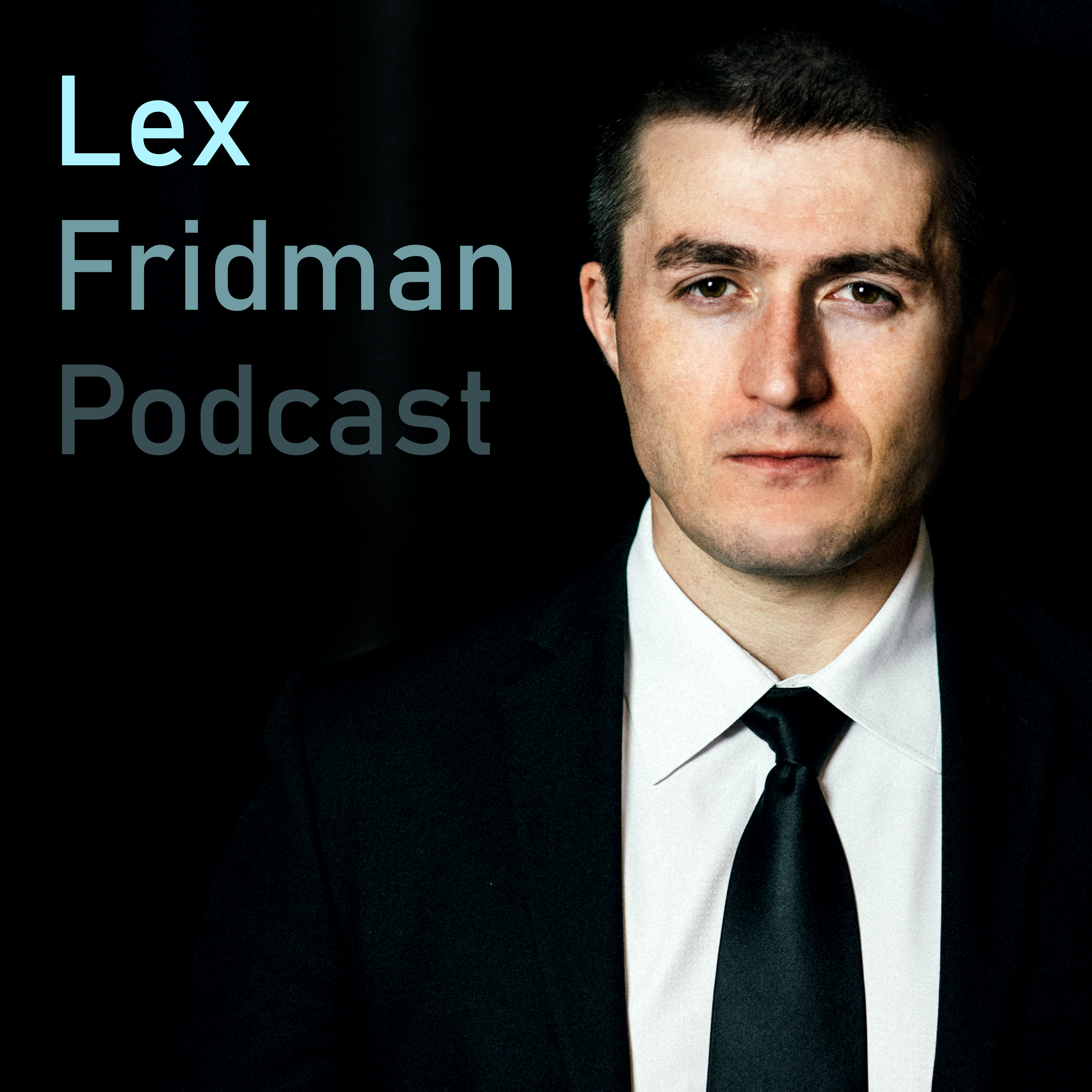
Daniel Ek, Spotify | David Senra
Timestamps are as accurate as they can be but may be slightly off. We encourage you to listen to the full context.
Podcast Summary
This podcast episode features an in-depth conversation with Spotify founder Daniel Ek, exploring his unique philosophy on building exceptional companies and living a meaningful life. (02:23) Ek shares his counterintuitive approach of optimizing for impact over happiness, explaining how he believes happiness is a trailing indicator of meaningful impact. The discussion delves into his journey from selling his first company at 22 to building one of the world's most influential music streaming platforms over nearly two decades.
- Main themes: The conversation centers on Ek's philosophy of impact-driven decision making, the importance of self-knowledge in entrepreneurship, different founder archetypes, and the relentless pursuit of quality and innovation in building enduring companies.
Speakers
Daniel Ek
Daniel Ek is the co-founder and CEO of Spotify, one of the world's most successful music streaming platforms with over 500 million users globally. Born and raised in Sweden, Ek sold his first company at age 22 and has spent nearly two decades building Spotify into a transformative force in the music industry. He's known for his long-term thinking, focus on quality, and unique leadership philosophy that emphasizes collaboration and impact over conventional metrics of success.
Key Takeaways
Optimize for Impact Over Happiness
Daniel Ek's most profound insight is that professionals should optimize for impact rather than happiness, as happiness is merely a trailing indicator of meaningful impact. (02:23) He observed that his friend Dara, then CEO of Expedia, had become content rather than truly fulfilled. Ek challenged him with the question: "Since when is life about happiness? It's about impact." This philosophy stems from Ek's belief that sustained happiness comes from solving meaningful problems and making a difference in the world. He argues that while you can feel happiness in small bursts, true fulfillment comes from the reflection on accomplishments and moments of impact. (05:23) This approach requires choosing discomfort and challenge over ease, but leads to deeper satisfaction and personal growth.
Know Yourself to Build Authentically
The most critical skill for any entrepreneur is developing deep self-knowledge to build a company that's authentic and natural to who they are. (27:09) Ek emphasizes that most entrepreneurs fail by trying to imitate other successful founders rather than understanding their own unique strengths and leadership style. He spent years attempting to mimic Steve Jobs, Jeff Bezos, and other iconic leaders, only to realize it didn't work for his personality. (25:20) The key insight is that there are multiple archetypes of successful entrepreneurs, and trying to force yourself into someone else's mold leads to failure. Ek believes entrepreneurs do their best work when they're older precisely because they know themselves better and can build companies that align with their natural abilities and values.
Embrace High-Temperature People
Successful organizations need "high-temperature" people—those who may have many mediocre ideas but occasionally produce breakthrough insights that transform everything. (64:54) Ek draws an analogy to AI temperature settings, where higher temperatures produce more creative but less predictable outputs. While most companies optimize for consistency and conformity, Ek argues that innovation requires tolerating people who generate variance. He'd rather have someone who produces one brilliant idea in an hour of conversation, even if the other 55 minutes are worthless, than someone who consistently delivers ten decent but unremarkable ideas. (69:56) This approach requires building tolerance for messiness and unconventional thinking, but it's essential for breakthrough innovation.
Focus on Energy Management Over Time Management
Rather than obsessing over time optimization, successful entrepreneurs should focus on understanding and managing their energy levels throughout the day. (75:13) Ek rejects the conventional wisdom about morning routines and rigid scheduling, arguing that productivity comes from aligning your work with your natural energy patterns. He emphasizes understanding what gives you energy versus what drains it, and structuring your environment accordingly. (115:00) This includes listening to your body's natural rhythms for sleep, hunger, and peak performance times. The key is choosing the game you want to play rather than conforming to others' expectations about how you should work.
Quality Through Relentless Focus and Simplification
True quality comes from focusing intensely on fewer things rather than trying to do everything at once. (100:28) Ek's philosophy centers on the principle that "less is more"—whether in friendships, investments, or business focus. He references the quote "quality is never an accident, it is always the result of intelligent effort" and applies this to every aspect of building Spotify. (107:01) Quality requires the discipline to say no to most opportunities and concentrate on what truly matters. This approach extends to hiring, where he values people who can deliver one exceptional idea over those who consistently produce multiple good but not great concepts.
Statistics & Facts
- This year, the host will read over 400 biographies for the podcast, demonstrating the extensive research behind each episode. (00:31)
- Daniel Ek reached his financial goal of $10 million by age 22, eighteen years earlier than his original plan of achieving it by age 40. (12:45)
- Daniel Ek has visited approximately 130 countries throughout his life, contributing to his global perspective on business and culture. (124:12)