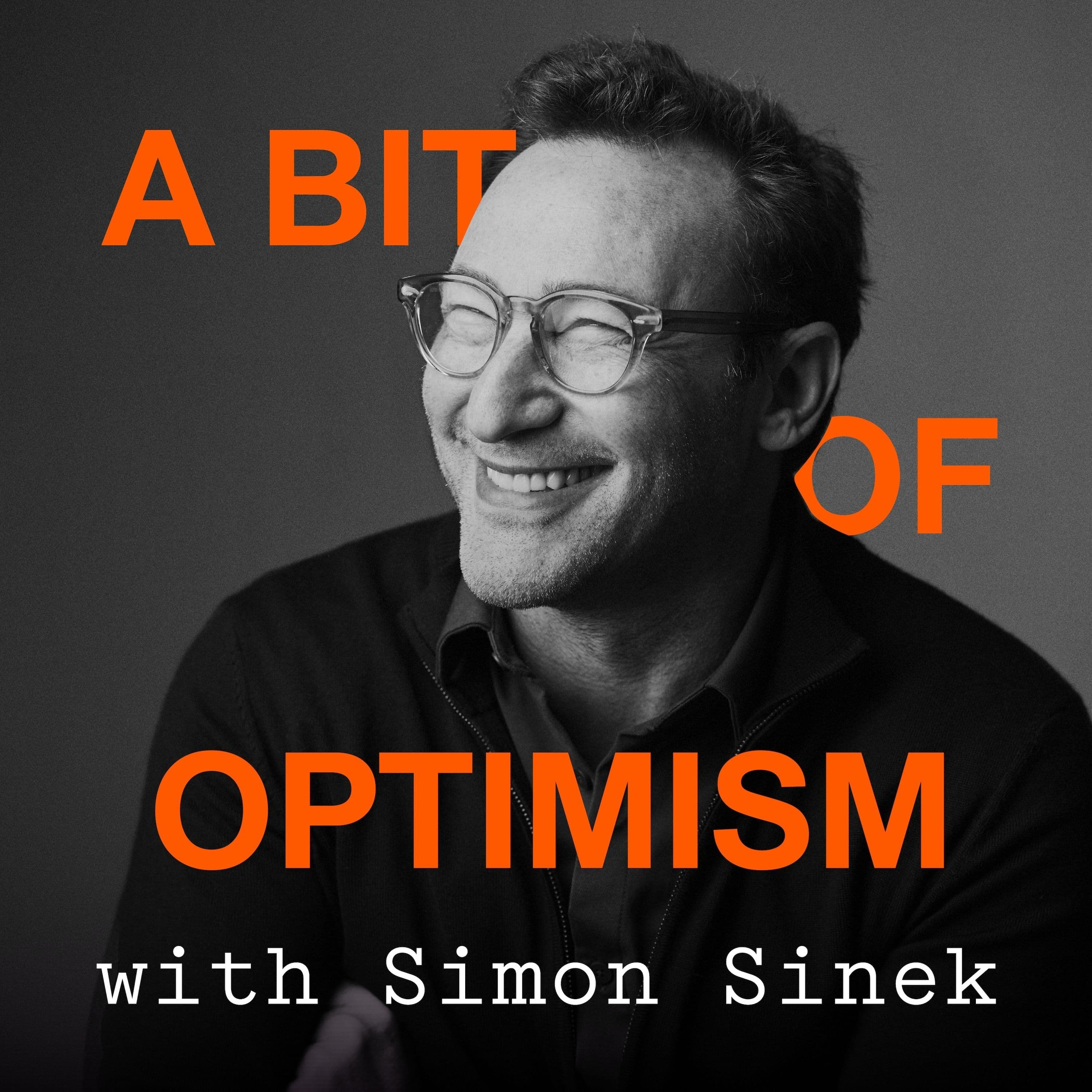
The Culture That Converts Even the Biggest Cynics with former WD-40 CEO Garry Ridge
Timestamps are as accurate as they can be but may be slightly off. We encourage you to listen to the full context.
Podcast Summary
In this compelling episode of "A Bit of Optimism," Simon Sinek sits down with Garry Ridge, the former 25-year CEO of WD-40 Company, to explore how authentic leadership transformed a simple one-product company into a global powerhouse with extraordinary employee engagement. (04:00) Ridge shares his evolution from a "be brief, be bright, be gone" command-and-control leader to a servant leader who prioritized psychological safety, learning, and belonging. The conversation reveals how WD-40 achieved a market cap growth from $300 million to $3.6 billion while maintaining 93% employee engagement and never laying off a single employee during Ridge's tenure. (42:30) • The core theme centers on building enduring company culture through consistent values-driven leadership, with Ridge demonstrating that sustainable business success comes from treating employees as whole human beings rather than resources to be managed.
Speakers
Simon Sinek
Simon Sinek is a bestselling author, motivational speaker, and organizational consultant known for his work on leadership and corporate culture. He is the author of several influential books including "Start With Why" and hosts the popular podcast "A Bit of Optimism" where he explores leadership principles with successful business leaders.
Garry Ridge
Garry Ridge served as CEO of WD-40 Company for 25 years, transforming it from a successful regional business to a global brand present in 176 countries. Starting with the company in Australia in 1987, he rose through the ranks before becoming CEO in 1997, ultimately growing the company's market cap from $300 million to $3.6 billion. Ridge is now a leadership coach and author of "Any Dumb Ass Can Do It," focusing on building people-centered organizational cultures.
Key Takeaways
Leadership is a Learnable Skill That Requires Deliberate Study
Ridge emphasizes that effective leadership isn't innate but must be consciously developed through education and practice. (05:08) Despite already being CEO for two years, he enrolled in a master's degree program at USD to study under Ken Blanchard, demonstrating that learning leadership principles is never too late. Ridge transformed from a "turbo D" command-and-control leader to a servant leader by acknowledging his need for growth and actively seeking help. This takeaway challenges the common misconception that leadership comes naturally and highlights the importance of continuous self-improvement for those in positions of authority.
Authenticity Builds Credibility More Than Intelligence
When asked where a leader's credibility comes from, Ridge responds simply: "Authenticity." (12:18) He learned to introduce himself as "consciously incompetent, probably wrong and roughly right" and admitted he needed help, which paradoxically strengthened his leadership effectiveness. Ridge discovered that asking for help sincerely generates tremendous support from others. This approach requires vulnerability and courage, as it's easier to maintain a commanding facade than to admit uncertainty, but authentic leadership creates deeper trust and engagement among team members.
Culture Equals Values Plus Behavior Times Consistency
Ridge adapts Simon Sinek's formula by adding the critical element of consistency: "Culture equals values plus behavior times consistency." (10:47) He emphasizes that building great organizational culture isn't "fairy dust" - it requires daily, sustained effort over years. Many organizations fail because they implement one training program or initiative and expect lasting change without ongoing reinforcement. Ridge spent five years building momentum for cultural transformation, demonstrating that authentic culture change is a long-term commitment requiring persistent, consistent action from leadership at every level.
Replace Managers with Coaches to Transform Relationships
WD-40 eliminated the word "manager" entirely, replacing it with "coach" throughout the organization. (25:28) Ridge explains the fundamental difference: a manager controls, while a coach stands on the sideline, never takes the ball away, and focuses solely on helping individuals step into their best selves. This linguistic change created a completely different dynamic, requiring leaders to spend time in what Ridge calls "the stinky locker room" - being present with their people during difficult moments. The company mandated that coaches meet with their team members every 90 days to discuss obstacles, needs, and success metrics, fundamentally shifting from evaluation to development.
Remove Fear Through Learning Moments
Ridge transformed WD-40's relationship with failure by reframing mistakes as "learning moments" - defined as positive or negative outcomes that need to be openly shared to benefit everyone. (37:37) Initially, when he asked employees to share learning moments, only three people responded the first month. By consistently celebrating and making heroes of those brave enough to share failures, the program eventually generated hundreds of submissions. This approach systematically removed fear from the organization, enabling innovation and psychological safety. The key was patience and consistent reinforcement - it took months to build trust that sharing failures wouldn't result in punishment but recognition.
Statistics & Facts
- WD-40's market capitalization grew from $300 million to $3.6 billion during Ridge's 25-year tenure as CEO, while the stock price increased from $18 to $260. (17:50)
- The company achieved 93% employee engagement, with 98% of people saying they loved working at the company and 97% respecting their coach (boss). (43:34)
- WD-40 is present in 8 out of 10 households in the United States and expanded from 70 countries to 176 countries worldwide under Ridge's leadership. (19:09)



