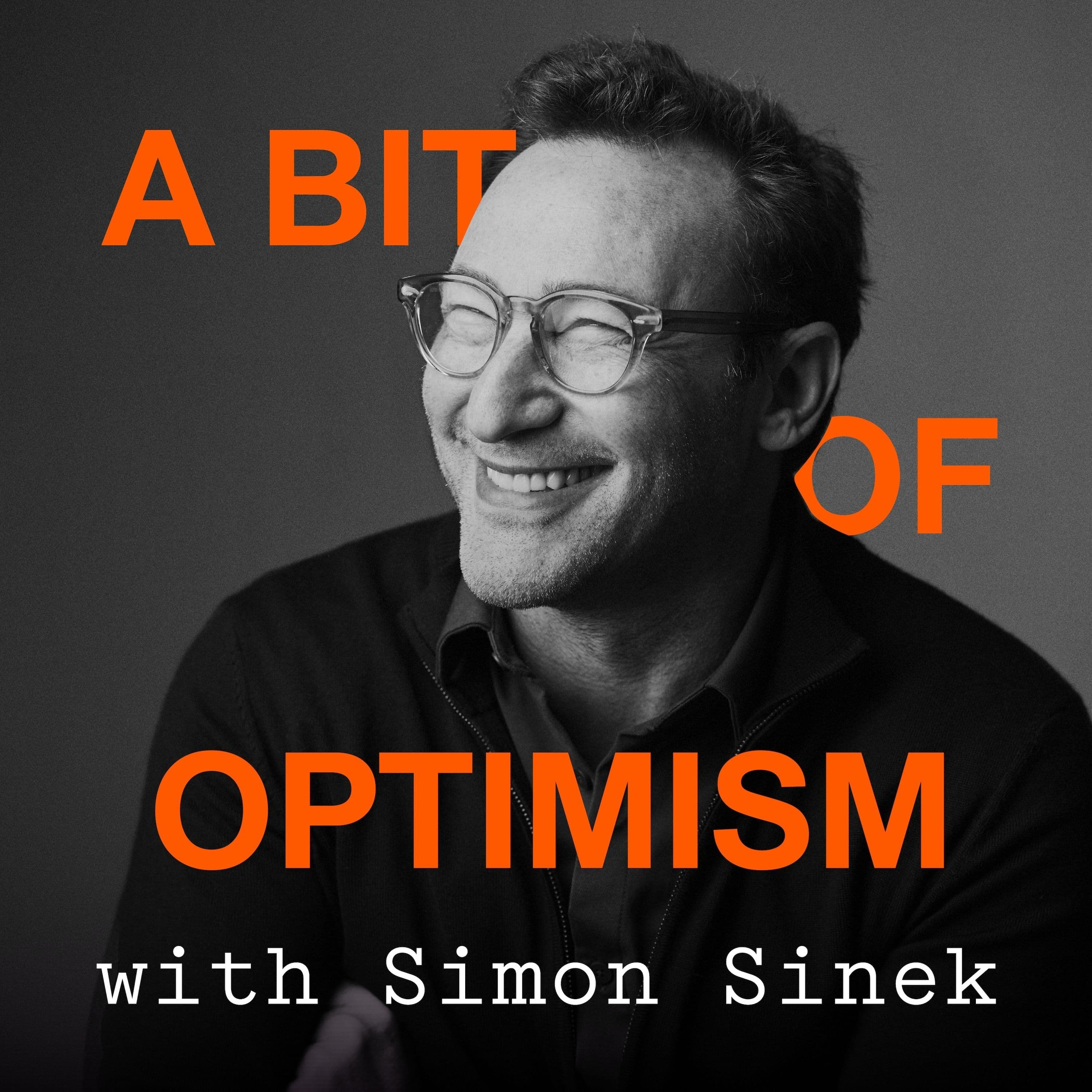
Revisited: Your Unhappy Brain Needs Some Assistance with Happiness Expert Mo Gawdat
Timestamps are as accurate as they can be but may be slightly off. We encourage you to listen to the full context.
Podcast Summary
This compelling episode features Mo Gawdat, former Chief Business Officer at Google X and bestselling author, sharing profound insights on finding happiness after experiencing unimaginable loss. (00:46) After the tragic death of his 21-year-old son Ali due to medical malpractice, Mo was forced to confront a fundamental truth: happiness is a choice, even under the most excruciating circumstances. Despite achieving wealth and success by age 29, Mo found himself clinically depressed until his son's wisdom taught him that happiness isn't something we acquire from external sources—it's our natural default setting that emerges when we remove the barriers we've constructed. (20:02) Now on a mission to make one billion people happy, Mo shares actionable strategies for removing stress, living in the present, and understanding that most unhappiness stems from the gap between life's events and our expectations.
- Main Theme: Happiness is both our default setting and a conscious choice that requires removing barriers rather than adding external achievements.
Speakers
Mo Gawdat
Mo Gawdat is a former Chief Business Officer at Google X and bestselling author who became wealthy by age 29 through his mathematical and software development skills during the early internet era. After experiencing clinical depression despite his material success, and later losing his 21-year-old son Ali to medical malpractice, Mo dedicated his life to understanding and teaching happiness. He is now on a mission to make one billion people happy and has authored international bestsellers on the subject.
Simon Sinek
Simon Sinek is the host of A Bit of Optimism podcast and a renowned author and speaker focused on leadership and human potential. He is known for his optimistic worldview and ability to explore deep philosophical concepts with guests, helping audiences understand how to find meaning and purpose in both personal and professional contexts.
Key Takeaways
Happiness is Your Default Setting - Remove Rather Than Add
Mo explains that every child is born happy, making happiness our natural default operating system. (53:43) The key insight is that external things cannot inherently bring happiness because nothing has an inherent value of happiness within it—rain can make you happy if you want rain, miserable if you don't. This leads to a powerful "negation strategy" where instead of making lists of things we think will bring happiness, we identify and systematically remove the sources of our unhappiness and stress. This approach is more effective because it works with our natural state rather than against it.
The Mathematics of Unhappiness: Events vs. Expectations
Mo presents a mathematical formula for understanding unhappiness: our happiness equals the events of our life minus our expectations of how life should be. (57:14) Most unhappiness stems not from life being objectively wrong, but from life not matching our desires—essentially six-year-old behavior carried into adulthood. By choosing our perception of events and setting realistic expectations, we can dramatically shift our emotional experience. For example, being stuck in traffic can be perceived as annoying waste of time or as evidence that "if this is the worst thing happening to me, life is good."
Practice Weekly Stress Inventory and Elimination
Mo recommends a powerful Saturday practice where he sets his alarm for 2 PM and spends the morning in reflection mode without internet, phone, or time awareness. (30:33) During this time, he writes down everything that stressed him the previous week and then systematically addresses each item—either by taking action to eliminate the stressor or by choosing not to let it affect him. This might involve texting a negative friend to request more positive interactions or fewer interactions altogether. The practice treats life stress as optional rather than inevitable.
The "Meet Becky" Brain Management Technique
Mo developed a technique called "Meet Becky" where he personifies his brain as an annoying person who offers problems without solutions. (77:31) The practice involves setting a 20-minute timer and writing down every negative thought your brain produces, with the rule that no idea can be repeated. Around minute 11, the brain typically runs out of complaints and enters a peaceful state. He then spends another 20 minutes reviewing the written thoughts, laughing at the ridiculous ones and creating action plans for legitimate concerns. This technique transforms the relationship with your inner critic from victim to observer.
Presence as the Antidote to Mental Time Travel
Mo reveals that most negative emotions are anchored in the past (regret, guilt) or future (anxiety, fear), while positive emotions like calm and excitement exist in the present moment. (65:12) Since past and future are neural constructs that only exist in our heads, bringing ourselves to the present moment—whether through coffee-making rituals, meditation, or simple awareness practices—naturally reduces mental suffering. He emphasizes that this doesn't require extensive meditation practice; even small moments of presence throughout the day can extend our experience of time and increase life satisfaction.
Statistics & Facts
- Mo became "filthy rich" by age 29 through his mathematical skills and software development during the early internet era, including coding a news crawler in 1996 that generated automatic buy/sell recommendations. (09:42)
- Mo is currently about 10% as wealthy as he used to be but describes himself as "filthy rich compared to my current needs," demonstrating how the relationship between money and happiness changes with perspective. (20:51)
- Research shows that if your income is less than the average income of the place you live in, it becomes difficult to find happiness, but beyond meeting basic needs, additional money doesn't correlate with increased happiness. (15:11)



