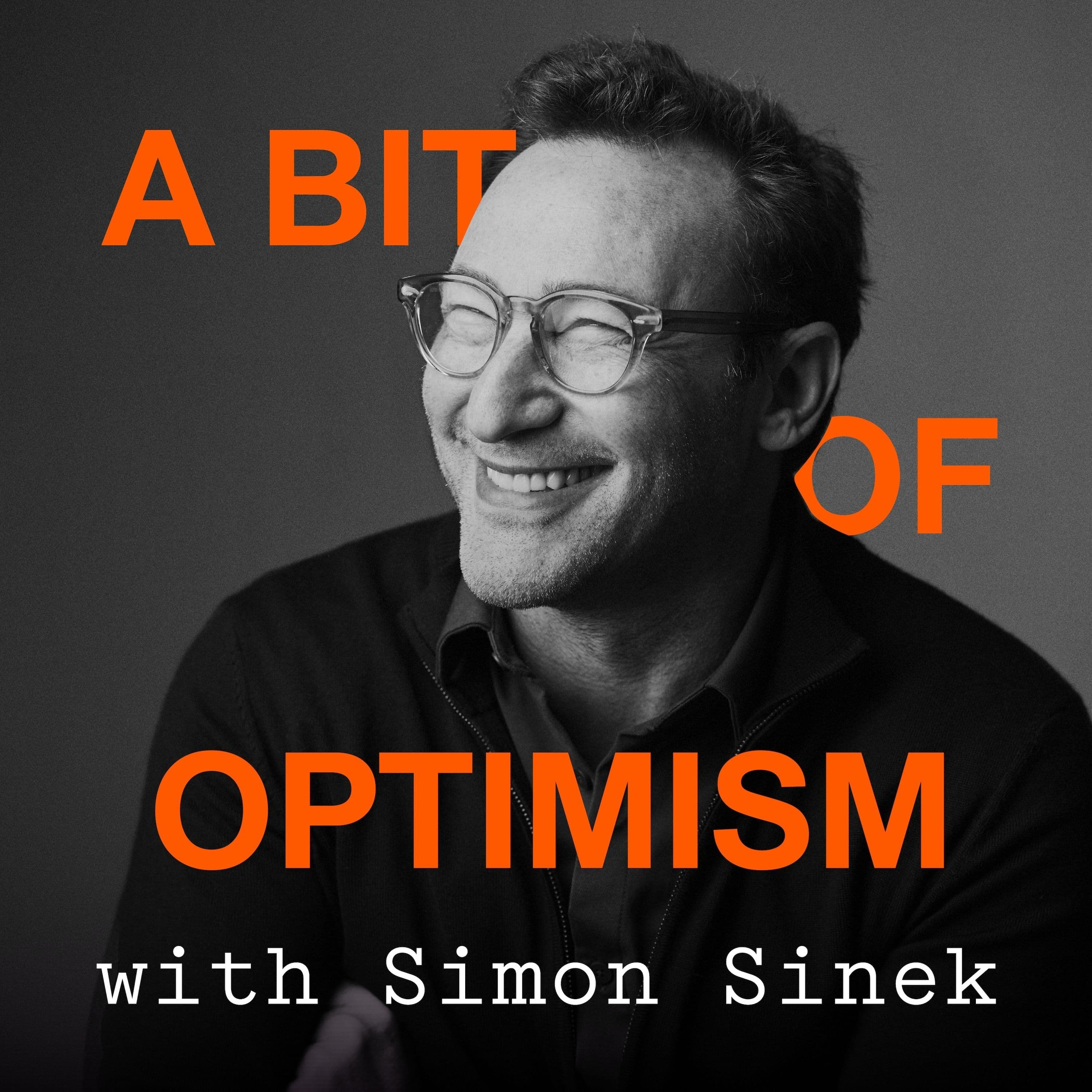
Revisited: The First Steps To Reducing Your Anxiety with Author Mel Robbins
Timestamps are as accurate as they can be but may be slightly off. We encourage you to listen to the full context.
Podcast Summary
Simon Sinek sits down with bestselling author and podcast host Mel Robbins to explore practical strategies for overcoming emotional overwhelm and taking control of our lives. (03:00) The conversation dives deep into Robbins' journey from being $800,000 in debt to becoming a force for positive change through simple yet powerful techniques. (13:45) They discuss her famous "5 Second Rule" - counting backwards 5-4-3-2-1 to push through excuses and take action - and her newer "Let Them Theory," which focuses on releasing control over others while taking accountability for ourselves. (24:24)
- Core themes include emotional resilience, personal accountability, and the power of simplicity in creating meaningful change in our daily lives
Speakers
Mel Robbins
Mel Robbins is a bestselling author, podcast host, and motivational speaker who transformed her life from being $800,000 in debt to helping millions worldwide through her practical life strategies. Her TEDx talk on the "5 Second Rule" became a viral phenomenon, and she now hosts one of the most popular podcasts in the world while continuing to develop frameworks like "The Let Them Theory" that empower people to take control of their lives.
Simon Sinek
Simon Sinek is a bestselling author and optimist who believes in inspiring others to do what inspires them. He's known for his TED Talk on "Start With Why" and has written multiple books exploring leadership, purpose, and human behavior, using his platform to help people and organizations find clarity and motivation in their work and relationships.
Key Takeaways
Master the Art of Action Over Emotion
The most transformative skill you can develop is learning to feel what you're feeling while still doing what needs to be done. (13:18) Robbins explains that emotions are simply chemical reactions that last about 90 seconds, yet we often let them dictate our entire response to situations. The key insight is that motivation is unreliable - it's never there when you need it most. Instead of waiting to "feel like" doing something, successful people develop the skill of taking action regardless of their emotional state. This isn't about suppressing emotions, but about understanding that you can acknowledge how you feel while still choosing actions aligned with your goals and values.
Stop Controlling Others, Start Controlling Yourself
The "Let Them Theory" revolutionizes how we approach relationships by shifting focus from trying to control others to managing our own responses. (25:44) When friends don't invite you out, when someone doesn't want commitment, when your kids refuse to join family activities - let them. This isn't about becoming indifferent, but about recognizing that people reveal their true priorities through their actions. Your power lies not in changing them, but in choosing how to respond based on your own values and what you want to create in your life. This approach eliminates the exhausting cycle of trying to manage other people's emotions and decisions.
Use the 5-Second Window to Break Patterns
The moment you have an instinct to act on something positive, you have exactly five seconds before your brain kills that motivation. (05:00) By counting backwards 5-4-3-2-1 and physically moving, you interrupt the brain's natural tendency to talk you out of action. This technique works because it bypasses the hesitation that typically leads to overthinking and excuse-making. Whether it's getting out of bed, starting a workout, making a difficult phone call, or speaking up in a meeting, the five-second rule provides a simple mechanism to push through the mental resistance that keeps us stuck in unproductive patterns.
Understand the True Nature of Adult Friendship
Adult friendship requires three essential elements: proximity, timing, and energy alignment. (40:21) Unlike childhood friendships that develop naturally through shared circumstances like school, adult relationships require intentional effort and realistic expectations. Research shows it takes approximately 200 hours to develop a close friendship, which explains why maintaining connections becomes challenging as life circumstances diverge. The key is shifting from expecting to be included to actively creating the social connections you want. This means being the one who reaches out, makes plans, and invests in relationships without keeping score, while also understanding that some friendships will naturally fade as circumstances change.
Recognize When Sadness Becomes Destructive
While sadness is a healthy response to grief, disappointment, or major life changes, there's a crucial tipping point where processing emotions becomes drowning in them. (21:21) Robbins shares her experience of moving to a new town at age 52, feeling lonely and sad for months - which was appropriate for such a major transition. However, she recognizes that she "over-indexed on sadness for probably six months too long." The skill lies in distinguishing between necessary emotional processing and destructive wallowing, then using tools like the 5-second rule to take action when sadness stops serving you and starts holding you back.
Statistics & Facts
- Research shows it takes approximately 70 hours of interaction to develop a casual friendship and around 200 hours to become close friends. (40:47) This explains why college friendships formed easily due to constant proximity through dorm living and shared activities.
- Mel Robbins was $800,000 in debt when she developed the 5 Second Rule technique, demonstrating how desperate circumstances often lead to breakthrough innovations. (02:42)
- Emotions are chemical reactions that explode within six seconds, and research shows most emotions dissipate in 90 seconds if you allow them to rise and fall like a wave rather than feeding them with thoughts. (19:44)



