The secret to Duolingo's social success with Zaria Parvez - Semrush Spotlight
Timestamps are as accurate as they can be but may be slightly off. We encourage you to listen to the full context.
Podcast Summary
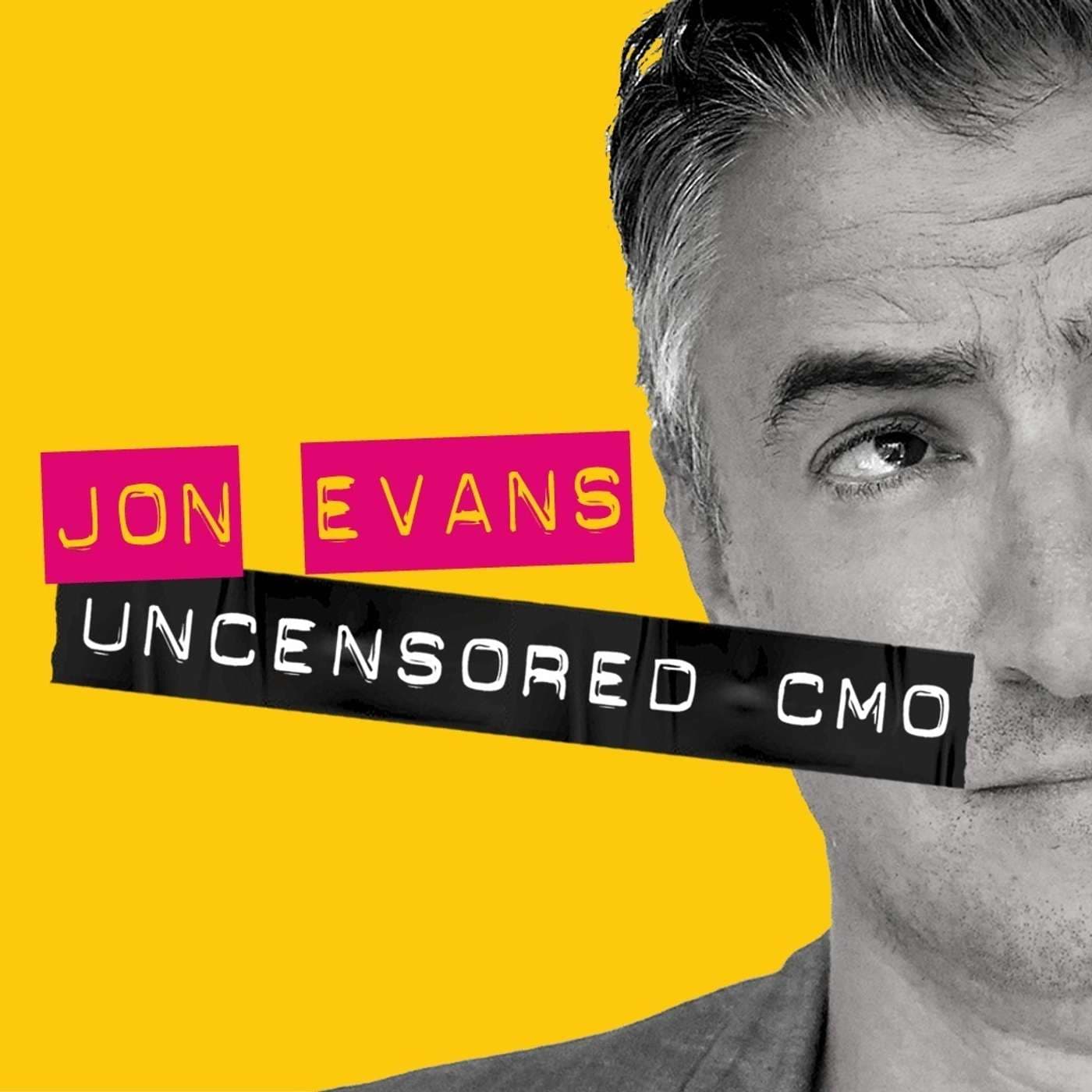
In this captivating episode of The Uncensored CMO, host John Evans sits down with Zaria Parvez, the creative mastermind who transformed Duolingo from 750,000 followers to over 17 million across social platforms. (01:34) Zaria recently made headlines with her move from Duolingo to DoorDash, where she's taking on the challenge of bringing social-first thinking to a traditional brand. The conversation dives deep into the secrets behind Duolingo's viral success, from the infamous "killing Duo" campaign (11:23) to sending the mascot's ashes to Dua Lipa. (13:23)
- Core themes include viral content creation, the importance of creative freedom, building personal brands alongside corporate success, and the evolving landscape of social media marketing in the AI era
Speakers
Zaria Parvez
Zaria Parvez is a social media strategist who joined Duolingo in 2020 straight out of university at age 22 and transformed the company's social presence from 750,000 to over 17 million followers. She was the creative force behind viral campaigns including the "Dead Duo" phenomenon and worked closely with the Duolingo mascot to create 8 billion impressions over five years. She recently transitioned to DoorDash as their head of social media, taking on the challenge of bringing social-first thinking to a traditional brand.
John Evans
John Evans is the host of The Uncensored CMO podcast and works in marketing strategy. He conducts in-depth interviews with marketing leaders and has experience in brand research, having worked with companies like System One on TikTok marketing effectiveness studies.
Key Takeaways
Embrace Creative Freedom Over Approval Processes
Zaria's success at Duolingo stemmed from being given creative freedom from day one, without knowing she needed permission for posts to go out. (05:06) She approached content creation as a creator rather than an advertiser, which allowed for more authentic and engaging content. This naive mindset actually helped her avoid the typical corporate constraints that can stifle creativity. When transitioning to new roles, she emphasizes setting expectations early about needing creative freedom to succeed, even telling her new boss at DoorDash that this was non-negotiable for her success.
Accept That 15% Negative Sentiment Comes With Viral Success
One of the key cultural conditions for successful social campaigns is not being afraid of negative sentiment. (14:14) Zaria learned that anything that goes viral will inevitably come with about 15% negative feedback, and accepting this allows for greater creative freedom. She uses an interesting filter: if other marketers are criticizing their work, that's often a good sign because marketers aren't representative of the average consumer. This mindset shift from fear to acceptance of criticism enables brands to take bigger creative risks.
Build Content Around Universal Human Truths
Effective social content creation involves identifying 3-4 core human truths about your brand and injecting trends into those consistent themes. (16:25) For Duolingo, these truths included "language learning is hard," "people enjoy using language to talk trash," and the idea that learning should be fun. By having these parameters clearly defined, it becomes easier to shape trending topics into brand-relevant content. This framework ensures consistency while allowing for creative flexibility within established boundaries.
Differentiate Between Bonfire, Campfire, and Firework Content
Zaria shares a strategic framework from Wimbledon's social team that categorizes content into three types: bonfire (day-to-day content), campfire (medium-tier content), and firework (once-quarterly major viral moments). (18:37) This framework helps balance short-term reactive content with long-term strategic planning. The "Dead Duo" campaign exemplified a firework moment - original creative work designed to break the internet rather than just follow trends. This structure also helps with resource allocation and risk management across different content tiers.
Personal Brand Building Is Essential for Career Protection
Zaria emphasizes that building a personal brand alongside corporate work is crucial because "the only thing you can genuinely have that is fully yours is what you put out in the world." (25:38) Her LinkedIn post about being behind Duolingo's success became the foundation of her personal brand, opening doors and creating opportunities beyond her corporate role. She advises that since everyone works for corporations, having your own platform and voice provides security and leverage in your career, while also serving as a walking advertisement for your employer.
Statistics & Facts
- Duolingo's social following grew from 750,000 to over 17 million followers under Zaria's leadership, representing a 2,267% increase in audience size. This growth occurred over approximately 5 years, with Zaria generating 8 billion impressions during her tenure.
- The "Dead Duo" campaign originally planned for 3 posts expanded to 8 posts over 2 weeks due to overwhelming audience engagement and co-creation with the community. (12:32)
- Zaria's LinkedIn post announcing her departure from Duolingo received 50,000 likes, which she initially wrote just for her college professors but became a viral moment showcasing the power of authentic personal storytelling. (25:22)



