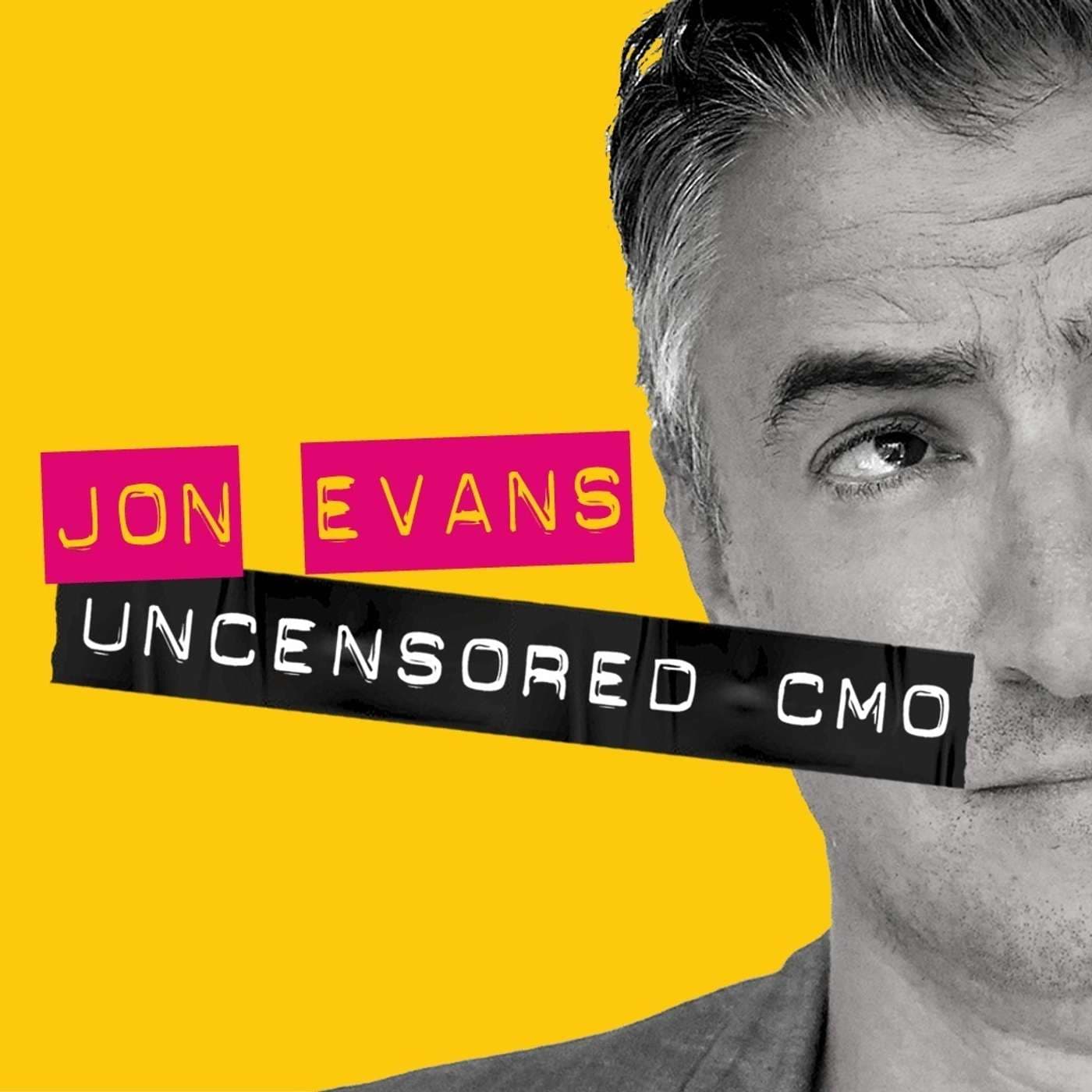
How Not to Plan in 2026 with Les and Sarah
Timestamps are as accurate as they can be but may be slightly off. We encourage you to listen to the full context.
Podcast Summary
Marketing experts Les Binet and Sarah Carter return for their annual review of the year's biggest marketing trends and insights for 2026. (00:38) The episode explores how 2024 became "the year of consistency," with brands finally discovering the power of repeating successful campaigns rather than constantly creating new ones. The discussion covers the concept of "disguised repetition," why big brands can't market like small brands, and the critical importance of media spend over creative efficiency. (38:27) They also examine the shift away from purpose-driven marketing toward product-focused advertising and the role of craft versus AI in creating effective campaigns.
- Main Theme: The marketing industry's growing recognition of consistency and compound creativity as drivers of long-term effectiveness, alongside the renaissance of product-focused marketing over purpose-driven approaches.
Speakers
Les Binet
Co-author of "The Long and the Short of It" and a leading voice in marketing effectiveness research. Binet has been instrumental in developing share of voice theory and analyzing the IPA databank to understand what truly drives marketing effectiveness. He spoke at Cannes Lions for the first time in 2024, focusing on the importance of media spend and creative commitment in long-term marketing success.
Sarah Carter
Marketing effectiveness expert and frequent collaborator with Les Binet on research projects. Carter specializes in the intersection of creativity and consistency, having presented at Cannes Lions 2024 on how consistency can serve as both an unlock and constraint for creativity. She has extensive experience working with major brands on long-term campaign development and compound creativity strategies.
Key Takeaways
Embrace Compound Creativity Through Disguised Repetition
The most effective campaigns build memory through repetition while maintaining freshness through creative evolution. (05:26) Sarah Carter emphasizes that brilliant creativity disguises repetition, citing Marmite's 30-year "love it or hate it" campaign as an example where creators are eager to work on the brand because of the creative challenge of keeping the core idea fresh. Rather than constantly starting from scratch, brands should find ways to evolve existing successful concepts, using what Carter calls "imaginative repetition" to maintain audience interest while building brand memory brick by brick.
Prioritize Media Spend Over Creative Efficiency
Research from the IPA databank reveals that effectiveness is 90% driven by spend and only 10% by efficiency, contradicting CMOs' beliefs that it's two-thirds creative efficiency and one-third spend. (12:28) Les Binet explains that the biggest marketing decision isn't about creative or media strategy—it's about budget allocation. While variations in ROI rarely exceed small increments, budget can be scaled up or down by factors of 10, making spend the most controllable and impactful lever for driving results.
Reject Small Brand Envy and Play to Your Scale
Big brands attempting to emulate small brand tactics often fail because the strategies that create lift-off aren't the same ones needed to maintain altitude. (17:07) As James Herman's research shows, if you market like a small brand, you become a small brand. Large established brands have different advantages—broader distribution, larger budgets, and established mental availability—that require different playbooks than startups focused on conversion and building initial brand awareness in high-interest categories.
Focus on Product Renaissance Over Purpose Marketing
The most effective marketing in 2024 returned to showcasing products and creating desire at scale, moving away from abstract purpose-driven messaging. (38:18) Successful campaigns like McDonald's Gherkin Transfer ad and Heinz's product-focused work demonstrate how brands can create emotional connections through product obsessions discovered via social listening, rather than floating into abstract values that could apply to any brand in any category.
Leverage Social Listening for Authentic Product Stories
Modern social media provides unprecedented anthropological insights into how people actually use and obsess over products in unexpected ways. (43:36) This worm's-eye view of consumer behavior enables brands to discover authentic product stories—like people's obsession with McDonald's gherkins or unique uses of Vaseline—that can be transformed into compelling campaigns that feel both product-focused and emotionally resonant.
Statistics & Facts
- The IPA database analysis shows that marketing effectiveness is approximately 90% driven by spend and only 10% by efficiency, contradicting most CMOs' beliefs that it's two-thirds creative efficiency. (14:54)
- Research suggests that 20-30% of an advertisement's selling power comes down to the choice of music, meaning roughly 30% of volume sold can be attributed to the music track selection. (57:35)
- Amazon's "Sledging Grannies" advertisement scored exactly the same in testing when re-run two years later, demonstrating that good ads don't wear out as quickly as marketers assume. (03:15)



