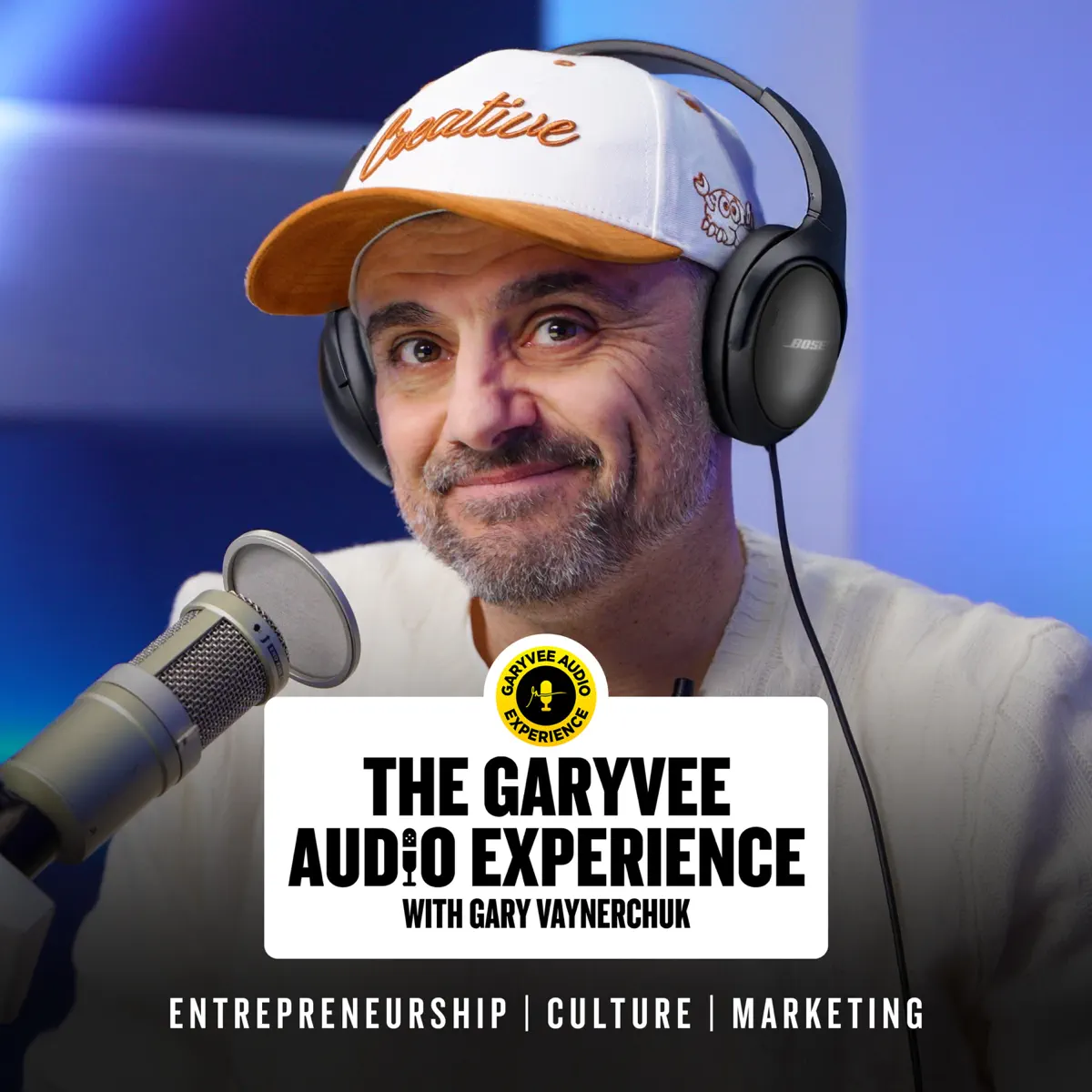
The Truth About Your Energy, Insecurity, and That Thing You've Failed at for 10 Years
Timestamps are as accurate as they can be but may be slightly off. We encourage you to listen to the full context.
Podcast Summary
In this episode of Tea with Gary Vee, Gary explores multiple facets of entrepreneurship while answering audience questions. (00:00) He kicks off by promoting his investment in Stan Store, a tool designed for creator entrepreneurs. The episode covers his bullish stance on fictional character trading cards, touching on his recent purchases at the Sports Card National. (58:00) Gary welcomes entrepreneur Michael Chernow to discuss his health brand Creatures of Habit and their crowdfunding campaign on StartEngine. The conversation then shifts to addressing gender dynamics in entrepreneurship, emphasizing that market merit transcends demographics. (26:15) Gary provides life coaching to a 23-year-old aspiring K-pop performer from the Philippines, discussing energy management and dream pursuit. The episode concludes with advice on knowing when to quit projects and understanding the relationship between awareness and scarcity in art markets.
- Core themes include entrepreneurship strategies, collectibles investing, gender equality in business, self-confidence building, and the balance between pursuing dreams while maintaining financial stability.
Speakers
Gary Vaynerchuk
Gary Vaynerchuk is a serial entrepreneur, investor, and media personality who built VaynerMedia into a major digital marketing agency. He's the author of multiple bestselling business books including "Crush It" and "Crushing It" and has made numerous successful investments in companies like Twitter, Facebook, and Uber. Gary is also the creator of VeeFriends, a popular NFT project, and hosts multiple podcasts focused on entrepreneurship and business strategy.
Michael Chernow
Michael Chernow is a successful restaurateur and entrepreneur who founded multiple popular New York City restaurant chains including Meatball Shop and Seamore's. He has since transitioned into the wellness space as founder of Creatures of Habit, a lifestyle wellness brand focused on healthy nutritional habits. Michael is currently running a crowdfunding campaign on StartEngine and has built a strong community around health-focused products.
Key Takeaways
Focus on Self-Worth Over External Validation
Gary emphasizes the critical importance of being your own biggest fan rather than seeking approval from others. (23:23) When addressing a listener who felt ignored at social gatherings, Gary stressed that insecurity leads people to avoid taking initiative in conversations. He argues that people who judge you negatively aren't worth your time anyway, and focusing on winning over those who don't believe in you is counterproductive. The key insight is that time is your most valuable asset, so don't waste it trying to convince people who are already predisposed against you.
Energy Comes from Pursuing Your Dreams, Not Avoiding Them
When counseling 23-year-old Melanie about balancing work and her K-pop dreams, Gary delivered a powerful insight about energy management. (31:01) He explained that pursuing your passion actually fuels your ability to work harder at traditional jobs, rather than draining your energy. Gary emphasized that at 23, she has unlimited energy, and the feeling of being drained comes from worry and indecision, not from actual work. The dream becomes the fuel that powers everything else, making it possible to excel both professionally and personally.
Market Merit Transcends Demographics in Entrepreneurship
Gary addressed gender dynamics in entrepreneurship by emphasizing that the market ultimately decides success regardless of demographics. (21:07) He used Melanie Perkins from Canva as an example of how female entrepreneurs can build massive companies despite initial skepticism. His core message is that entrepreneurship operates on merit - the market doesn't care about your gender, race, or background. While acknowledging that bias exists, he advocates focusing energy on building rather than trying to change the minds of biased individuals.
Know When to Quit After Sustained Failure
Gary delivered surprisingly direct advice about when to abandon failed projects, advocating for a three-year maximum commitment to struggling ventures. (35:18) When addressing "Vic" who had been working on something unsuccessfully for ten years, Gary was uncharacteristically blunt about the need to quit. His reasoning is that even someone committed to never giving up should recognize when a decade of effort without results indicates fundamental problems with the concept or execution.
Awareness Creates Scarcity, Not the Opposite
Gary corrected a common misconception about marketing high-end art and collectibles. (38:05) He explained that awareness doesn't kill mystique or exclusivity - it's actually required to create valuable scarcity. Using the Mona Lisa as an example, he demonstrated that the world's most valuable and exclusive artwork is also the most well-known. This insight applies to any premium product or service: you need awareness to establish value before scarcity becomes meaningful.
Statistics & Facts
- Michael Chernow's Creatures of Habit raised over $600,000 in under three weeks on StartEngine, making it the fastest-funded campaign on the platform. (05:45) This demonstrates the power of community-driven crowdfunding for established entrepreneurs.
- Gary's Ronaldo rookie card investment achieved a 6x return after initially losing half its value during a market downturn. (04:28) This illustrates the importance of patience in collectibles investing.
- Hippos kill more people each year than sharks, contrary to popular perception about dangerous animals. (37:16) Gary used this as an example of how we're often misled about actual risks.



