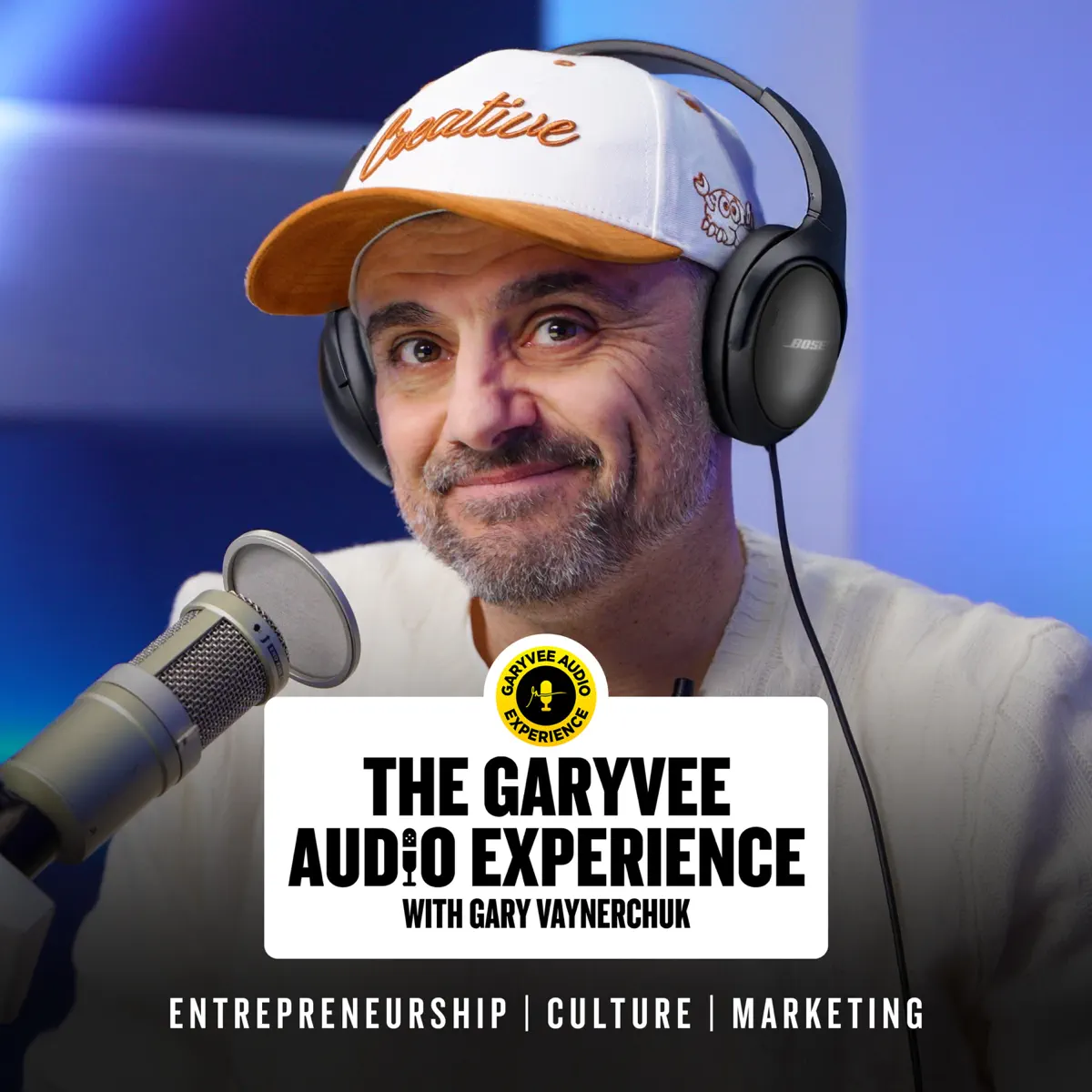
Starting a Business, Building Brand and Overcoming Doubt | Tea with GaryVee Ep #86
Timestamps are as accurate as they can be but may be slightly off. We encourage you to listen to the full context.
Podcast Summary
In this dynamic episode of Tea with Gary Vee, Gary Vaynerchuk delivers his signature no-nonsense approach to building authentic success in today's creator economy. The episode covers essential strategies for standing out as a creator, building sustainable businesses, and leveraging social media platforms effectively. Gary addresses questions from aspiring entrepreneurs, financial advisors, and business owners, emphasizing the critical importance of providing genuine value over seeking quick wins. (05:00)
- Main themes include the necessity of authentic content creation, the power of consistency over trends, and practical strategies for scaling businesses through social media engagement
Speakers
Gary Vaynerchuk
Gary Vaynerchuk is the CEO of VaynerX, a modern media and communications holding company, and VaynerMedia, one of the world's hottest digital agencies. He's also an angel investor, five-time New York Times bestselling author, and a prolific content creator who built his family's wine business from $3M to $60M through innovative digital marketing strategies. Known for his direct communication style and deep understanding of social media algorithms, Gary has become one of the most sought-after marketing experts for Fortune 500 companies and entrepreneurs alike.
Key Takeaways
Focus 100% on Your Audience, Not Yourself
The fundamental difference between successful creators and those who struggle lies in their focus. Gary emphasizes that 99% of creators fail because they're "worried about them" instead of providing genuine value to their audience. (05:00) The most effective creators understand that success comes from a "give, give, give and then ask" mentality rather than expecting immediate returns. This means creating content that genuinely helps, entertains, or educates your audience before ever asking for anything in return. Gary's own example illustrates this - instead of vacationing in Saint Tropez like his contemporaries, he chooses to grind daily to provide value to his audience. (05:33)
Consistency and Volume Trump Perfect Timing
Gary advocates for creating 50 pieces of content daily instead of just one, emphasizing that volume and consistency are the real keys to breaking through the noise. (13:40) Most people try content creation for a day, week, or month, don't see immediate results, and quit - similar to fitness routines. The reality is that meaningful results require 18 months of extreme effort before determining if a strategy isn't working. This approach requires treating content creation like a serious fitness regimen, where daily commitment and progressive improvement are non-negotiable.
Authenticity Over Trend-Following
When asked about standing out while following trends, Gary points out the obvious contradiction: "Hey, I can't break out and get followers because I'm following the trends like everyone else." (08:44) Instead of chasing what everyone else is doing, successful creators should leverage their unique knowledge and perspectives. Gary uses the example of his son's deep UFC knowledge - expertise that could create valuable content for other MMA fans. The key is identifying what you genuinely know well and sharing that knowledge authentically, rather than mimicking others' content strategies.
Accountability is the Path to Recovery
Gary addresses someone who's been fired from four consecutive jobs with direct accountability advice. Rather than wallowing in self-doubt, he suggests reaching out to former employers to understand exactly why they were let go. (21:18) This demonstrates a crucial mindset shift from "I'm hurting and it's these people's faults" to "I'm hurting and I don't blame anyone else." Taking radical accountability for failures and actively seeking feedback allows for genuine improvement and course correction, which is essential for professional growth.
Leverage Platform-Specific Strengths for Business Growth
Gary explains why TikTok Live is superior to platforms like Whatnot for business growth - when you go live on TikTok, you appear in random people's feeds among hundreds of millions of users. (30:36) For the Texas beef company owner, this means massive potential reach versus Whatnot's smaller, more contained audience. The strategy is to go "ham" on the platform with the highest potential reach for 150-200 days rather than spreading thin across multiple platforms with minimal effort on each.
Statistics & Facts
- Gary states that 99% of people are not good enough content creators for audiences to care about their posts, with the actual number being "higher than that." (04:37) This statistic emphasizes how competitive the creator landscape truly is.
- Gary mentions he was a "one person shop" for eight years (2006-2014), working 15 hours a day on content creation before building his team. (16:45) This demonstrates the level of personal commitment required for breakthrough success.
- VaynerMedia's biggest growth in the last 13 months has been replacing in-house social media teams at Fortune 500 companies, indicating a trend toward specialized agency work over internal teams. (25:44)



