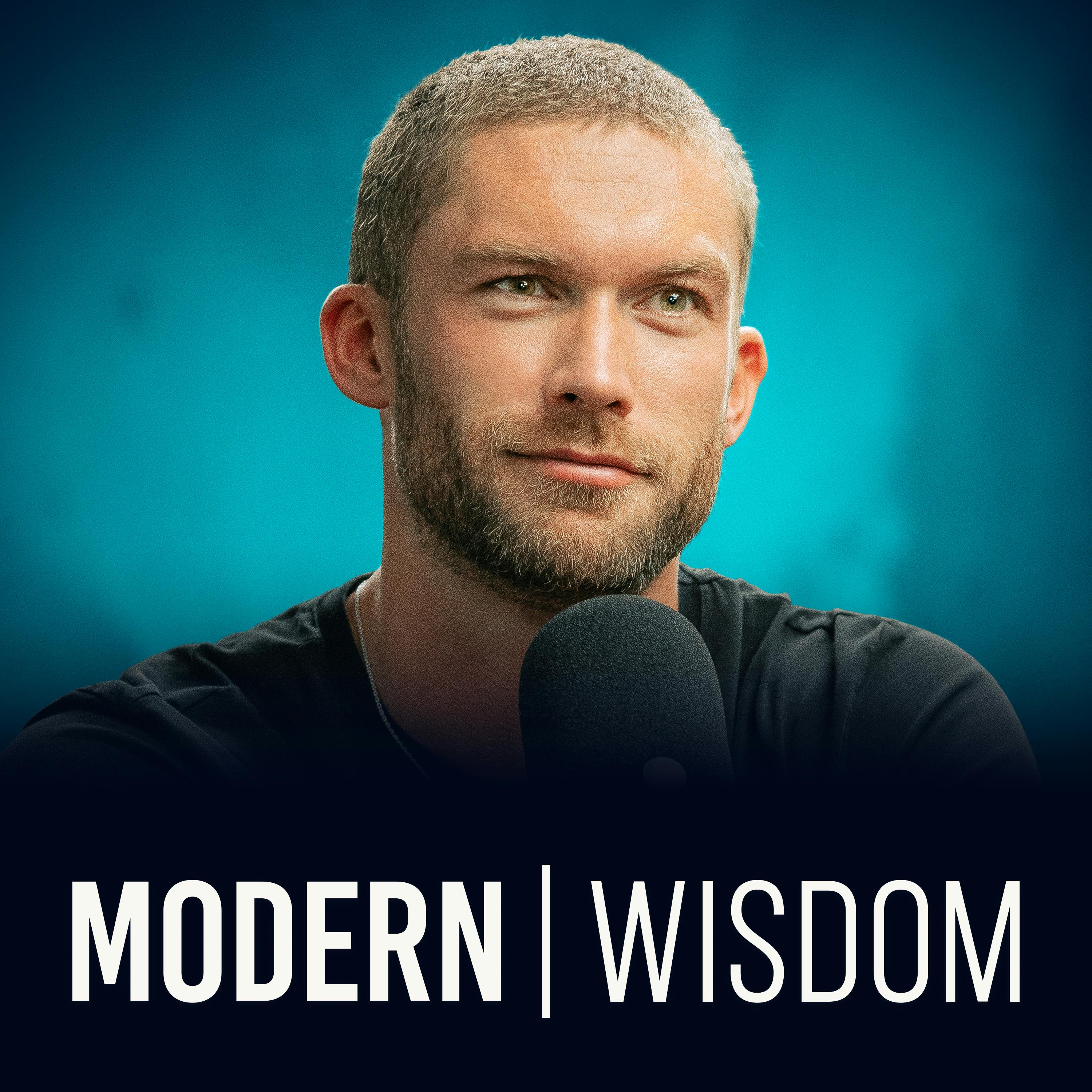
Louis Tomlinson: "The Room Was Cold That Day". When The Police Knocked... I Just Knew
Timestamps are as accurate as they can be but may be slightly off. We encourage you to listen to the full context.
Podcast Summary
In this powerful and deeply personal conversation, Louis Tomlinson opens up about his journey from growing up in a working-class family in Doncaster to becoming a global superstar with One Direction, and ultimately finding himself as a solo artist. (03:14) The episode explores the profound challenges he's faced, including the loss of his mother Johannah to leukemia and his sister Felicity, while also celebrating his growth as a father, artist, and entrepreneur.
- Core themes include resilience through grief, the impact of fame on personal identity, family responsibility, and the evolution from manufactured pop success to authentic artistry
Speakers
Louis Tomlinson
Louis Tomlinson rose to global fame as a member of One Direction after being formed on The X Factor in 2010. Born and raised in Doncaster, he's since established himself as a successful solo artist, achieving a number one album with "Faith in the Future." Beyond music, he's founded the Away From Home Festival and launched the streetwear brand Twenty Eight, while being a dedicated father to his son Freddie.
Steven Bartlett
Steven Bartlett is the host of The Diary of a CEO podcast and entrepreneur who built and sold Social Chain. He's the author of multiple bestselling books and has interviewed hundreds of high-profile guests, bringing a deeply empathetic and research-driven approach to conversations about success, mental health, and human resilience.
Key Takeaways
Authenticity Over Manufactured Success
Louis emphasizes the importance of staying true to your roots despite external pressures to change. (07:07) He consciously resisted the typical boy band image, pushing back against record label expectations to maintain authenticity. His friends from Doncaster note he never changed despite massive success. This resistance to being "swept away" by lifestyle changes helped him maintain genuine connections and self-respect. The key is having people around you who will tell you when you're being a "dick" - surrounding yourself only with success breeds a dangerous narrative disconnect from reality.
Purpose Through Adversity Creates Resilience
When faced with his mother's death, Louis found that having a clear purpose - caring for his younger sisters - actually helped him process grief more effectively. (67:58) Rather than wallowing, he had immediate responsibilities that gave him reason to get out of bed during the darkest days. This demonstrates how external obligations and care for others can provide structure and meaning during personal crisis. The lesson is that finding purpose beyond yourself, especially in caring for others, can be a powerful tool for resilience during life's most challenging moments.
Control and Autonomy Protect Mental Health
Louis credits his willingness to push back against the One Direction machine as crucial for his psychological wellbeing. (19:38) While other band members experienced learned helplessness, Louis maintained his sense of agency by speaking up to record labels and management. This sense of control, even in small ways, provided psychological protection against the overwhelming nature of fame. The takeaway is that maintaining some level of personal autonomy, even in situations where you have limited control, is essential for mental health and self-preservation.
Redefining Success Requires Internal Work
At 33, Louis is still working to genuinely internalize a new definition of success beyond the massive scale of One Direction. (109:25) He acknowledges that while he intellectually knows success should be about fulfillment rather than numbers, the music industry's competitive nature makes this difficult to truly embrace. True success for him would be "successfully computing what the new idea of success is" - meaning genuinely believing it, not just saying it. This highlights how redefining success requires deep internal work, not just intellectual understanding.
Vulnerability and Openness Are Strengths
Throughout the interview, Louis demonstrates that emotional vulnerability and the ability to discuss feelings openly is actually a source of strength, not weakness. (03:43) He credits his mother for instilling this quality from a young age, noting it's "vitally important" for navigating his career. His willingness to be emotional and discuss his feelings helps him connect authentically with others and process difficult experiences. The lesson is that emotional intelligence and vulnerability are professional and personal assets, not liabilities.
Statistics & Facts
- Louis was 18 when One Direction was formed, making him the oldest member, while Harry, Liam, and Niall were 16, and Zayn was 17. (57:49)
- He lived in a three-bedroom house with seven family members during his childhood, which shaped his comfort with close relationships and difficulty being alone. (05:20)
- Louis became a father at 24 years old to his son Freddie, describing fatherhood as something he always felt confident about and excited to embrace.