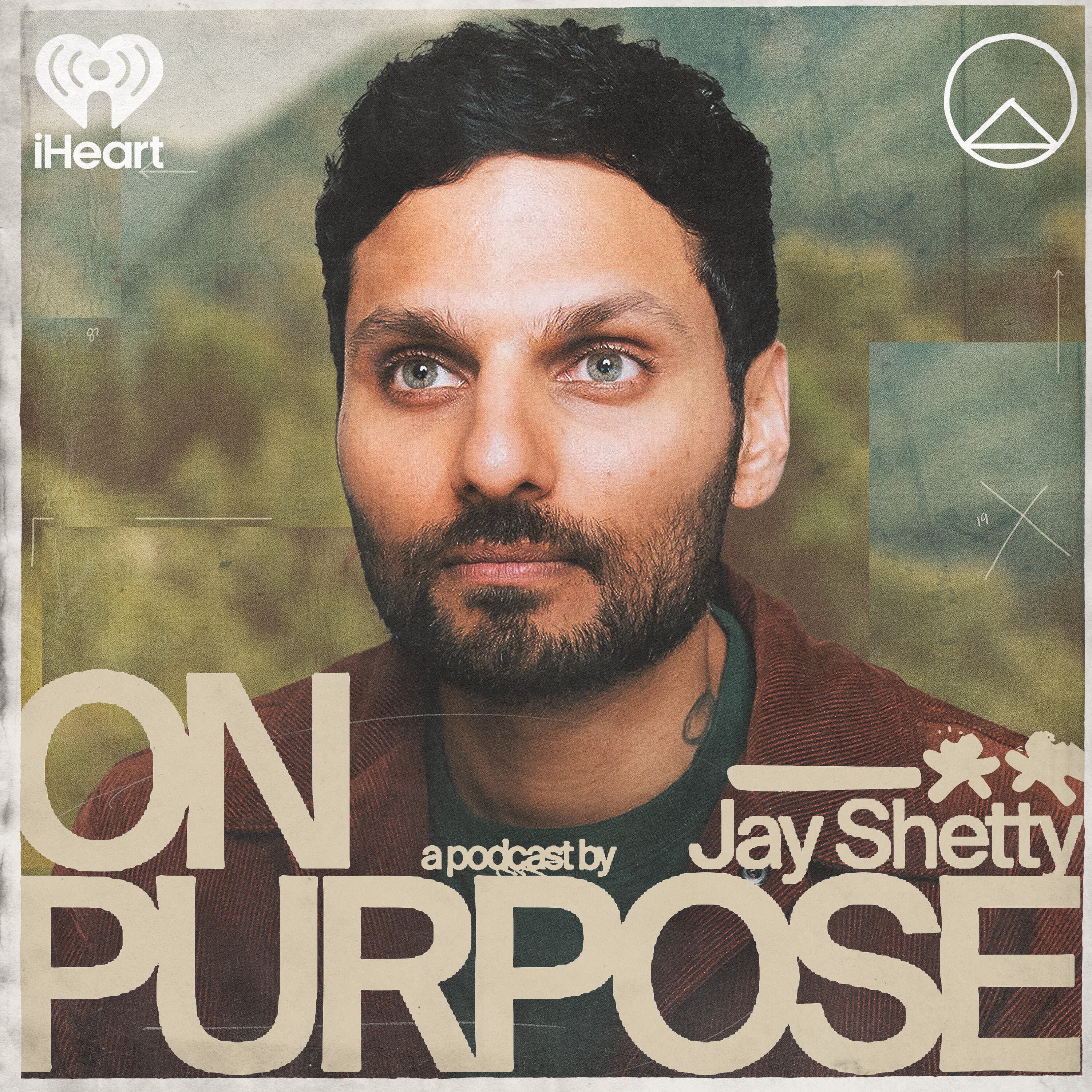
Divorce Lawyer James Sexton: #1 Conversation Every Couple Should Have Before it’s Too Late (Use THIS 3-Step Script TODAY!)
Timestamps are as accurate as they can be but may be slightly off. We encourage you to listen to the full context.
Podcast Summary
James Sexton, a renowned divorce attorney with over 25 years of experience, shares his unique perspective on love, marriage, and what it takes to build lasting relationships. Despite facilitating the end of countless marriages, Sexton has developed profound insights into what makes relationships thrive. He explores the paradox that over 50% of marriages end in divorce, yet 86% of divorced people remarry within five years, suggesting our deep human need for connection. (01:09) The conversation reveals that the biggest marriage killer isn't infidelity or financial issues—it's disconnection and the gradual loss of seeing and making your partner feel seen. Sexton emphasizes that love requires tremendous courage and vulnerability, comparing it to holding someone's heart without knowing if they can properly care for it for decades. (14:36)
• Main theme: Understanding the real reasons marriages succeed or fail, moving beyond surface-level symptoms to address root causes like disconnection and the loss of curiosity about one's partnerSpeakers
Jay Shetty
Host of On Purpose, the number one health podcast in the world. A former monk turned life coach and bestselling author, Jay provides guidance on personal growth, relationships, and intentional living to millions of listeners worldwide.
James Sexton
A prominent divorce attorney with over 25 years of experience representing high-profile clients in New York City. Author of "How to Stay in Love: A Divorce Lawyer's Guide to Staying Together." Despite his profession facilitating the end of marriages, Sexton has developed unique insights into what makes relationships work, drawing from thousands of cases to understand the real reasons couples separate and how to prevent it.
Key Takeaways
The Marriage Paradox: Fear as a Prerequisite for Bravery
Sexton reveals that you should be scared to get married because every marriage ends—either in death or divorce. (13:48) However, this fear doesn't mean you shouldn't marry; instead, it means marriage is an act of tremendous courage. The vulnerability of opening your heart to someone while knowing you could lose them is what makes love brave. Context: This reframes pre-wedding anxiety as natural and healthy rather than a red flag, helping couples understand that uncertainty doesn't indicate a doomed relationship.
Disconnection is the Real Marriage Killer, Not Cheating or Money
While people expect to hear about infidelity or financial problems, the root cause of most divorces is disconnection from your partner and yourself. (20:26) This disconnection manifests as no longer seeing your partner or making them feel seen—becoming blind to someone you see every day, like furniture in your home. Small gestures of recognition and appreciation become crucial for maintaining connection. Example: A client knew her marriage was over when her husband stopped replacing her favorite granola without being asked, a small act that had always made her feel loved and seen.
Small Gestures Matter More Than Grand Romantic Displays
The most powerful expressions of love aren't expensive gifts or elaborate date nights—they're small, consistent acts of care and attention. (23:43) These might include getting your partner water before they ask, replacing something before it runs out, or simply texting "I married the prettiest girl in the world." Context: Sexton shares a story about a client whose marriage began failing when her husband stopped proactively buying her favorite granola, demonstrating how these seemingly minor gestures communicate deep love and attention.
Reframe Relationship Conversations from Negative to Positive
Instead of focusing on what's missing or wrong ("We never have sex anymore," "You don't listen"), frame conversations around what you want to create together. (47:48) Say "I miss feeling connected to you" rather than "We're growing apart." This approach invites collaboration rather than defensiveness. Example: Rather than complaining about lack of intimacy, express how much you enjoy that connection and want to prioritize it together.
Everyone Needs a Prenup—You Already Have One Written by the Government
Every marriage has a contract that governs what happens if it ends—either one written by you and your partner, or one written by the government that you've never seen and that can be changed without your consent. (84:32) A prenup isn't about lacking faith in the relationship; it's about taking control of the rules that will govern your partnership rather than leaving it to bureaucrats. Context: Sexton argues this is about safety and empowerment, helping both partners feel secure rather than dependent.
Statistics & Facts
- Over 50% of marriages end in divorce, but 86% of people who divorce remarry within five years. (04:57) Context: This statistic reveals the paradox that despite high divorce rates, people continue to believe in marriage and seek romantic partnership, suggesting the institution's importance to human connection.
- Over 70% of divorces are filed by women. (144:42) Context: Sexton explains this isn't because women are "cashing out" but often because men are more likely to simply leave without initiating legal proceedings, forcing women to file for practical reasons like child support and financial stability.
- 99% of domestic violence perpetrators grew up in households with abuse. (39:46) Context: This demonstrates how relationship patterns are learned behaviors passed down through generations, highlighting the importance of conscious effort to break negative cycles.



