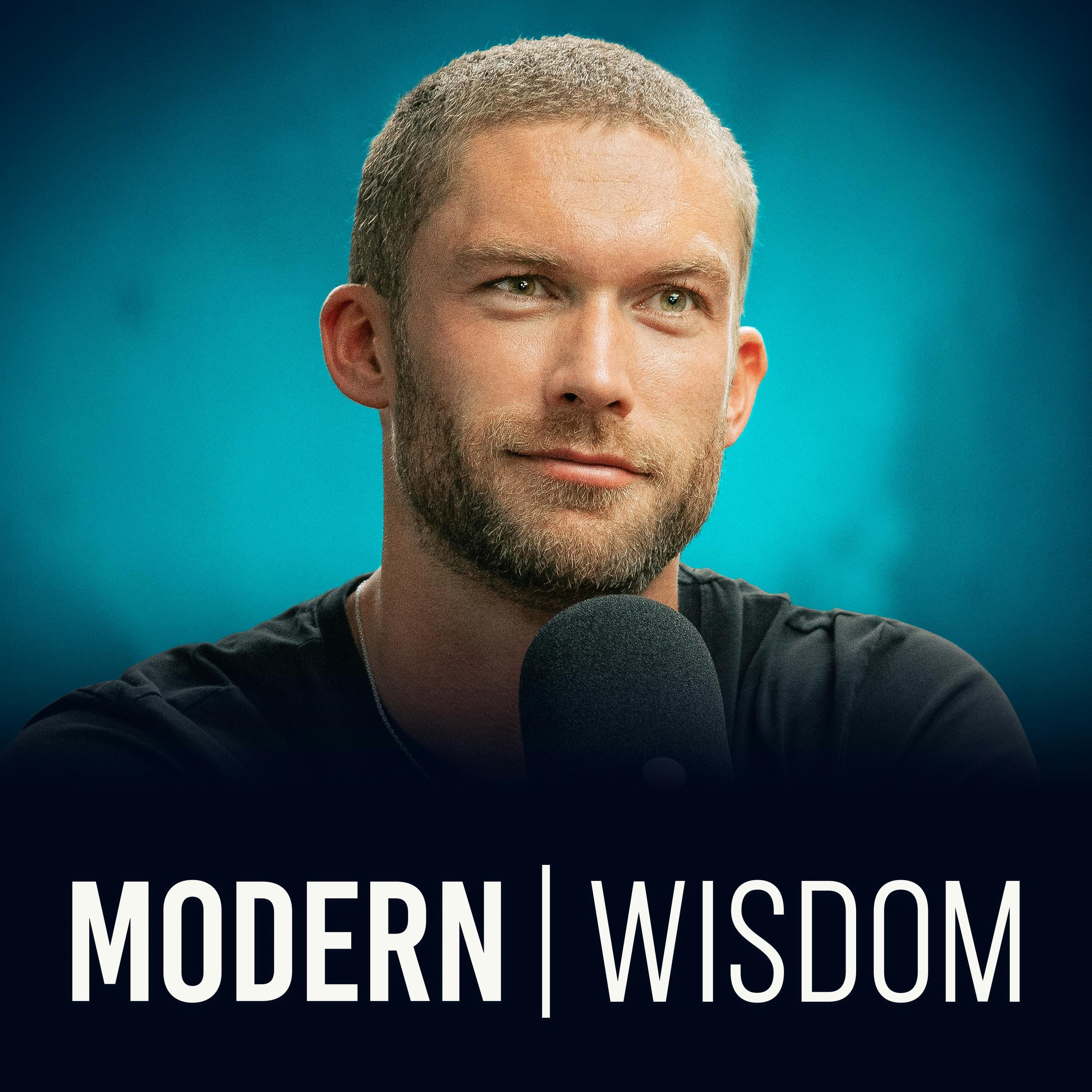
#1030 - Brett Cooper - Inside the Conservative Civil War
Timestamps are as accurate as they can be but may be slightly off. We encourage you to listen to the full context.
Podcast Summary
Political commentator and YouTuber Brett Cooper joins Modern Wisdom to dissect the current fracturing within the conservative movement and explore the broader implications for American politics. Cooper, who recently became a mother and left The Daily Wire to start her own independent show, provides unique insights into the generational shifts happening within conservatism. (00:00)
- Main themes: The discussion centers on the conservative civil war, the challenges facing Gen Z voters, Trump's performance evaluation, the cultural shifts around family and relationships, and how personal experiences like motherhood reshape political perspectives.
Speakers
Brett Cooper
Brett Cooper is a political commentator, actor, and YouTuber who recently launched her own independent media venture after departing from The Daily Wire. She has built a significant following discussing conservative politics and cultural issues, particularly focusing on Gen Z perspectives. Cooper recently became a mother and has been navigating the transition to independent content creation while balancing new parenthood.
Chris Williamson
Chris Williamson is the host of the Modern Wisdom podcast, one of the most popular interview shows focusing on psychology, philosophy, and performance. He regularly interviews thought leaders, academics, and cultural commentators to explore ideas that help people understand themselves and the world better.
Key Takeaways
The Conservative Movement Is Fracturing Into Distinct Factions
Cooper identifies four main conservative groups currently at odds: establishment neocons, younger pro-Israel conservatives, anti-Israel far-right figures, and moderate voices trying to unify the movement. (08:23) The fracturing began after achieving power in 2024, as groups shifted from unified opposition to internal competition for ideological direction. This mirrors historical patterns where in-groups fragment once they gain power, as mutual distaste for opponents no longer binds them together. The irony is that conservatives who once criticized the left for purity tests and cancel culture are now demanding similar ideological conformity from their own side.
Economic Anxiety Trumps Cultural War Issues for Young Voters
Despite conservative electoral success, young people remain frustrated by housing costs, student debt, and limited economic prospects. (13:13) Cooper notes that the average age for first-time home buyers is now over 40, creating deep pessimism among Gen Z. This economic reality explains why a socialist candidate like Mamdani won in New York - he promised free housing and groceries to voters struggling with basic affordability. Young people increasingly care more about "owning a house than owning the libs," suggesting successful future campaigns must prioritize economic solutions over cultural positioning.
Personality and Authenticity Drive Modern Political Success
Political success increasingly depends on entertainment value and authentic connection rather than policy expertise. (25:04) Cooper explains how both Trump and Mamdani succeeded by being comfortable, relatable entertainers who genuinely enjoyed campaigning. This shift began with Obama bringing politics into pop culture and accelerated with Trump's entertainment background. Voters respond to candidates who seem genuine and accessible, while traditional "stiff" politicians struggle to connect. This trend suggests future political success requires mastering personal branding and authentic communication rather than just policy knowledge.
The Immigration Debate Reveals Messaging Challenges for Conservatives
The H1-B visa controversy highlights how conservative messaging can alienate the very voters they claim to represent. (48:37) When Trump declared Americans lack necessary talent and need imported workers, it felt like a betrayal to young Americans struggling to find employment despite following traditional paths through education. Cooper argues this sends the wrong message to people who "did everything right" but still can't find work. Effective conservative politics must balance legitimate skill needs with protecting American workers' dignity and prospects.
Motherhood Provides Clarity on Life's True Priorities
Becoming a mother fundamentally shifted Cooper's perspective on what matters in life and work. (86:16) She describes how having a child made other concerns feel less significant while simultaneously fueling her passion for creating a better world for the next generation. This experience challenged her previous hyper-independence and forced her to accept vulnerability and dependence on others. The transition required surrendering the feminist messaging that "you can have it all at once" and recognizing that meaningful choices require trade-offs and prioritization.
Statistics & Facts
- The average age of first-time home buyers is now over 40 years old, the highest it's ever been, while repeat home buyers average 61 years old. (13:31) Cooper cites this as evidence of the affordability crisis facing young Americans who feel they'll never achieve homeownership.
- The majority of recent hires in the last couple of years were DEI hires, according to statistics Cooper references. (14:25) This particularly impacts young white men who are struggling to find employment despite doing "everything right" educationally.
- The average American adult is obese, divorced, and has less than $1,000 in the bank. (19:55) Cooper and Williamson use this to illustrate how low the bar actually is for achieving above-average life outcomes.



